Mesa Posta is a film that lives off the violence of a life, which is shown in the simplicity of the gestures of the person who plays it. The habits, beliefs and moments of this story are told in the act of setting the table, then the brutality of life is confronted by the beauty and the grace of the objects that make it: the table is set as life is told.
Related Movies

Sisters! (2011)
Sisters! follows the work of Southall Black Sisters (SBS). It foregrounds the ongoing activism of the organisation and the daily challenges faced when fighting for social and political change.

Almerinda, Uma Mulher de Trinta (1991)
Rescue of the life story of feminist activist from the 1930s, Almerinda Farias Gama, participant in the struggle for the right to vote for women in the 1934 Constitution, and activist of the Brazilian Federation for Female Progress, together with Bertha Lutz.
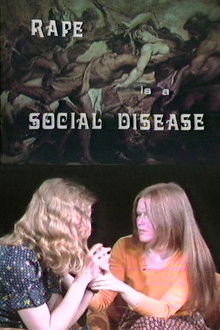
Rape Is A Social Disease (1975)
A presentation of the historical process of rape, followed by a more recent approach of current studies that reinforce ÒRape Reliefs own statistics.
Miss Davison's Funeral (1913)
The funeral procession of suffragette Emily Davison - fatally injured at the Epsom Derby - passes through London to her final resting place in Morpeth.
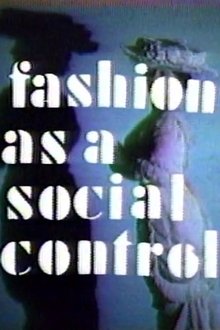
Fashion As A Social Control (1976)
A look at the ways fashion has been used to socially control women in Canada, both historically and in the 20th century.
The Women's Suffrage Movement In Canada (1975)
Moira Mulholland narrates the history of (European) women's rights through images, interviews, and performances focusing in on the Women's Suffrage Movement in Canada.
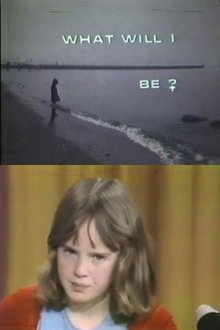
What Will I Be? (1975)
Vancouver s two leading authorities on sexism in the school system, Linfa Shuto and Reua Dexter, relate their opinions on the problem and some solutions that they are working on. The tape also includes a short historical look at women s position in education and a critical discussion on sex stereotype roles by Grade 6 students.

Pornography: A Respectable Lie (1980)
A video essay using images and interviews to critically explore the history and current role of pornography.
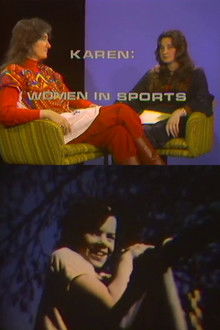
Karen: Women In Sports (1977)
Guest speakers from "Women In Motion" Conference, Vancouver, B.C. 1975.
Men's Madness - The Myth of Male Reason (1991)
Provocative, feminist critique of man’s technological progress.
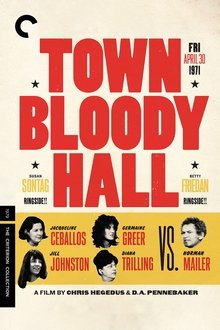
Town Bloody Hall (1979)
Norman Mailer and a panel of feminists — Jacqueline Ceballos, Germaine Greer, Jill Johnston, and Diana Trilling — debate the issue of Women's Liberation.
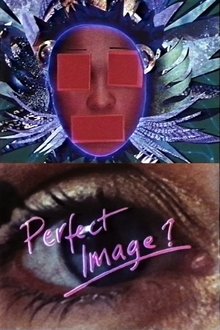
Perfect Image? (1989)
Two actresses take us through a series of 'raps' and sketches about what it means to be beautiful and black.
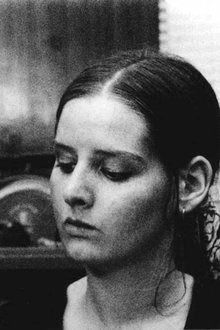
A Film for Discussion (1973)
A docu-drama shot in 1970, but not completed until 1973, the film sought to encapsulate in an experimental form issues that were under discussion within the Women’s Liberation Movement at this time and to thus contribute to action for change. In its numerous community screenings, active debate was encouraged as part of the viewing experience.
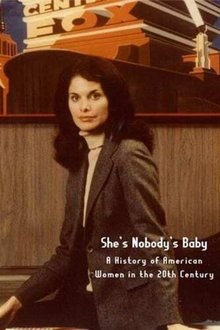
She's Nobody's Baby: American Women in the 20th Century (1981)
This documentary goes back to the turn of the century to show how women shaped the nation’s history.
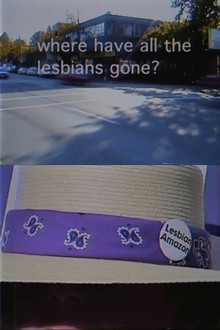
Where Have All the Lesbians Gone? (2000)
A bunch of Vancouver dykes take hand held hi8 to new heights. In this improvisational short, which offers a wake up call to political complacency. Short on plot, big on subtext. Amidst comic moments these intrepid lesbians go searching for political dykes. What else can you do when the lesbian centre becomes a tattooparlour?
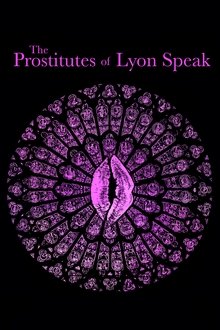
The Prostitutes of Lyon Speak (1975)
Documentary about the Lyon sex workers who occupied the church of St. Nizier on June 3, 1975.
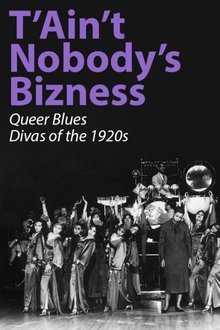
T'Ain't Nobody's Bizness: Queer Blues Divas of the 1920s (2013)
The 1920s saw a revolution in technology, the advent of the recording industry, that created the first class of African-American women to sing their way to fame and fortune. Blues divas such as Bessie Smith, Ma Rainey, and Alberta Hunter created and promoted a working-class vision of blues life that provided an alternative to the Victorian gentility of middle-class manners. In their lives and music, blues women presented themselves as strong, independent women who lived hard lives and were unapologetic about their unconventional choices in clothes, recreational activities, and bed partners. Blues singers disseminated a Black feminism that celebrated emotional resilience and sexual pleasure, no matter the source.
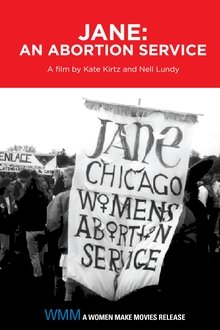
Jane: An Abortion Service (1995)
This fascinating political look at a little-known chapter in women's history tells the story of "Jane", the Chicago-based women's health group who performed nearly 12,000 safe illegal abortions between 1969 and 1973 with no formal medical training. As Jane members describe finding feminism and clients describe finding Jane, archival footage and recreations mingle to depict how the repression of the early sixties and social movements of the late sixties influenced this unique group. Both vital knowledge and meditation on the process of empowerment, Jane: An Abortion Service showcases the importance of preserving women's knowledge in the face of revisionist history. JANE: AN ABORTION SERVICE was funded by the Independent Television Service (ITVS) with funds provided by the Corporation for Public Broadcasting.
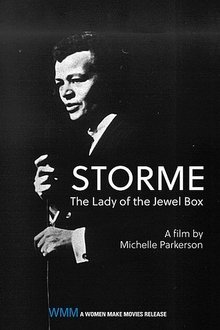
Stormé: Lady of the Jewel Box (1991)
“It ain’t easy…being green” is the favorite expression of Stormé DeLarverie, a woman whose life flouted prescriptions of gender and race. During the 1950s and '60s she toured the black theater circuit as a mistress of ceremonies and the sole male impersonator of the legendary Jewel Box Revue, America’s first integrated female impersonation show and forerunner of La Cage aux Folles.