A nuanced portrait of a new generation, Dear Thirteen is a cinematic time capsule of coming of age in today’s world. Through the eyes of nine thirteen-year-olds, we see how pressing social, geographical and political challenges are shaping, and being shaped by, young people: rising anti-Semitism in Europe, guns in America, gender identity and racial divisions across Australia and Asia. With no adult commentary outside the filmmaker, Dear Thirteen offers an intimate view into the universal uncertainty inherent in growing up.
Related Movies
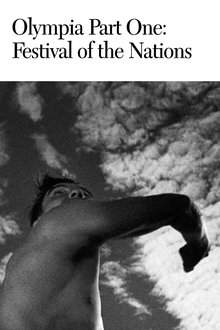
Olympia Part One: Festival of the Nations (1938)
Starting with a long and lyrical overture, evoking the origins of the Olympic Games in ancient Greece, Riefenstahl covers twenty-one athletic events in the first half of this two-part love letter to the human body and spirit, culminating with the marathon, where Jesse Owens became the first track and field athlete to win four gold medals in a single Olympics.
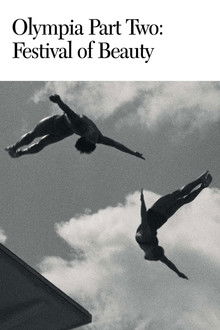
Olympia Part Two: Festival of Beauty (1938)
Part two of Leni Riefenstahl's monumental examination of the 1938 Olympic Games, the cameras leave the main stadium and venture into the many halls and fields deployed for such sports as fencing, polo, cycling, and the modern pentathlon, which was won by American Glenn Morris.

Romeo & Julius (2009)
A young group of actors are preparing an updated version of Shakespeare's ROMEO & JULIET. Two boys perform the central roles - both of them struggling with their own questions of love alongside their roles on stage. And as rehearsals begin, reality soon starts to interfere with the play.

Plains: Testimony of an Ethnocide (1971)
A documentary on the massacre of Planas in the Colombian east plains in 1970. An Indigenous community formed a cooperative to defend their rights from settlers and colonists, but the government organized a military operation to protect the latter and foreign companies.
Mighty Ground (2017)
A gifted singer, struggling with addiction on the streets of Skid Row, sets out on a journey to transform his life.
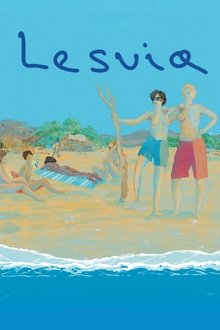
Lesvia (2025)
Since the 1970s, lesbians from around the world have been drawn to the island of Lesvos, the birthplace of the ancient Greek poet Sappho. When they find paradise in a local village and carve out their own queer lesbian community, tensions simmer with the local residents. With both groups claiming ownership of lesbian identity, filmmaker Tzeli Hadjidimitriou—a native and lesbian herself—is caught in the middle and chronicles 40+ years of love, community, conflict, and what it means to feel accepted.
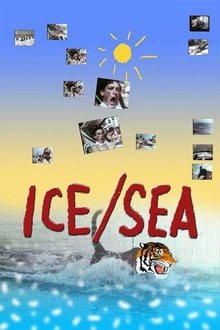
Ice/Sea (2005)
Funny collage of sea, sun and ice. A show from the beach with skiers, tigers, mermaids and much more.
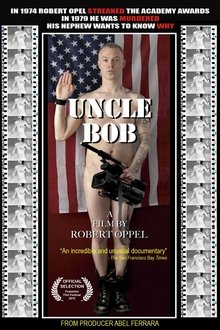
Uncle Bob (2010)
Robert Oppel's documentary about the life and murder of his uncle and namesake, Robert Opel, the man who streaked the Academy Awards in 1974.
Guitar (1988)
A vibrant kaleidoscopic tribute to the guitar that meshes dance, mime, visual art, and virtuoso performances to create a spectacular yet intimate celebration of the instrument. For one exciting week the city of Toronto plays host to the International Guitar Festival. The streets echo with the sounds of the instrument as the great masters from every tradition gather to play for each other -- John Williams from England, Leo Brouwer from Cuba (classical), Turibio Santos from Brazil (folk), Vladimir Mikulka from Czechoslovakia (avant-garde), Rik Emmett and Kim Mitchell from Canada, Steve Morse from the USA (rock).

Falas de Orgulho (2021)
The journey of eight characters of different ages, regions, life trajectories and religions – and behind them, stories of overcoming difficulties, prejudice and self-acceptance, passing through themes transversal to the letters that form the acronym LGBTQIA+ – that culminate in the celebration of being able to be who you are and in the exaltation of these voices.
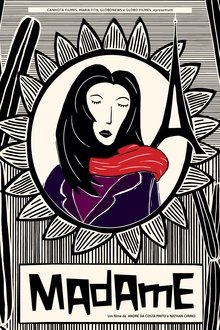
Madame (2019)
The documentary tells the story of Camille Cabral, Northeastern woman, transsexual, first Brazilian elected in France.

LGBTs no regime militar (2018)
In 1980, the first march of gays, lesbians and transvestites took place in Brazil in protest against the constant police operations that took place in São Paulo, which aimed to repress these groups. Based on Renan Quinalha's doctoral thesis, “Against morality and good customs: the sexual politics of the Brazilian dictatorship (1964-1988)”, carried out by the Institute of International Relations, a series of four 5 minute videos about the birth of the LGBT movement during the Military Regime.
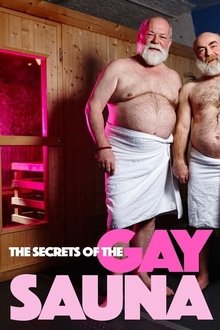
Secrets of the Gay Sauna (2016)
Gay saunas are places where men meet strangers to have sex. With exclusive access to one Nottingham business, this candid one-off documentary enters the often controversial and always secretive world of the gay sauna for the very first time. The programme meets the people who go there for sexual pleasure - from teachers to plumbers to Tory councillors - and the staff who clean up after them.
Uranium Drive-In (2013)
A new uranium mill -- the first in the U.S. in 30 years -- would re-connect the economically devastated rural mining community of Naturita, Colorado, to its proud history supplying the material for the first atomic bomb. Some view it as a greener energy source freeing America from its dependence on foreign oil, while others worry about the severe health and environmental consequences of the last uranium boom.

How to Cook Your Life (2007)
A Zen priest in San Francisco and cookbook author use Zen Buddhism and cooking to relate to everyday life.

Daddy I Do (2010)
The Purity Ball symbolizes a father's protection over his daughter's virginity, but how does this reflect in the choices she makes, understanding her sexuality, and knowing her worth as a woman? This documentary examines the effects of Abstinence-Only Programs versus Comprehensive Sex Education in schools and what society can do to help lower teen pregnancies, abortions, and STDS, as well as poverty and sexual abuse.
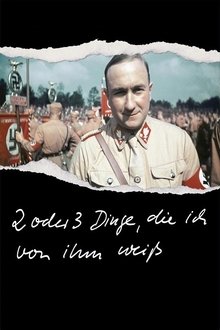
2 or 3 Things I Know About Him (2005)
What would your family reminiscences about dad sound like if he had been an early supporter of Hitler’s, a leader of the notorious SA and the Third Reich’s minister in charge of Slovakia, including its Final Solution? Executed as a war criminal in 1947, Hanns Ludin left behind a grieving widow and six young children, the youngest of whom became a filmmaker. It's a fascinating, maddening, sometimes even humorous look at what the director calls "a typical German story." (Film Forum)
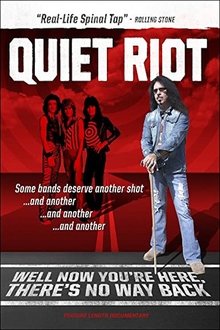
Quiet Riot: Well Now You're Here, There's No Way Back (2014)
An inspiring documentary chronicling the rise, fall and resurrection of '80s metal band Quiet Riot. The career of Frankie Banali, the band's drummer, reached a serious crossroads when his best friend and bandmate died in 2007. Years later, Banali realizes he must forge ahead and make a new life for himself and his daughter and he goes on a quest to reunite the band and fill the immense void left by his bandmate.