An inside look at Jessica Piper, a Democratic Candidate running for a House seat in District 1 of Missouri. This is a snapshot of her mind and what it feels like to run a campaign in an overlooked place.
Related Movies
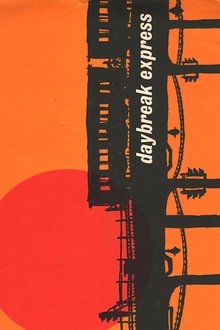
Daybreak Express (1957)
Set to a classic Duke Ellington recording "Daybreak Express", this is a five-minute short of the soon-to-be-demolished Third Avenue elevated subway station in New York City.
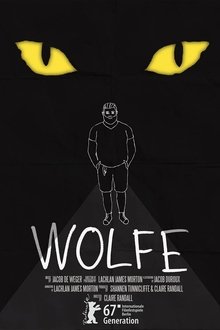
Wolfe (2016)
"Wolfe" is an intimate confessional from Nick, who learned through puberty that the imaginary friend in his head was real, and violent.

The Great Yiddish Love (2002)
Set in Berlin and New York's Lower East Side, The Great Yiddish Love stars the self-exiled Marlene Dietrich and her Nazi-endorsed replacement, Zarah Leander. It is a melodrama of love, emigration, and betrayal reassembled from Hollywood, German Ufa and Yiddish films from the 1930s and 40s.

Lerchenlieder (1981)
Documentary about the special friendship between the 72-year-old music machine collector Johann Bartisch and the 12-year-old farm boy Gerd from the village of Arnsgereuth. As a child, the Romanian Johann played "O sole mio" on the piano while his brother accompanied him on the violin. Even then, he was fascinated by the music machines that could be found at fairgrounds, in cinemas and on trains. As an adult, Johann began his passion for collecting in Bucharest, rescuing self-playing instruments from barns, cellars or even garbage dumps. With great attention to detail, Johann restores his found treasures in his 250-year-old schoolhouse in the village of Arnsgereuth.
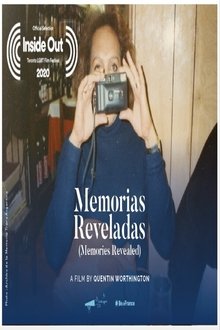
Memories Revealed (2019)
Over the course of 10 months, a camera travels to Buenos Aires, Argentina and Hanover, Germany to meet with Magalí, María Belén, Ivana and Carla, the founding members of the Archivo De La Memoria Trans Argentina, the first existing Trans Archive in the world. Taking the shape of a photo-novel, the documentary not only recounts the founding members lives as trans women under the Argentine dictatorship (1976-1983), the AIDS epidemy, state repression and mass assassinations but also years of fighting for their rights, sorority and the exaltation of life and laughter in times of death. Filming each one of them is filming them embracing their new role as curators, archivists and historians while a collection of 7,000 photos goes through the filter of their memories.
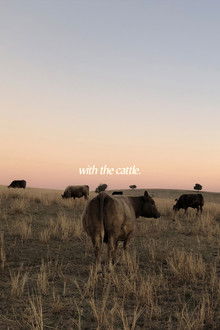
With the Cattle (2021)
A ruminative film on the interplay between bovine lives and human consumption. Minimalist in camerawork and composition yet expansive in impact, With the Cattle poignantly brings viewers up close and personal to the tranquillity – and ephemerality – of life for farm cows.
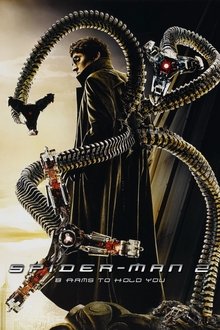
8 Arms to Hold You (2004)
An "Ock-umentary" exploring the character of Doc Ock and the way he as well as his tentacles were brought to life on the silver screen.

Mahdi Amel in Gaza: On the Colonial Mode of Production (2024)
Assassinated Lebanese intellectual Mahdi Amel — often dubbed “the Arab Gramsci” — famously said: “He who resists is never defeated.” What use is his thought to us today, and what is our responsibility as image makers to Gaza?
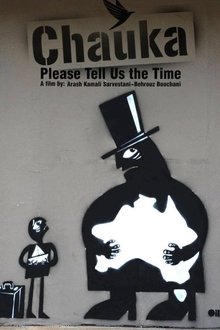
Chauka, Please Tell Us The Time (2017)
An urgent and powerful documentary, shot in a detention centre where asylum seekers trying to reach Australian shores are indefinitely detained. Secretly shot on a mobile phone by Iranian journalist Behrouz Boochani while detained on Manus, in Papua New Guinea, the film is a collaboration with Dutch-Iranian filmmaker Arash Kamali Sarvestani. Boochani recounts, via the testimonies of fellow inmates, the abuse and violence inflicted and the precarious state of limbo they find themselves in. Chauka, the name of the dreaded solitary confinement unit within the detention centre, was originally the name of a beautiful bird and symbol of the Manus Island. By interweaving dialogue with two Manusian men and shots of daily life on the island, the film gives a much-needed voice to Manus inhabitants, understandably distressed by the current situation. With marked restraint, the film exposes lives broken by shocking immigration policies.
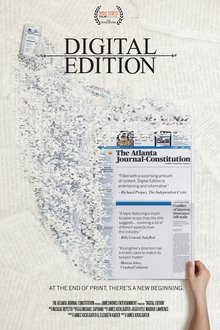
Digital Edition (2016)
In the midst of a publishing revolution, The Atlanta Journal-Constitution, one of America's most storied institutions of journalism, is experimenting with new tools to tell stories in preparation for the end of print in the digital era.
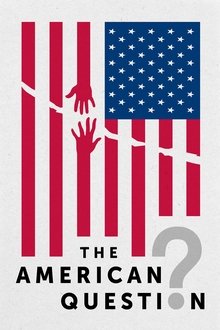
The American Question (2024)
An 8-year journey into divided America, The American Question examines the insidious roots of polarization and distrust through past the past and present, revealing how communities can restore trust in each other to unite our country.
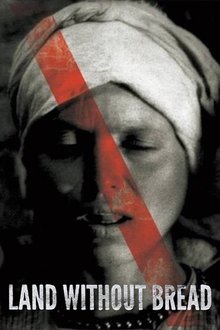
Land Without Bread (1933)
An exploration —manipulated and staged— of life in Las Hurdes, in the province of Cáceres, in Extremadura, Spain, as it was in 1932. Insalubrity, misery and lack of opportunities provoke the emigration of young people and the solitude of those who remain in the desolation of one of the poorest and least developed Spanish regions at that time.

Captain Blood: A Swashbuckler Is Born (2005)
This documentary is featured on the DVD for Captain Blood (1935), released in 2005.
Chaplin Today: City Lights (2003)
In 1928, as the talkies threw the film industry and film language into turmoil, Chaplin decided that his Tramp character would not be heard. City Lights would not be a talking picture, but it would have a soundtrack. Chaplin personally composed a musical score and sound effects for the picture. With Peter Lord, the famous co-creator of Chicken Run and Wallace & Gromit, we see how Chaplin became the king of slapstick comedy and the superstar of the movies.
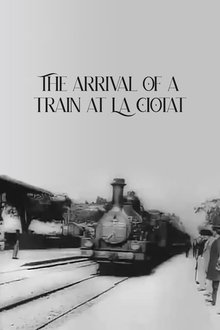
The Arrival of a Train at La Ciotat (1896)
A group of people are standing along the platform of a railway station in La Ciotat, waiting for a train. One is seen coming, at some distance, and eventually stops at the platform. Doors of the railway-cars open and attendants help passengers off and on. Popular legend has it that, when this film was shown, the first-night audience fled the café in terror, fearing being run over by the "approaching" train. This legend has since been identified as promotional embellishment, though there is evidence to suggest that people were astounded at the capabilities of the Lumières' cinématographe.
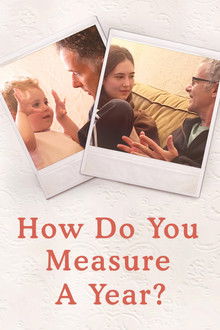
How Do You Measure a Year? (2021)
For 17 years, filmmaker Jay Rosenblatt filmed his daughter Ella on her birthday in the same spot, asking her the same questions. In just 29 minutes, we watch her grow from a toddler to a young woman with all the beautiful and sometimes awkward stages in between. Each phase is captured fleetingly but makes an indelible mark. Her responses to her father’s questions are just a backdrop for a deeper story of parental love, acceptance, and ultimately, independence.

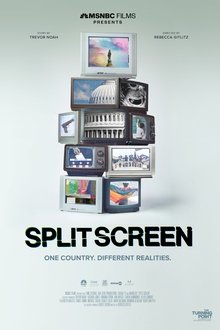
Split Screen (2022)
The story of January 6, 2021, where approximately 2000 people stormed the US Capitol to stop the certification of the Electoral College Votes, killing some and leaving over 140 injured. A firestorm of angst, anger, violence and confusion.

Prime Farmland (2020)
This documentary film follows farmers and activists fighting together to stop the Indiana Enterprise Center, a mega-sized industrial park planned west of South Bend, Indiana
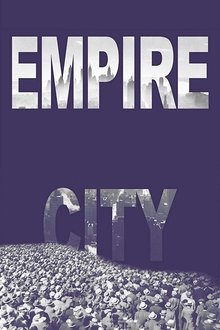
Empire City (1985)
A film essay contrasting the modern metropolis with its "golden age" from 1830-1930, with the participation of some of New York's leading political and cultural figures. Made at a time when the city was experiencing unprecedented real estate development on the one hand and unforeseen displacement of population and deterioration on the other. Empire City is the story of two New Yorks. The film explores the precarious coexistence of the service-based midtown Manhattan corporate headquarters with the peripheral New York of undereducated minorities living in increasing alienation.