The film is part of Eye Filmmuseum’s Mutoscope and Biograph Collection. This collection consists of about 200 films preserved on their original 68 mm format. The digital file provided is scanned in 2022 at Eye Collection Center, from the 35 mm duplicate negative that was made in 1998. After the first analogue preservation round made 25 years ago, Eye is now undertaking the digital restoration of the Mutoscope & Biograph Collection. “Mardi Gras Carnival” became the focus of attention, thanks to its inclusion within ‘The Artistry of REX’ exhibition, that opened in the summer of 2022 at the Louisiana State Museum.
Related Movies
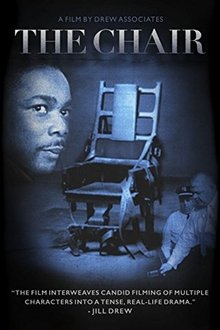
The Chair (1963)
Follows a crusading lawyer as he embarks on a campaign to save an African-American man, Paul Crump, from the electric chair. Preserved by the Academy Film Archive in partnership with The Film Foundation in 2007.
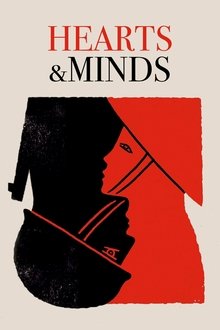
Hearts and Minds (1974)
Many times during his presidency, Lyndon B. Johnson said that ultimate victory in the Vietnam War depended upon the U.S. military winning the "hearts and minds" of the Vietnamese people. Filmmaker Peter Davis uses Johnson's phrase in an ironic context in this anti-war documentary, filmed and released while the Vietnam War was still under way, juxtaposing interviews with military figures like U.S. Army Chief of Staff William C. Westmoreland with shocking scenes of violence and brutality.
I Don't Know (1971)
A truly major work, I Don’t Know observes the relationship between a lesbian and a transgender person who prefers to be identified somewhere in between male and female, in an expression of personal ambiguity suggested by the film’s title. This nonfiction film – an unusual, partly staged work of semi-verité – is the first of Spheeris’s films to fully embrace what would become her characteristic documentary style: probing, intimate, uncompromising. Preserved by the Academy Film Archive in 2014.
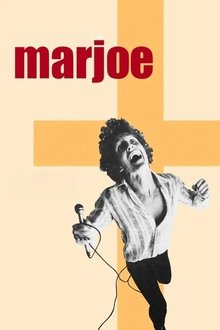
Marjoe (1972)
Part documentary, part expose, this film follows one-time child evangelist Marjoe Gortner on the "church tent" Revivalist circuit, commenting on the showmanship of Evangelism and "the religion business", prior to the start of "televangelism". Preserved by the Academy Film Archive in 2005.
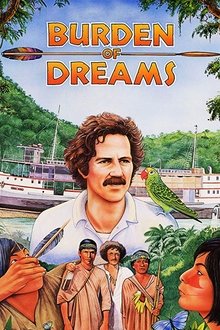
Burden of Dreams (1982)
The Amazon rain forest, 1979. The crew of Fitzcarraldo (1982), a film directed by German director Werner Herzog, soon finds itself with problems related to casting, tribal struggles and accidents, among many other setbacks; but nothing compared to dragging a huge steamboat up a mountain, while Herzog embraces the path of a certain madness to make his vision come true.

Metroliner (1975)
Experimental documentary using a train journey between New York City and Washington, D.C. as the framework for an exploration of American history. Preserved by the Academy Film Archive in 2015.
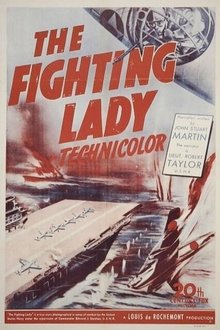
The Fighting Lady (1944)
Oscar winner William Wyler directed this 1944 "newsdrama," narrated by Lieut. Robert Taylor, USNR (Bataan), and photographed in zones of combat by the U.S. Navy. The film follows one of the many new aircraft carriers built since Pearl Harbor, known as THE FIGHTING LADY in honor of all American carriers, as it goes into action against the Japanese in the Pacific Ocean in 1943. See the ship and its pilots undergo their baptism of fire, attacking the Japanese base on Marcus Island. Preserved by the Academy Film Archive in partnership with The Film Foundation.
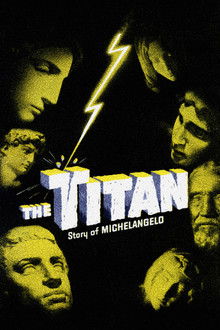
The Titan: Story of Michelangelo (1938)
The life and works of the great artist Michelangelo Buonarroti are shown against the historical background of his time. It begins with his earliest artworks, and follows his life and career as he achieves lasting fame. The documentary includes detailed looks at some of the artist's most renowned creations. In 1950 the film was re-edited and new footage shot by Robert J. Flaherty. Preserved by the Academy Film Archive in 2005.
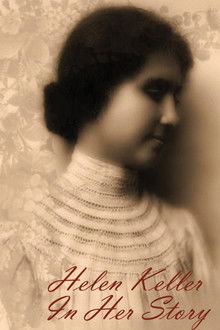
The Unconquered (1954)
Narrated by actress Katharine Cornell and filmed in black and white, it spends the first 24 minutes introducing viewers, through newsreels, interviews, and old photographs, to the story of the deaf and blind disabled-rights pioneer. News footage shows her international appearances and visits with heads of state, including President Eisenhower allowing her to feel his face. The second half takes a day-in-the-(exceptional)-life approach to Keller's existence circa 1955. Made just 13 years before her death, Keller's famed tutor-translator-friend Anne Sullivan had already died, leaving her live-in replacement, Polly Thomson, to share the film's focus. From the time Keller takes her morning walk along the 1,000-foot handrail around her yard through her workday to her nightly reading of her Braille Bible, her serene acceptance of her life will amaze and inspire. Preserved by the Academy Film Archive in 2006.
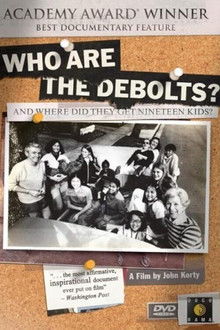
Who Are the DeBolts? And Where Did They Get Nineteen Kids? (1977)
Who Are the DeBolts? And Where Did They Get Nineteen Kids? is a 1977 documentary film about Dorothy and Bob DeBolt, an American couple who adopted 14 children [12 at the start of filming], some of whom are severely disabled war orphans -- in addition to raising Dorothy's five biological children and Bob's biological daughter. The film won an Academy Award for Best Documentary in 1978. Preserved by the Academy Film Archive in 2007.
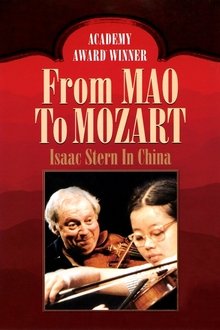
From Mao to Mozart: Isaac Stern in China (1981)
A beautiful expression of two differing cultures brought together by the warmth and dedication of a great musician and humanitarian. In 1979, as China re-opened its doors to the West, virtuoso Isaac Stern received an unprecedented government invitation to tour the country. Preserved by the Academy Film Archive in 2000.
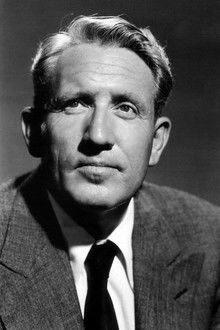
Ring of Steel (1942)
Documentary short detailing the American soldier's part in preserving the fundamental ideals of this nation. Preserved by the Academy Film Archive in 2012.

Christopher Tree (1967)
This film, photographed and edited by Les Blank, produced and directed by Pieter Van Deusen, documents a spontaneously improvised concert by musician Christopher Tree. With his one-man orchestra, including 40 Tibetan temple gongs, flutes, tympani and wind chimes, Christopher Tree whirls and weaves his sound tapestry within a pristine forest. Preserved by the Academy Film Archive in 2013.
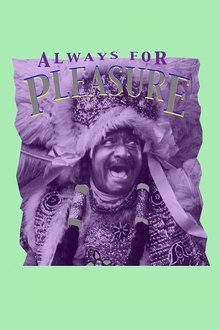
Always for Pleasure (1978)
An intense insider's portrait of New Orleans' street celebrations and unique cultural gumbo: Second-line parades, Mardi Gras, Jazz Fest. Features live music from Professor Longhair, the Wild Tchoupitoulas, the Neville Brothers and more. This glorious, soul-satisfying film is among Blank's special masterworks. Preserved by the Academy Film Archive in 1999.
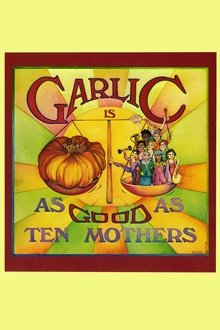
Garlic Is as Good as Ten Mothers (1980)
A zesty paean of praise to the greater glories of garlic. This lip-smacking foray into the history, consumption, cultivation and culinary/curative powers of the stinking rose features chef Alice Waters of Chez Panisse, and a flavorful musical soundtrack. Preserved by the Academy Film Archive in 1999.
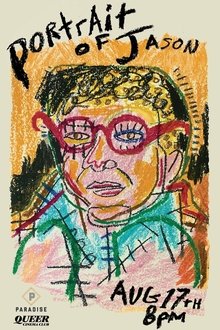
Portrait of Jason (1967)
Interview with Jason Holliday aka Aaron Payne. House-boy, would-be cabaret performer, and self-proclaimed hustler giving one man's gin-soaked, pill-popped view of what it was like to be black and gay in 1960s United States. Preserved by the Academy Film Archive in partnership with Milestone Films in 2013.
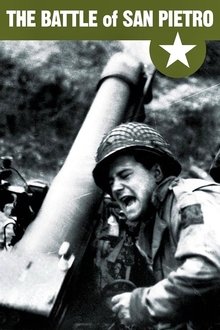
The Battle of San Pietro (1945)
This documentary movie is about the battle of San Pietro, a small village in Italy. Over 1,100 US soldiers were killed while trying to take this location, that blocked the way for the Allied forces from the Germans. Preserved by the Academy Film Archive in 2005.
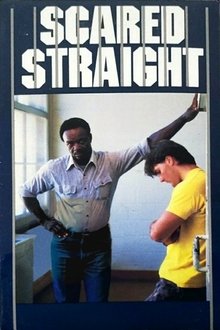
Scared Straight! (1978)
The filmed depiction of a program where convicts tell troubled kids about the horrors of prison life. Preserved by the Academy Film Archive in 2007.
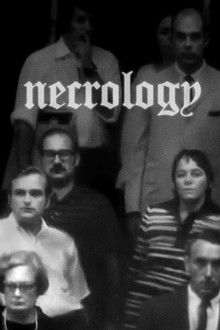
Necrology (1970)
The faces of a 5:00 PM crowd descending via the Pan Am building escalators in one continuous shot. In old-fashioned black and white, these faces stare into the empty space, in the 5:00 PM tiredness and mechanical impersonality, like faces from the grave.
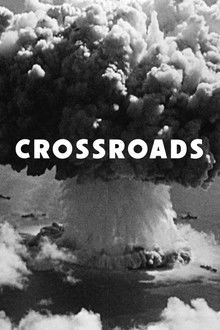
Crossroads (1976)
The 1945 atomic-bomb explosion at Bikini Atoll becomes a thing of terrible beauty and haunting visual poetry when shown in extreme slow motion, shown from 27 different angles, and accompanied by avant-garde Western classical music composed for electric organ by Terry Riley. Preserved by the Academy Film Archive in partnership with Pacific Film Archive in 1995.