America's Untold Journey: 450 Years of the African American Experience (2016)
Chronicles over four centuries of African American influence on the development of the modern-day United States. Before Plymouth Rock and Jamestown, St. Augustine, FL had built a multicultural colony of free and enslaved men and women. This small colony would eventually set the stage for the first Underground Railroad in the late 1600s. Then, 300 years later, be the epicenter of events that would lead to the passage of the Civil Rights Act of 1964.
Related Movies
Kokomo City (2023)
Four Black transgender sex workers in Atlanta and New York City break down the walls of their profession.
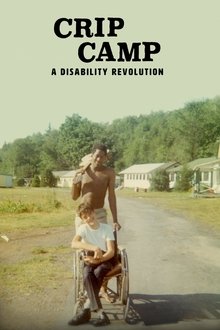
Crip Camp: A Disability Revolution (2020)
Down the road from Woodstock in the early 1970s, a revolution blossomed in a ramshackle summer camp for disabled teenagers, transforming their young lives and igniting a landmark movement.
Coded Bias (2020)
Exploring the fallout of MIT Media Lab researcher Joy Buolamwini's startling discovery that facial recognition does not see dark-skinned faces accurately, and her journey to push for the first-ever legislation in the U.S. to govern against bias in the algorithms that impact us all.
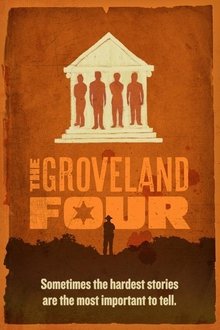
The Groveland Four (2018)
July, 1949: four young black men are wrongly accused of rape by a 17-year-old farm wife in rural Lake County, Florida. The case of “The Groveland Four” included a race riot, torture, multiple murders, two trials and a Supreme Court reversal. Though widely covered by the national press, the case has been largely forgotten... even though it helped lay a foundation for the Civil Rights Movement.
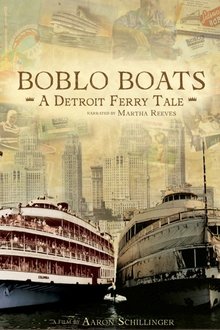
Boblo Boats: A Detroit Ferry Tale (2021)
For over 85 years, steamship Ste. Claire transported generations of Detroiters to Boblo Island, an amusement park nestled in the waters between the US and Canada. When the vessel comes under threat of ruin, a doctor, psychic and amusement park fanatic unite to save their beloved steamship from the scrapyard. Interweaving local lore and mythology, "Boblo Boats" explores the whitewashed history of amusement parks and one crew's crusade to bring back the memories.
Malcolm X: Make It Plain (1994)
Narrated by actress Alfre Woodard, this trenchant, eye-opening doc traces the radical civil rights leader’s life from his tumultuous childhood, through his rise in the ranks of the Nation of Islam, to his 1965 assassination.
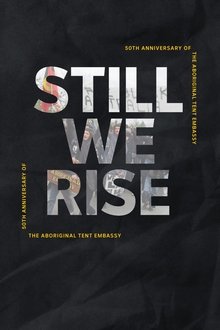
Still We Rise (2022)
50 years on, the Aboriginal Tent Embassy is the oldest continuing protest occupation site in the world. Taking a fresh lens this is a bold dive into a year of protest and revolutionary change for First Nations people.

Stories of A (1974)
French documentary campaigning for the liberalization of abortion and contraception, directed by Charles Belmont and Marielle Issartel in 1973.
Indian Rights for Indian Women (2018)
Three intrepid women battle for Indigenous women's treaty rights.
A Letter to Claudette Colvin (2017)
A short film entitled "A Letter To Claudette Colvin", written and directed by Victoria Wilson bringing awareness to Colvin's involvement in the Montgomery Bus Boycott which ignited due to her refusal on March 2, 1955.

The Secret of Selling the Negro (1954)
Film commissioned by the Chicago-based publisher of Negro Digest, Ebony, Tan, and Jet to encourage advertisers to reach out to African American consumers. The Secret of Selling the Negro depicts the lives, activities, and consumer behavior of African American professionals, students, and housewives. A Business Screen reviewer noted that the film focused on the “bright positive” aspects of the “new Negro family.” The sponsor issued a companion booklet offering the “do’s and don’ts of selling to the Negro.”
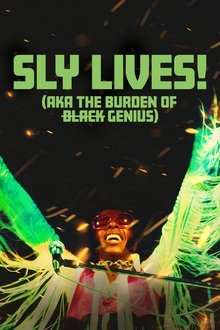
SLY LIVES! (aka The Burden of Black Genius) (2025)
An examination of the life and legacy of Sly & The Family Stone – the groundbreaking band led by the charismatic Sly Stone – that captures the band's reign while shedding light on the burden that comes with success for Black artists in America.

Steal This Film (2006)
Steal This Film focuses on Pirate Bay founders Gottfrid Svartholm, Fredrik Neij and Peter Sunde, prominent members of the Swedish filesharing community. The makers claimed that 'Old Media' documentary crews couldn't understand the internet culture that filesharers took part in, and that they saw peer-to-peer organization as a threat to their livelihoods. Because of that, they were determined to accurately represent the filesharing community from within. Notably, Steal This Film was released and distributed, free of charge, through the same filesharing networks that the film documents.
But... Seriously (1994)
A documentary juxtaposing the events of the 20th century with the commentary of stand-up comedians.
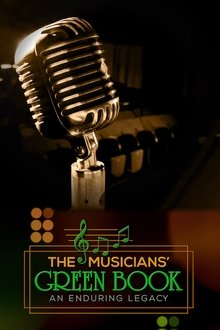
The Musicians' Green Book: An Enduring Legacy (2022)
Stories and music of Black artists who relied on an underground travel guide to navigate the injustices of racial segregation while on the road. The Negro Travelers’ Green Book was a directory of lodgings, restaurants, and entertainment venues where African Americans were welcomed. Features performances and interviews with vocalists, musicians, activists, historians, and others.
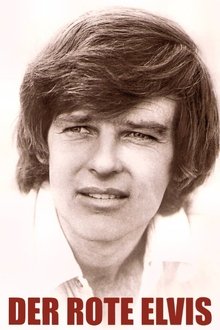
The Red Elvis (2007)
A documentary on the late American entertainer Dean Reed, who became a huge star in East Germany after settling there in 1973.
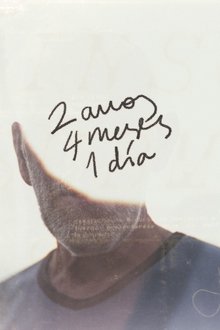
Two Years, Four Months, A Day (NaN)
With no choice, César faced leaving his family behind, quitting his job and joining the Army. In an unprecedented chain of events he became the first conscientious objector in Galicia (Spain) to be put in prison. Now, nearly thirty years later, Two Years, Four Months, A Day takes a look at what made him do it.
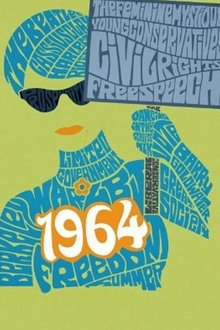
1964 (2014)
1964 was the year the Beatles came to America, Cassius Clay became Muhammad Ali, and three civil rights workers were murdered in Mississippi. It was the year when Berkeley students rose up in protest, African Americans fought back against injustice in Harlem, and Barry Goldwater’s conservative revolution took over the Republican Party. In myriad ways, 1964 was the year when Americans faced choices: between the liberalism of Lyndon Johnson or Barry Goldwater’s grassroots conservatism, between support for the civil rights movement or opposition to it, between an embrace of the emerging counterculture or a defense of traditional values.
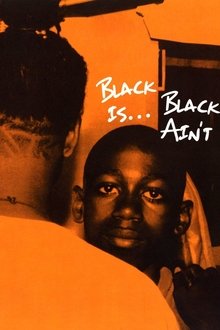
Black Is… Black Ain’t (1995)
African-American documentary filmmaker Marlon Riggs was working on this final film as he died from AIDS-related complications in 1994; he addresses the camera from his hospital bed in several scenes. The film directly addresses sexism and homophobia within the black community, with snippets of misogynistic and anti-gay slurs from popular hip-hop songs juxtaposed with interviews with African-American intellectuals and political theorists, including Cornel West, bell hooks and Angela Davis.