Over one thousand people have been charged with storming the United States Capitol on January 6, 2021, as part of a widely televised insurrection attempt. Approximately 15% of them worked as police or military personnel. This staggering statistic begs an important question: how can a service member who took an oath to protect the country’s democracy do something that puts that very democracy in jeopardy?
Related Movies

If We Burn (2023)
Hundreds of thousands − perhaps even millions − of protestors have taken to the streets of Hong Kong since early June. Sparked initially by the government's plans for a controversial extradition bill, the movement has now transformed into a broader push for greater freedoms and democracy, with anger over police brutality fuelling a cycle of violence. The protests are Hong Kong's biggest challenge to Beijing since its return to China in 1997. If We Burn looks at the movement through the eyes of Hong Kongers whose fates, like their city's future, now hang in the balance.
German Souls (2010)
Rüdiger was a child, Aki two months old and Kurt, the deputy of the pedophile leader of the sect. In 1961 they came to Chile together with 500 other German sect members and for over 40 years they lived secluded from the rest of the world. The film tells about the attempt to survive as a collective after decades of crimes such as torture and murder and shows different ways in which the individual copes with the history of the community.
Bad Faith (2024)
On January 6, 2021, Americans witnessed an attack on the U.S. Capitol without precedent in our history. Armed militiamen and QAnon followers made headlines, but among them were a sea of crosses and Christian flags, rosaries and "Jesus Saves" signs. What motivated so many Christians to participate in this violent assault?

À la recherche de la jeunesse perdue (2022)
What if science could reverse the aging process? Follow the researchers as they decipher these mechanisms, with the promise of finding the elixir of youth so you can live longer, healthier lives!
The First Year (2021)
The First Year tells the inside story of Jamie Driscoll’s first 12 months as the new North of Tyne Mayor.
Lead Me Home (2021)
Poignant stories of homelessness on the West Coast of the US frame this cinematic portrait of a surging humanitarian crisis.
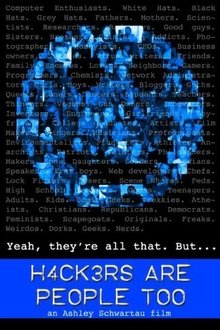
Hackers Are People Too (2008)
A portrait of the hacking community. In an effort to challenge preconceived notions and media-driven stereotypes Hackers Are People Too lets hackers speak for themselves and introduce their community to the public.

Is This Sexual Harassment? (2019)
Social experiment hosted by journalist and presenter Ben Zand in which a group of people come together to try to understand what constitutes sexual harassment.


The Dispossessed (2017)
An impressionistic journey that reveals the daily struggle of the hungry peasant class.


Street Fight (2005)
This documentary follows the 2002 mayoral campaign in Newark, New Jersey, in which a City Councilman, Cory Booker, attempted to unseat longtime mayor Sharpe James.

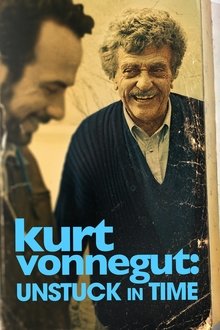
Kurt Vonnegut: Unstuck in Time (2021)
A documentary 33 years in the making. A director and friend of Kurt Vonnegut seeks through his archives to create the first film featuring the revolutionary late writer.
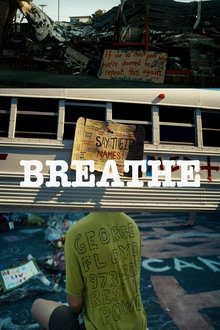
Breathe (NaN)
A documentary filmed from dusk to dawn during the 2020 George Floyd protests in Minneapolis, Minnesota.

Air Force Elite: Thunderbirds (2025)
The elite pilots of the Air Force Thunderbirds display exceptional skill, trust and courage during a high-stakes training season.

Chanson de gestes (1966)
Choreography of familiar gestures that the author was able to spice up with a peculiar and original perspective.

We Did It on a Song (2014)
This film tells the stormy tale of a group of friends from Boulogne-sur-Mer, a French town hit by the financial crisis. A year between dreams and disillusion, imagined by teenagers from a working or middle class background, with songs that regularly add poetry, laughter, and emotion to reality.

Kamala Harris, an American ambition (2023)
Known as the most liberal U.S. senator and "Border Czar," VP Kamala Harris has a long track record of policy positions; an in-depth look.
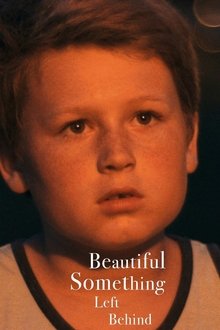
Beautiful Something Left Behind (2020)
In New Jersey, the Good Grief community focuses on a holistic way of dealing with grief, where children can give in to rage in ‘the volcano room,' and say goodbye to a dying teddy bear patient in ‘the hospital room.' Over the course of a year, we follow the weekly meetings and get close to Kimmy, Nicky, Peter, Nora, Nolan, and Mikayla and their close companion: grief. It is sometimes heartbreaking, but also humorous, to experience the questions about life and death through their open and curious minds. Grief is high and heavy as a mountain, but it helps you understand what has happened, and that death is irreversible.