A French housekeeper with a mysterious past brings quiet revolution in the form of one exquisite meal to a circle of starkly pious villagers in late 19th century Denmark.
Related Movies
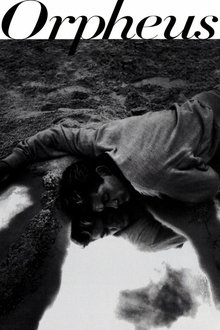
Orpheus (1950)
A famous poet in postwar Paris, scorned by the Left Bank youth, is in love with both his wife Eurydice and a mysterious princess. Seeking inspiration, the poet becomes obsessed and follows the princess from the world of the living to the land of the dead.

Sense and Sensibility (1995)
The Dashwood sisters, sensible Elinor and passionate Marianne, whose chances at marriage seem doomed by their family's sudden loss of fortune. When Henry Dashwood dies unexpectedly, his estate must pass on by law to his son from his first marriage, John and wife Fanny. But these circumstances leave Mr. Dashwood's current wife, and daughters Elinor, Marianne and Margaret, without a home and with barely enough money to live on. As Elinor and Marianne struggle to find romantic fulfillment in a society obsessed with financial and social status, they must learn to mix sense with sensibility in their dealings with both money and men.

Gods and Monsters (1998)
It's 1957, and James Whale's heyday as the director of "Frankenstein," "Bride of Frankenstein" and "The Invisible Man" is long behind him. Retired and a semi-recluse, he lives his days accompanied only by images from his past. When his dour housekeeper, Hannah, hires a handsome young gardener, the flamboyant director and simple yard man develop an unlikely friendship, which will change them forever.
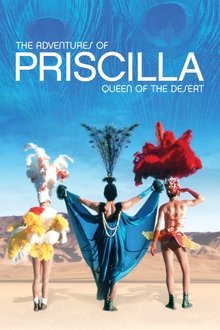
The Adventures of Priscilla, Queen of the Desert (1994)
Two drag performers and a transgender woman travel across the desert to perform their unique style of cabaret.
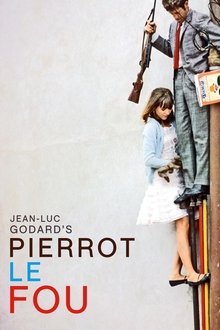
Pierrot le Fou (1965)
Pierrot escapes his boring society and travels from Paris to the Mediterranean Sea with Marianne, a girl chased by hit-men from Algeria. They lead an unorthodox life, always on the run.


As Good as It Gets (1997)
A misanthropic author, a single mother and waitress, and a gay artist form an unlikely friendship after the artist is assaulted in a robbery.

Things We Lost in the Fire (2007)
A recent widow invites her husband's troubled best friend to live with her and her two children. As he gradually turns his life around, he helps the family cope and confront their loss.

Ménage (1986)
Tenue De Soirée (1986) is a dark comedy by Bertrand Blier starring Gérard Depardieu, Michel Blanc, and Miou-Miou. Antoine and Monique, a poor couple living in a caravan, meet Bob, a charismatic burglar who leads them into a series of thefts and a troubled relationship. Bob expresses a desire for Antoine, disrupting the trio's romantic and power relationships. The film provocatively addresses themes of sexuality, cross-dressing, and power relations. A critical and popular success, it earned Michel Blanc the Best Actor Award at the 1986 Cannes Film Festival.

Last Year at Marienbad (1961)
In a strange and isolated chateau, a man becomes acquainted with a woman and insists that they have met before.

Fanny and Alexander (1982)
As children in the loving Ekdahl family, Fanny and Alexander enjoy a happy life with their parents, who run a theater company. After their father dies unexpectedly, however, the siblings end up in a joyless home when their mother, Emilie, marries a stern bishop. The bleak situation gradually grows worse as the bishop becomes more controlling, but dedicated relatives make a valiant attempt to aid Emilie, Fanny and Alexander.
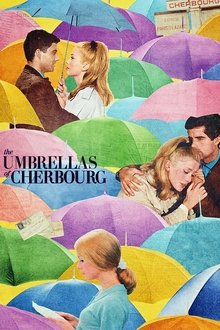
The Umbrellas of Cherbourg (1964)
This simple romantic tragedy begins in 1957. Guy Foucher, a 20-year-old French auto mechanic, has fallen in love with 17-year-old Geneviève Emery, an employee in her widowed mother's chic but financially embattled umbrella shop. On the evening before Guy is to leave for a two-year tour of combat in Algeria, he and Geneviève make love. She becomes pregnant and must choose between waiting for Guy's return or accepting an offer of marriage from a wealthy diamond merchant.
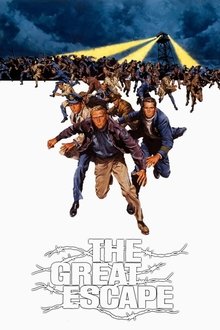
The Great Escape (1963)
The Nazis, exasperated at the number of escapes from their prison camps by a relatively small number of Allied prisoners, relocate them to a high-security 'escape-proof' camp to sit out the remainder of the war. Undaunted, the prisoners plan one of the most ambitious escape attempts of World War II. Based on a true story.

The Bitter Tears of Petra von Kant (1972)
Petra von Kant is a successful fashion designer -- arrogant, caustic, and self-satisfied. She mistreats Marlene (her secretary, maid, and co-designer). Enter Karin, a 23-year-old beauty who wants to be a model. Petra falls in love with Karin and invites her to move in.
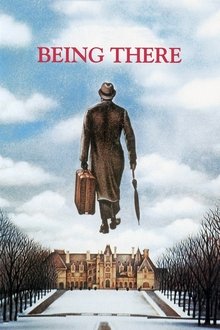
Being There (1979)
A simple-minded gardener named Chance has spent all his life in the Washington D.C. house of an old man. When the man dies, Chance is put out on the street with no knowledge of the world except what he has learned from television.
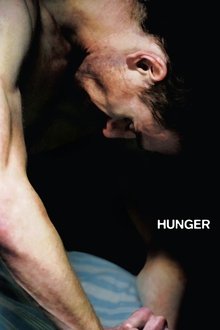
Hunger (2008)
The story of Bobby Sands, the IRA member who led the 1981 hunger strike during The Troubles in which Irish Republican prisoners tried to win political status.
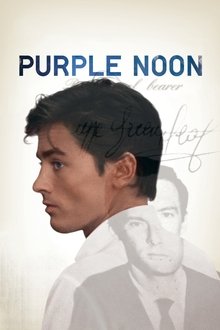
Purple Noon (1960)
Tom Ripley is a talented mimic, moocher, forger and all-around criminal improviser; but there's more to Tom Ripley than even he can guess.
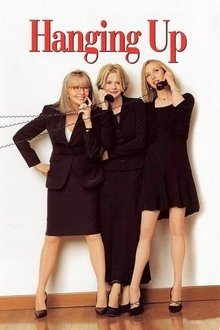
Hanging Up (2000)
Three sisters - Georgia, Eve, and Maddy - do what they do best with life, love, and lunacy on the telephone lines that bind - when their curmudgeonly father, Lou, is admitted to a Los Angeles Hospital. After years of wild living, intermittent affection, and constant phoning, he is finally threatening to die.
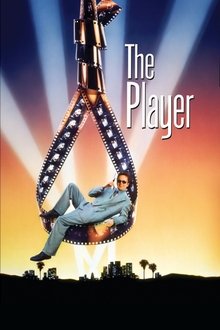
The Player (1992)
A Hollywood studio executive is being sent death threats by a writer whose script he rejected - but which one?
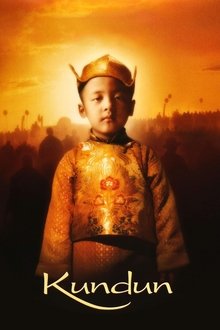
Kundun (1997)
The Tibetans refer to the Dalai Lama as 'Kundun', which means 'The Presence'. He was forced to escape from his native home, Tibet, when communist China invaded and enforced an oppressive regime upon the peaceful nation. The Dalai Lama escaped to India in 1959 and has been living in exile in Dharamsala ever since.