A dramatization to promote the Territorial Army.
Related Movies
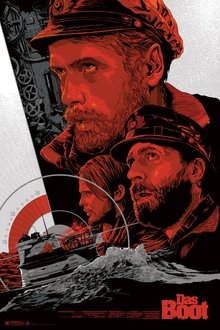
Das Boot (1981)
A German submarine hunts allied ships during the Second World War, but it soon becomes the hunted. The crew tries to survive below the surface, while stretching both the boat and themselves to their limits.

The Shadow in My Eye (2021)
On March 21st, 1945, the British Royal Air Force set out on a mission to bomb Gestapo's headquarters in Copenhagen. The raid had fatal consequences as some of the bombers accidentally targeted a school and more than 120 people were killed, 86 of whom were children.

Thanks Girls and Goodbye (1988)
Documentary using archival footage, newsreels and contemporary interviews with women of the WW2 Australian Women's Land Army.
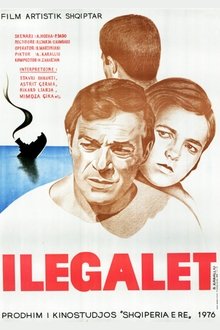
The Illegals (1976)
During World War II, an Italian agent tries to infiltrate the Albanian guerrilla units under the identity of 'engineer Tosti'.

Cake Bakers & Trouble Makers: Lucy Worsley's 100 Years of the WI (2015)
Documentary to mark the WI's centenary. Lucy Worsley goes beyond the stereotypes of jam and Jerusalem to reveal the surprisingly radical side of this Great British institution.
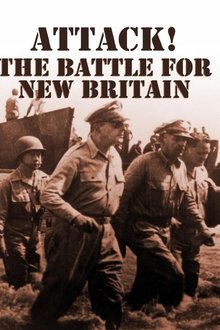
Attack! The Battle for New Britain (1944)
Actual footage by the United States Signal Corps of the landing and attack on Arawe Beach, Cape Glouster, New Britain island in 1943 in the South Pacific theatre of World War Two, and the handicaps of the wild jungle in addition to the Japanese snipers and pill-box emplacements.

Operation Cross Eagles (1968)
In Yugoslavia during WWII, a small band of courageous commandoes are sent to kidnap an important German commander in exchange for an American general being held in a German fortress.
A Bullet for Rommel (1969)
During World War II, a tough officer organizes a commando raid into Germany.
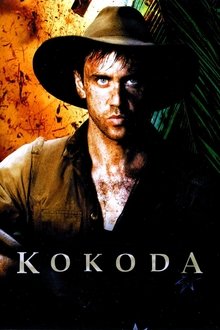
Kokoda (2006)
A bitter battle is fought between Australian and Japanese soldiers along the Kokoda trail in New Guinea during World War II.

Franz + Polina (2006)
The movie tells the story of Franz, a Waffen-SS soldier who deserts, and Polina, a Belarusian woman whose village is razed and people massacred.
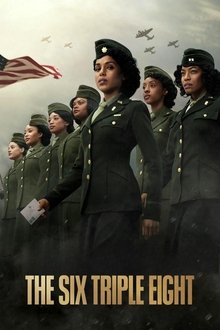
The Six Triple Eight (2024)
During World War II, the US Army's only all-Black, all-women battalion takes on an impossible mission: sorting through a three-year backlog of 17 million pieces of mail that hadn't been delivered to American soldiers and finish within six months.

Antoine de Caunes : la vie rêvée d'un enfant du rock (2025)
Documentary on Antoine de Caunes, a French television presenter, comedian, actor, journalist, writer and film director.

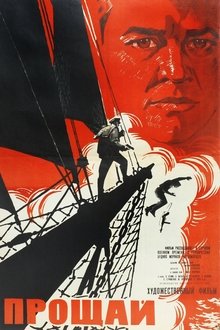
Farewell (1966)
Spring, 1944. The Great Patriotic war. The German fascists are still in Sevastopol. A fierce combat is taking place there. At the same time in Yalta, which has already been freed, life goes on peacefully. People believe that the war has left them, that it is far away and no longer dangerous… But the torpedo motor-boat squadron stationed in Yalta is still having a hard time. Every day Soviet marines undertake dangerous sorties towards the German-occupied Sevastopol.
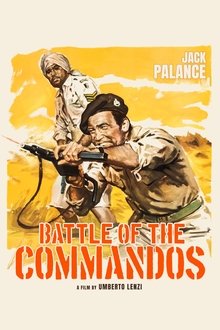
Battle of the Commandos (1969)
A British Colonel is angry with his superiors after his entire platoon is slaughtered by the Germans in what he saw as a suicide mission. So for his next mission, he takes along a platoon a convicted criminals - to prepare the Normandy beaches for the D-Day landings.
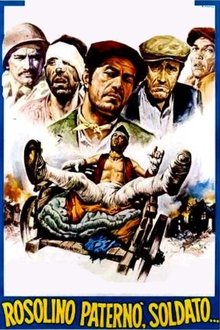
Operation Snafu (1970)
World War II soldiers enter Sicily to seize German arms supply only to discover there is not a gun in sight.

Guerillas in Pink Lace (1964)
An American gambler masquerades as a Catholic priest during the fall of Manila early in World War II in the Pacific to obtain clearance to fly out on an official military transport. Five American showgirls wrangle a pass with the aid of a helpful U.S. Army colonel to leave on the same plane. Ironically, the transport crashes at sea. The gambler and the girls wind up on a Japanese held island. Initially, they stay out of sight from the enemy, but inevitably things change.
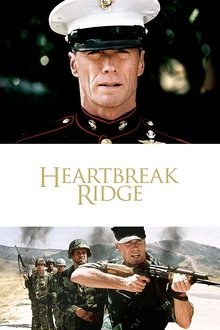
Heartbreak Ridge (1986)
A hard-nosed, hard-living Marine gunnery sergeant clashes with his superiors and his ex-wife as he takes command of a spoiled recon platoon with a bad attitude.
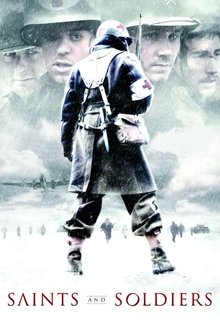
Saints and Soldiers (2003)
Five American soldiers fighting in Europe during World War II struggle to return to Allied territory after being separated from U.S. forces during the historic Malmedy Massacre.

Empire of the Sun (1987)
Jamie Graham, a privileged English boy, is living in Shanghai when the Japanese invade and force all foreigners into prison camps. Jamie is captured with an American sailor, who looks out for him while they are in the camp together. Even though he is separated from his parents and in a hostile environment, Jamie maintains his dignity and youthful spirit, providing a beacon of hope for the others held captive with him.