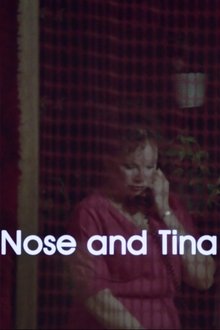
The historic gathering of three hundred indigenous activists from North, South and Central America who met in Quito, Ecuador, in July 1990 to organize a cross-continental indigenous resistance to the Columbus Quincentennial.
Related Movies
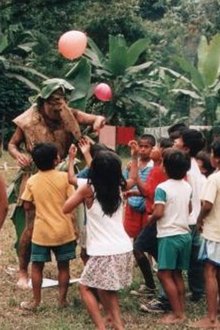
The Call of Fayu Ujmu (2002)
A 13-year-old Indian boy is found unconscious after being attacked in the jungle by the evil spirit Fayu Ujmu. A shaman attempts to ritually tame the spirit and advises the boy’s father to capture it. This story is based on a Chachi Indian legend; it was shot with indigenous inhabitants of the jungle community of Loma Linda, on the Rio Cayapas.
Still We Rise (2022)
50 years on, the Aboriginal Tent Embassy is the oldest continuing protest occupation site in the world. Taking a fresh lens this is a bold dive into a year of protest and revolutionary change for First Nations people.
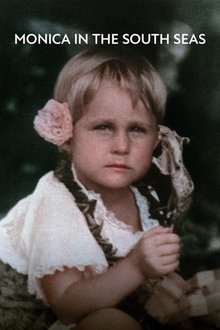
Monica in the South Seas (2023)
Finnish filmmaker and artist Sami van Ingen is a great-grandson of documentary pioneer Robert Flaherty, and seemingly the sole member of the family with a hands-on interest in continuing the directing legacy. Among the materials he found in the estate of Robert and Frances Flaherty’s daughter Monica were the film reels and video tapes detailing several years of work on realising her lifelong dream project: a sound version of her parents’ 1926 docu-fiction axiom, Moana: A Romance of the Golden Age.
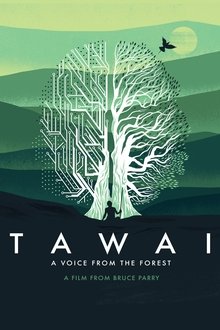
Tawai: A Voice from the Forest (2017)
Explorer Bruce Parry visits nomadic tribes in Borneo and the Amazon in hope to better understand humanity's changing relationship with the world around us.
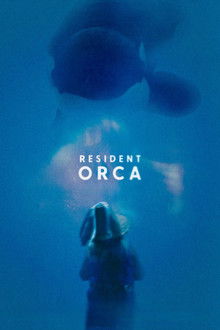
Resident Orca (2024)
Resident Orca tells the unfolding story of a captive whale’s fight for survival and freedom. After decades of failed attempts to bring her home, an unlikely partnership between Indigenous matriarchs, a billionaire philanthropist, killer whale experts, and the aquarium’s new owner take on the impossible task of freeing Lolita, captured 53 years ago as a baby, only to spend the rest of her life performing in the smallest killer whale tank in North America. When Lolita falls ill under troubling circumstances, her advocates are faced with a painful question: is it too late to save her?
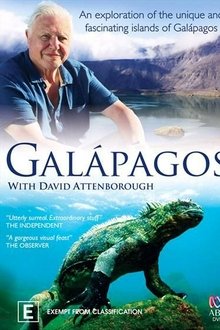
Galapagos with David Attenborough (2013)
Two hundred years after Charles Darwin set foot on the shores of the Galápagos Islands, David Attenborough travels to this wild and mysterious archipelago. Amongst the flora and fauna of these enchanted volcanic islands, Darwin formulated his groundbreaking theories on evolution. Journey with Attenborough to explore how life on the islands has continued to evolve in biological isolation, and how the ever-changing volcanic landscape has given birth to species and sub-species that exist nowhere else in the world. Encompassing treacherous journeys, life-forms that forge unlikely companionships, and survival against all odds, Galápagos tells the story of an evolutionary melting pot in which anything and everything is possible.

Tokyo Ainu (2013)
TOKYO Ainu features the Ainu, an indigenous people of Japan, living in Greater Tokyo (Tokyo and its surrounding areas), who are and actively in promoting their traditional culture in a metropolitan environment away from their traditional homeland, Hokkaido. Shedding a common assumption that all Ainu live in Hokkaido, the film captures the feelings, thoughts and aspirations of Ainu people that who try to follow the Ainu way no matter where they live.

LaDonna Harris: Indian 101 (2014)
A documentary film about Comanche activist LaDonna Harris, who led an extensive life of Native political and social activism, and is now passing on her traditional cultural and leadership values to a new generation of emerging Indigenous leaders.
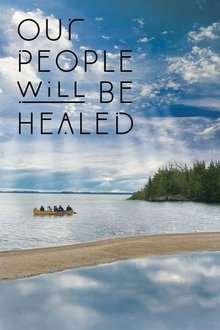
Our People Will Be Healed (2017)
Legendary documentary filmmaker Alanis Obomsawin provides a glimpse of what action-driven decolonization looks like in Norway House, one of Manitoba's largest First Nation communities.
Button Blanket (2009)
This short impressionist documentary looks at the creation of a Button Blanket by integrating the performance of a traditional dance with the art of the West Coast Heiltsuk Nation.
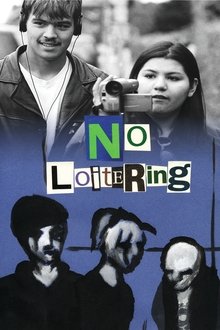
No Loitering (2002)
An intimate portrait of teenagers trying to understand their world and their possibilities. The film weaves together video shot by teens and by the filmmaker, as they work together to make a film and create expressive outlets for youth in the community. They organize dances and community events and paint a mural. At the same time, with humor and pathos, these young people raise issues around violence, feeling misunderstood by adults and lacking respect in their community. Set in the small town of Sitka, Alaska, home to a large Alaska Native population, the video chronicles their creativity, concerns and dreams.
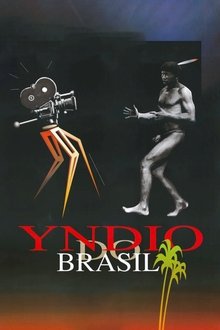
Our Indians (1995)
Yndio do Brasil is a collage of hundreds of Brazilian films and films from other countries - features, newsreels and documentaries - that show how the film industry has seen and heard Brazilian indigenous peoples since they were filmed in 1912 for the first time: idealised and prejudiced, religious and militaristic, cruel and magic.
These Are My People... (1969)
This documentary short is the first film made by an all-Aboriginal film crew, training under the NFB's Challenge for Change Program. It was shot at Akwesasne (St. Regis Reserve). Two spokesmen explain historical and other aspects of Longhouse religion, culture, and government and reflect on the impact of the white man's arrival on the Indian way of life.
Heartbeat of a Nation (2022)
A short documentary that celebrates Dene cultural reclamation and revitalization, in which a father passes on traditional knowledge to his child through the teachings of a caribou drum.
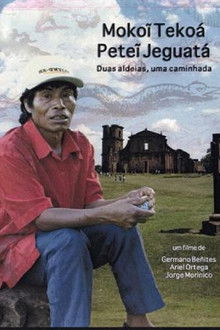
Two villages, one single walk (2008)
With no Forest left to hunt and no land to cultivate, the Maby-Guarani depend on the sale of their handcraft to survive. Three young Guarani filmmakers accompany the daily life of two comunities united by the same history, since the first contact with the Europeans until the intense coexistence with today’s White people.
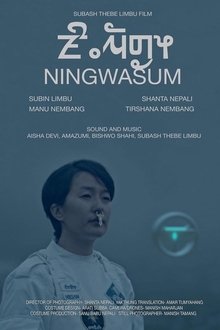
Ningwasum (2022)
Ningwasum follows two time travellers Miksam and Mingsoma, played by Subin Limbu and Shanta Nepali respectively, in the Himalayas weaving indigenous folk stories, culture, climate change and science fiction.
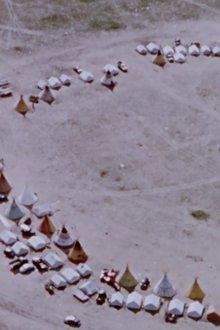
Kainai (1973)
On the Kainai (Blood) First Nations Reserve, near Cardston, Alberta, a hopeful new development in Indigenous enterprise. Once rulers of the western plains, the Bloods live on a 1 300-square-kilometer reserve. Many have lacked gainful employment and now pin their hopes on a pre-fab factory they have built. Will the production line and work and wages fit into their cultural pattern of life? The film shows how it is working and what the owners themselves say about their venture.

Mother's Land (2021)
Waking up in a nightmare before the sunrise of December 30, 2020, the indigenous community of the Tumandok was suddenly surrounded by fear. Panambi features the stories of bright memories of the past and the despair of having now as a mere memory of the future without a trace of justice; how they lived and what they lived for. A decades-long struggle is shot, one in the lens of a mother paralyzed by fear; another from a mother raged and moved by fear—both looking forward to a better tomorrow.
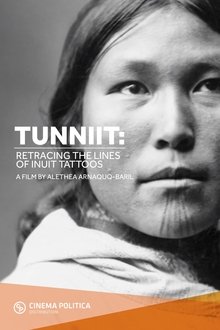
Tunniit: Retracing the Lines of Inuit Tattoos (2011)
Inuit traditional face tattoos have been forbidden for a century, and almost forgotten. Director Alethea Arnaquq-Baril, together with long-time friend and activist Aaju Peter, is determined to uncover the mystery and meaning behind this beautiful ancient tradition. Together they embark on an adventure through Arctic communities, speaking with elders and recording the stories of a once popularized female artform. Central to the film is Arnaquq-Baril’s personal debate over whether or not to get tattood herself. With candour and humour, she welcomes us into her world, to experience firsthand the complex emotions that accompany her struggle. Past meets present in this intimate account of one woman’s journey towards self-empowerment and cultural understanding.