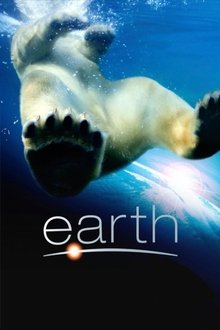
A man and his spirit navigate in harmony with nature. By day, by night, by the upheavals of unpredictability, he navigates the river as we all navigate our lives.
Related Movies

Ernesto (NaN)
In 1973 a military coup was staged in Chile, Ernesto lived through these tough times and shares his story about what happened to him
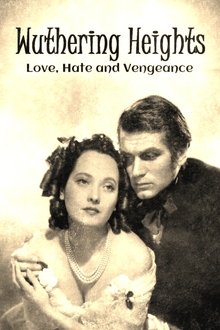
Wuthering Heights: Love, Hate and Vengeance (2022)
In 1847, British writer Emily Brontë (1818-48), perhaps the most enigmatic of the three Brontë sisters, published her novel Wuthering Heights, a dark romance set in the desolation of the moors, a unique work of early Victorian literature that stunned contemporary critics.
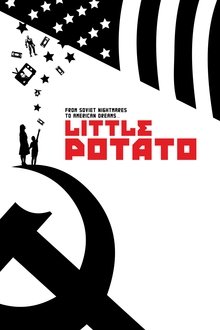
Little Potato (2017)
Wes Hurley's autobiographical tale of growing up gay in Soviet Union Russia, only to escape with his mother, a mail order bride, to Seattle to face a whole new oppression in his new Christian fundamentalist American dad.
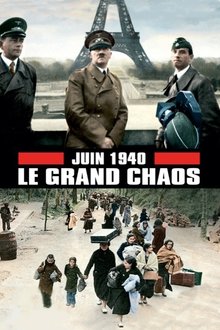
June 1940, the Great Chaos (2010)
From May 10, 1940, France is living one of the worst tragedies of it history. In a few weeks, the country folds, and then collapsed in facing the attack of the Nazi Germany. On June 1940, each day is a tragedy. For the first time, thanks to historic revelations, and to numerous never seen before images and documents and reenacted situations of the time, this film recounts the incredible stories of those men and women trapped in the torment of this great chaos.

Horarium (2020)
The nuns of the Anglican Benedictine Community at St. Mary's Abbey, West Malling, reflect on their calling and the joys and challenges of their way of life. In this short documentary, directed by Jamie Hughes, the nuns' voices are complemented by images from the life of the Abbey.
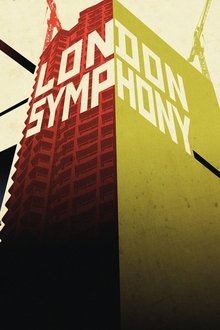
London Symphony (2017)
LONDON SYMPHONY is a brand new silent film - a city symphony - which offers a poetic journey through the city of London. It is an artistic snapshot of the city as it stands today, and a celebration of its culture and diversity.
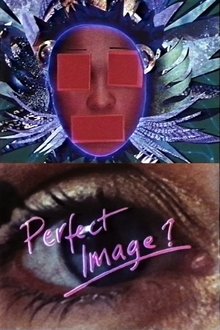
Perfect Image? (1989)
Two actresses take us through a series of 'raps' and sketches about what it means to be beautiful and black.
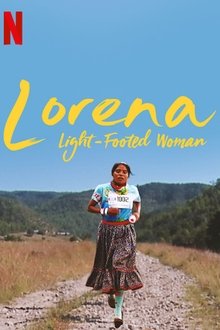
Lorena: Light-Footed Woman (2019)
A young woman of the Tarahumara, well-known for their extraordinary long distance running abilities, wins ultramarathons seemingly out of nowhere despite running in sandals.
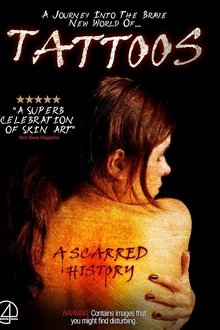
Tattoos: A Scarred History (2009)
An exploration of how the once taboo art form has become socially acceptable.
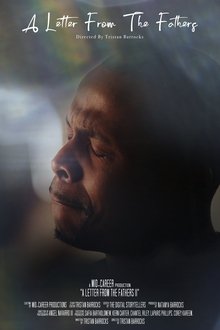
A Letter From The Fathers | Chapter II (2024)
The peaks, the valleys, and all the moments in between. Being a father is an extraordinary privilege that transforms your perspective on the world. "A Letter from the Fathers" is a touching, captivating, and emotive movie that presents the audience with the fatherhood journeys of four men. Gear up to experience laughter, tears, and reflection as these dads share insights from their parenting adventures. It's a profound, insightful exploration of how fatherhood doesn't just mould the children but also profoundly influences the men themselves.

Afro Mood Burlesque (1947)
A burlesque short starring Amalia Aguilar. Part of "Joe Bonica presents the Movie of the Month" nudie film series.

Samurai Japan: The Story Behind the WBC Clean Sweep (2024)
Samurai Japan won the 2023 World Baseball Classic for the first time in 14 years, and went all the way to the final undefeated. In addition to the never-before-seen footage of the team, the film also includes interviews with Manager Hideki Kuriyama, players, coaches, and team staff. What is the truth behind the glory and the suffering of the people involved?
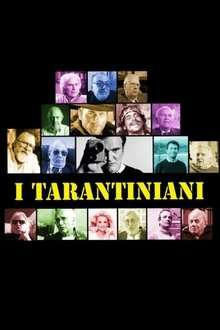
I Tarantiniani (2013)
Tarantino reveres them, and for good reason. Welcome to the world of the kings of the Italian B-Movie.
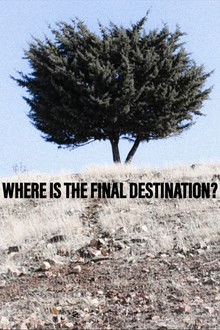
Where is the Final Destination? (2024)
A single tree that has witnessed events, a girl who loves Forough, and a boy who reads Sohrab.
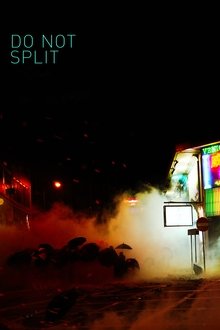
Do Not Split (2020)
The story of the 2019 Hong Kong protests, told through a series of demonstrations by local protestors that escalate into conflict when highly armed police appear on the scene.
Thot-Fal'N (1978)
This film describes a psychological state "kin to moonstruck, its images emblems (not quite symbols) of suspension-of-self within consciousness and then that feeling of falling away from conscious thought. The film can only be said to describe or be emblematic of this state because I cannot imagine symbolizing or otherwise representing an equivalent of thoughtlessness itself. Thus the actors in the film, Jane Brakhage, Tom and Gloria Bartek, Williams Burroughs, Allen Ginsberg, Peter Olovsky and Phillip Whalen are figments of this 'Thought-Fallen Process', as are their images in the film to find themselves being photographed."