Billy is a film buff who films himself non-stop. During a film shoot, he meets Lawrence Côté-Collins and the two become friends. One night, he assaults her. Years later, in prison for the deaths of two people, Billy is diagnosed with schizophrenia. With the help of the filmmaker, his only remaining relationship apart from his family, his personal archives become an invaluable resource for understanding his illness. A formal deconstruction of schizophrenia through a remarkably open-minded gaze.
Related Movies
Schizophrenia: The Voices in My Head (2017)
A documentary tracking the daily lives, struggles and triumphs of some young Irish people living with schizophrenia. They speak openly about what it's like to live with such a severe mental health disorder and struggle with delusional thoughts and the internal voices that are so associated with schizophrenia.
Borderline (2016)
The first time Regina tried to kill herself, she was 5 years old. Now she's 45 and hell-bent on trying to live.
Next Summer (2017)
When Rasmus was 15, his mother and siblings moved from the island Bornholm and left Rasmus with his mentally ill father. Influenced by his father's insecurity, anger and failure, Rasmus chooses to move from Bornholm at the age of 18. Two years later, Rasmus is trying to see if a reunion is possible, but in order to forgive and create a new relationship, father and son must go on a common journey that requires extreme courage and determination to succeed.

They Heard Voices (2016)
THEY HEARD VOICES is a documentary film exploring the Hearing Voices Movement, chronic psychosis, and the schizophrenia label. The film is a series of wide-ranging interviews with voice hearers, medical historians, anthropologists and psychiatrists from Britain and America, presenting different people’s views. Is schizophrenia hard science or an arbitrary, catch-all term with no real meaning? What does it mean for those experiencing psychosis?
You Just Need a Walk. (2022)
Five subjects from Gen-Z take the PHQ-9 - a survey to assess the degree of one's depression severity. They -also- have a lot to say.

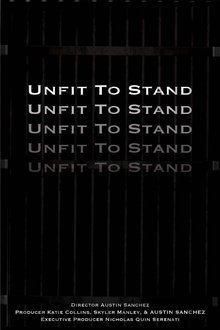
Unfit To Stand (2020)
An unflinching documentary of those dealing with mental illness in the criminal justice system and a profile of families who tragically fell victims to that system.

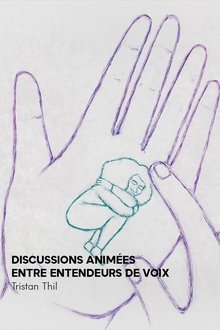
Discussion animée entre Entendeurs de voix (2022)
A group of people with schizophrenia meet to discuss their daily lives with the voices in their heads.
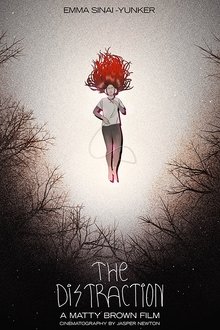
The Distraction (2020)
A short form exploration of the very visceral and disorienting world of living with severe anxiety and depression, the world’s biggest health problem.

The Fiend (2011)
Joe wants to be a rapper. Max wants to be a filmmaker. They go to a secluded house in rural Virginia to document the production of Joe's demo CD. But what begins as a funny music documentary turns into a film about Joe's harrowing battle with a self-destructive alter-ego.
Born Schizophrenic: Jani & Bodhi's Journey (2014)
Jani, now 11, is showing improvement in keeping her hallucinations at bay. But the same cannot be said for Bodhi, now 6. His dangerous outbursts have landed him in the hospital; leaving the doctors and family with a puzzling diagnosis.
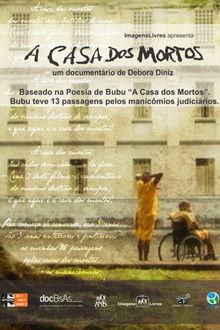
The House of the Dead (2009)
Bubu is a poet who has been committed to state institutions for the insane twelve times. He challenges the meaning of hospital-jails, hybrid institutions which sentence the insane to life imprisonment. The poem "The House of the Dead" was written during the filming of the documentary and reveals the forgotten deaths that occur in these judicial asylums. There are three stories in three acts of death. Jaime, Antonio, and Almerindo are anonymous men, considered dangers to society, whose punishment is the tragedy of suicide, the unending cycle of being committed to the asylum, or surviving life imprisonment in the house of the dead. Bubu is the narrator of his own life and also of his own destiny-death in the asylum.
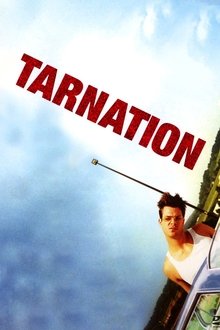
Tarnation (2003)
Filmmaker Jonathan Caouette's documentary on growing up with his schizophrenic mother -- a mixture of snapshots, Super-8, answering machine messages, video diaries, early short films, and more -- culled from 19 years of his life.
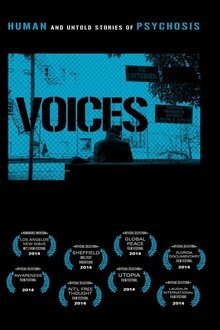
Voices (2013)
Voices is an award-winning documentary that features the stark and intimate portraits of three very different individuals and their struggle with severe mental illness in America. The stories of Sharon, Thomas and Aaron illuminate the challenges, realities, and often complex emotions and choices that surround people with psychotic mental illness and those who love them.
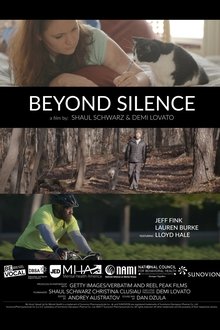
Beyond Silence (2017)
The lives of Jeff, Lauren and Lloyd—three very different people who share one common experience—have been transformed by speaking up for mental health. These inspiring stories depict what mental health in America really looks like and highlights just how important it is to speak up and seek help.
Into Madness (1989)
Initially airing on HBO's "America Undercover" series, this riveting documentary focuses on three families shattered by the psychiatric disorder of schizophrenia. Subjects "Bob," "Missy" and "Steven" have lived for over a decade with schizophrenia. The film documents the difficult day-to-day existence of both those afflicted with this order and the families searching for answers to their loved ones' suffering. This film also shows the varied and variably successful treatment methods for each of the subjects—one is placed in a group home, one is placed in an institution, and one is cared for at home. The documentary was critically acclaimed for its compassionate treatment of mental illness.