Two absentee American parents get to know their three children again after spending five years in Panama.
Related Movies

Roxie Hart (1942)
A café in Chicago, 1942. On a rainy night, veteran reporter Homer Howard tells an increasing audience the story of Roxie Hart and the crime she was judged for in 1927.

Gold Diggers of 1937 (1936)
The partners of stage-producer J. J. Hobart gamble away the money for his new show. They enlist a gold-digging chorus girl to help get it back by conning an insurance company. But they don’t count on the persistence of insurance man Rosmer Peck and his secretary Norma Perry.
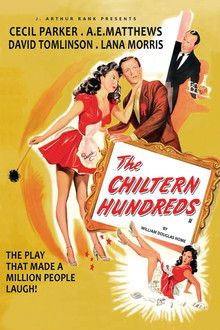
The Chiltern Hundreds (1949)
Young Viscount Tony Pym wangles National Service leave on the pretext of standing as a Tory candidate for a local seat held by his family for generations. The request is a ruse to enable Pym to marry his wealthy American fiancee while she's still in England, but his masterplan backfires when he finds himself swept into an election campaign and beaten by Labour's Mr Cleghorn – who is then made a peer. In an attempt to save face, Pym decides to stand again – as a socialist. It all proves too much for the Pyms' loyal, true-blue butler, Mr Beecham...

Troop Zero (2019)
In rural 1977 Georgia, a misfit girl dreams of life in outer space. When a national competition offers her a chance at her dream, to be recorded on NASA’s Golden Record, she recruits a makeshift troupe of Birdie Scouts, forging friendships that last a lifetime and beyond.
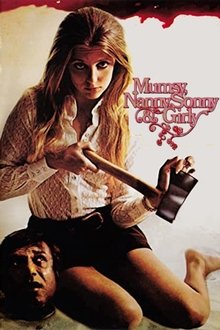
Mumsy, Nanny, Sonny & Girly (1970)
A wealthy, fatherless British clan kidnap bums and hippies, forcing them to participate in an elaborate role-playing game in which they are the perfect family; those who refuse or attempt escape endure ritualistic murder.
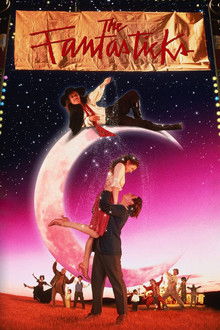
The Fantasticks (2000)
Widowers Amos and Ben plot to romantically unite Amos' daughter Luisa and Ben's son Matt by pretending to feud and forbidding the teens to associate, knowing they will resist their fathers' interference. As the youngsters fall in love, the fathers plot to end the 'feud' by hiring a travelling showman to fake an abduction and allow Matt to 'rescue' Luisa.
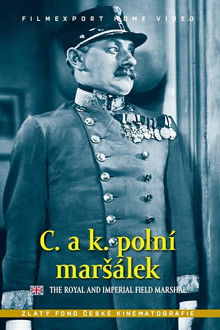
Imperial and Royal Field Marshal (1930)
František Procházka was retired early because his soldiers sang a forbidden song about a c. and k. field marshal. Since he is a soldier in body and soul and his request for reactivation is rejected, he decides to visit his nephew Rudi. Upon arrival, he finds the uniform of the secretly expected field marshal in his nephew's room and, after putting it on and walking through the corridors of the garrison in it, he has no choice but to complete the entire play to the end. With his performance, he helps his nephew to get married, convicts the wanted spy and is eventually promoted to the real marshal and called back into service.
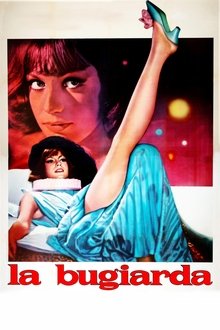
Six Days a Week (1965)
Maria is a young beauty who is busy juggling three boyfriends (a count, a dentist and a student) at the same time. She manages this elaborate deception by impersonating her roommate Silvana who is a real life airline hostess. She lies to the count and the dentist about her flight schedules and her whereabouts so she can spend three days a week with each of them. She spends the remaining day of the week with the student who thinks she is a fellow student. One day surprising news of the real Silvana break out. Comedy and confusion ensure when Maria is forced to come up with a more elaborate scheme to cover her tracks and keep her boyfriends happy.
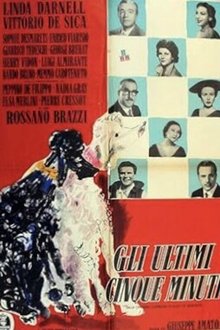
It Happens in Roma (1955)
Airy comedy of a man a woman and the lengths they'll go to for a really great apartment! Located in the center of Rome with amazing views both want it and strike the compromise of marrying each other platonically to get it. The woman still hopes for true love and the man agrees to step aside should that special someone come along but he is secretly smitten with her and surreptitiously makes her various suitors look like fools. All goes well until he comes up against Rosanno Brazzi and finds him a tough challenge to overcome.

Blázinec v 1. poschodí (1969)
The servant Josef enters the seemingly peaceful household of the psychiatrist Jaroslav and his wife Žofie, a great lover of the theatre. He is supposed to serve the purpose of increasing the prestige of the family, but he is the true source of confusion and senseless actions. The household becomes a real madhouse. Friend Arthur advises how to get rid of the servant. He will have to be persuaded that Madame Sophie is a psychiatric case. But as we watch this mess, the question gradually arises - who is the madman here?
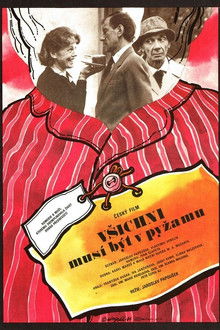
Všichni musí být v pyžamu (1985)
The hero, rushing from one misfortune to another, is former accountant Řehoř Maršíček, who after a heart attack, out of fear of death, decides to live a calm, moderate life and follow the principles of a healthy lifestyle. Not to smoke, not to drink, to exercise and eat healthily. He takes up the position of an auditor of patients and hopes that he will have peace in his new job. Instead, he experiences one nervous breakdown after another. He gradually makes one good resolution after another. Řehoř falls into unhealthy food, alcohol and women. In addition, he gradually loses most of his life's certainties, including a roof over his head. The result is a second heart attack, after which the hero promises himself again that he will fix everything and live a healthy life.

Chasing Two Hares (1961)
Based on the Ukrainian vaudeville by Mykhailo Starytskyi, the famous Ukrainian writer. The leading character, Svyryd Petrovych Holokhvosty has his own barbershop in town and a reputation of a dandy. Once, after losing everything he had at cards, he decides to remedy his financial situation by a profitable marriage. A rich but ugly girl named Pronia Sirko falls for the illustrious suitor’s courtship...

The Cat and the Canary (1978)
A group of potential heirs gather in a forbidding old house to learn which of them will inherit a fortune. Later, they learn that a flesh-rending maniac is loose.
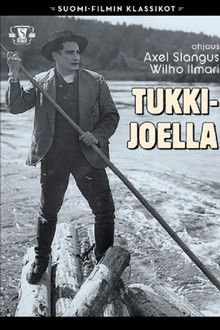
Tukkijoella (1928)
“Tukkijoella” (Log River – 1928). Films of this genre gave the Finnish cinema and the viewing public one of its most popular characters – the lumberjack (tukkijatka, tukkipoika, tukkilainen) who at his most heroic hour becomes the log-roller or the shooter of rapids (koskenlaskija). The significance of this character in Finnish film is comparable to that of the Cowboy on American cinema. He is the pioneer, the wanderer, the adventurer. He negotiates the frontier, he is an embodiment of the conflict between wilderness and civilization.