When BA Flight 149 unwittingly landed in a warzone, its passengers and crew were taken hostage. Did the UK government allow it? And who were the mercenaries on board?
Related Movies

Attica (2021)
Follows the largest prison uprising in US history, conducting dozens of new interviews with inmates, journalists, and other witnesses.
Voodoo Medics (NaN)
About trauma, resilience and post-traumatic growth in the medics who served with Australia's special forces in Afghanistan. From losing mates in the battlefield to treating horrifically injured Afghan kids in remote surgical theatres.
The Gulf War... What Next? (1993)
The second Gulf War from 1990 to 1991 represents in the collective Arab memory a turning point in regards to the Arab nationalism’s self-perception as well as a moment of deep historical and existential insecurity. Five Arab directors discuss the events from their personal perspective.
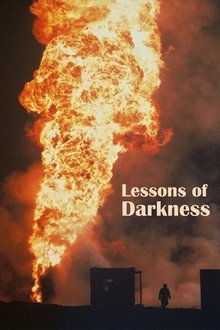
Lessons of Darkness (1992)
Shortly after the Gulf War, oil fires were raging all through Kuwait. In the week before this sea of fire would be extinguished, Werner Herzog filmed this apocalyptic landscape with its murky skies, scorched earth and capricious flames.
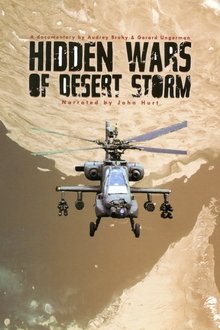
The Hidden Wars of Desert Storm (2001)
"Hidden Wars of Desert Storm" looks at the origins of the Gulf War crisis and challenges the official Western "party-line" view of a spontaneous crusade for "Freedom & Democracy". Instead, the documentary exposes the White House and US State Department's hidden agenda in the Gulf as well as the Pentagon's use of radioactive ammunitions made of uranium 238.
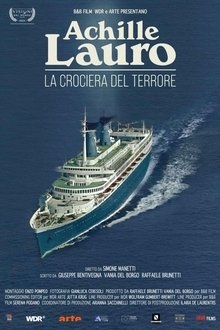
Achille Lauro - The terror cruise (2025)
An Italian cruise ship carrying passengers from all over the world is hijacked off the coast of Egypt by a Palestinian commando unit. It is the beginning of a three-day ordeal in 1985 that culminates in the murder of an American hostage and an armed clash between two NATO allies to capture his killers.
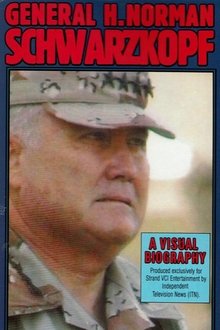
General H. Norman Schwarzkopf: Command Performance (1991)
General H. Norman Schwarzkopf: Command Performance shows historic archive photographs and coverage of “Stormin’ Norman’s” role from the inception of Desert Shield to the onslaught of Desert Storm.

Uncle Saddam (2000)
Everything you've ever wanted to know about Saddam Hussein (but were afraid to ask).

Broken Token (2024)
A single female voice sings of waiting in her garden for her ‘dark-eyed sailor’ to return from war, bearing the other half of their token, a gimmel ring. Three veterans pass on the road as she waits, and she asks them: “When you were fighting in distant lands, did you think of the home you left?” In reply the veterans relate their recollections. The garden images in the accompanying film represent ‘home’, but also stand for a more general possibility of redemption, of the potential of the past to return at any time, disguised and changed, to renew the present: “Each moment of time is a garden gate,” the song goes, “Through it my love may walk.”

Holding Liat (2025)
Liat Atzili was kidnapped from her kibbutz on October 7. What begins as a chronicle of her parents, sister, and children's efforts to secure her return, becomes a portrait of conflicting impulses towards anger, indifference, and compassion straining the bonds of one grieving family.
Desolate Rome (1995)
Chronicles of a male homosexual drug addict in 1980's in voice-over with long take scenes from Rome, television snippets of news of Gulf War and commercials.
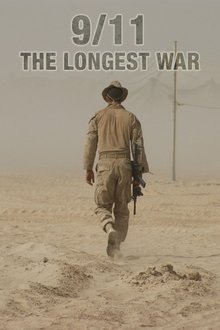
9/11: The Longest War (2016)
In honour of the 15th Anniversary of 9/11, National Geographic Channel is looking back at the very best reporting we have done since this world-changing tragedy first happened using extended excerpts from past specials that relate directly to events leading up to and following the attacks on New York City and Washington DC.
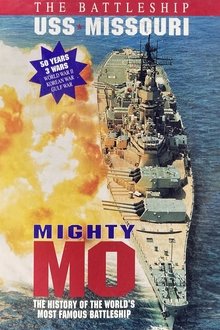
Mighty Mo: The Battleship USS Missouri (1998)
Explore the history of the world's most famous battleship, the USS Missouri, with this revealing documentary that chronicles the ship's distinguished career that spanned more than 50 years of service. Narrated by decorated Navy officer Wes Carey, this portrait combines archival film footage, photographs and personal accounts to paint a vivid picture of the celebrated ship, affectionately known as "Mighty Mo."
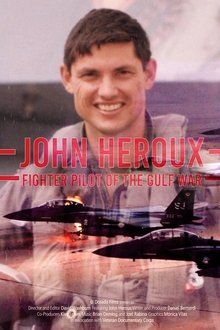
John Heroux: Gulf War Fighter Pilot (2012)
In 1991, John Heroux served in Operation Desert Storm, piloting one of forty F16 Fighter Planes sent in to target large manufacturing facilities deep inside Iraq. Looking back on these missions, John explains that pilots, himself included, felt no pride at causing destruction, but did have pride in serving their country and completing their tasks. This is his story.
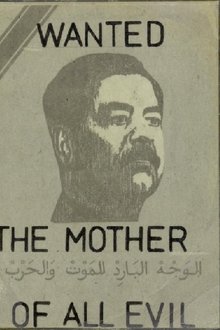
Saddam: America's Best Enemy (2005)
Documents a 40-year relationship between Saddam Hussein and the U.S., through accounts given by those who were witness to and participants in those years of violence. It is about a man and a superpower who used each other, in a marriage of convenience between strange bed-fellows. Includes selected archival footage of Saddam's beginnings, filmed to immortalise his exploits, at 20 years of age, in 1959. Includes also images from the film, Saddam Hussein, le maître de Baghdad, directed by Michel Vuillermet (Zarafa Films)
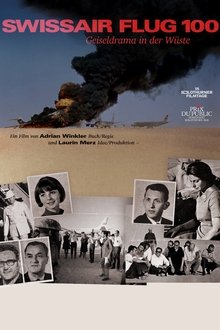
Swissair Flug 100 – Geiseldrama in der Wüste (2024)
On September 6, 1970, militant Palestinians hijack a fully occupied Swissair plane. After weeks of negotiations, the Federal Council capitulates, gives in to the terrorists' demands and releases three Palestinians imprisoned in Switzerland.
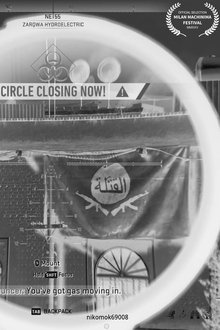
The Zone (2025)
In times of conflict, a companion can be the final thread linking one to human connection. In Call of Duty: Warzone, communication is fractured, making it even harder to truly know those you play with. Dialogue is just a series of terse exchanges of orders and instructions; everything revolves around the game, everything is subsumed by war. Forming a meaningful connection with an anonymous player seems nearly impossible. In The Zone, the protagonists confront this challenge, pushing beyond the fleeting interactions dictated by random matchmaking. They seek to reclaim their humanity, engaging with pressing themes — religion, terrorism, and representation — subtly embedded in the game’s mechanics and geography.