The ruin pub phenomenon in Budapest jolted the city to life like an explosion in the early 2000s. The capital, which had flourished and buzzed with culture at the turn of the century, was levelled in an instant by the Second World War. The people living here had to start from scratch, and through perseverance and determination, the city once again began to thrive—only to slide toward decline once more. Budapest exists within this cycle, and the ruin pub is part of it, encapsulating a sense of permanence built from the ruins of Eastern Europe.
Related Movies

Acasă, My Home (2020)
In the wilderness of the Bucharest Delta, nine children and their parents lived in perfect harmony with nature for 20 years – until they are chased out and forced to adapt to life in the big city.
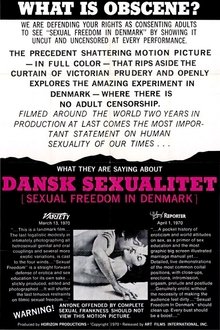
Sexual Freedom in Denmark (1970)
Starting as a documentary on the sexually liberated culture of late-Sixties Denmark, Sexual Freedom in Denmark winds up incorporating major elements of the marriage manual form and even manages to squeeze in a montage of beaver loops and erotic art. All narrated with earnest pronouncements concerning the social and psychological benefits of sexual liberation, the movie, is a kind of mondo film dotted with occasional glimpses of actual sex.
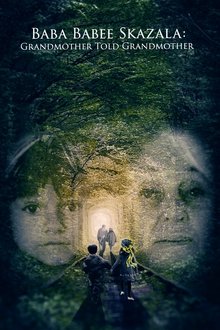
Grandmother Told Grandmother (2018)
The little-known story of Ukrainian children torn from their homes in the crush between the Nazi and Soviet fronts in World War II. Spending their childhood as refugees in Europe, these inspiring individuals later immigrated to the United States, creating new homes and communities through their grit, faith and deep belief in the importance of preserving culture.
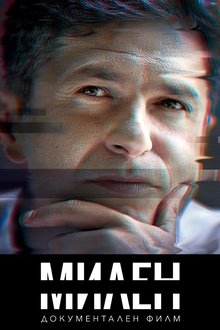
Milen (2025)
The documentary film follows the life and career of Milen Tsvetkov against the backdrop of historical events in Bulgaria that have transformed journalism and the media market in the country since 1989.
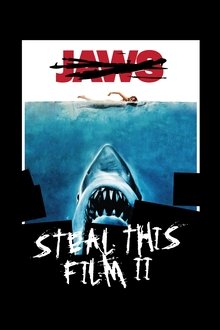
Steal This Film II (2007)
These are strange times indeed. While they continue to command so much attention in the mainstream media, the 'battles' between old and new modes of distribution, between the pirate and the institution of copyright, seem to many of us already lost and won. We know who the victors are. Why then say any more?

FUCK TV (2019)
After concluding the now-legendary public access TV series, The Pain Factory, Michael Nine embarked on a new and more subversive public access endeavor: a collaboration with Scott Arford called Fuck TV. Whereas The Pain Factory predominantly revolved around experimental music performances, Fuck TV was a comprehensive and experiential audio-visual presentation. Aired to a passive and unsuspecting audience on San Francisco’s public access channel from 1997 to 1998, each episode of Fuck TV was dedicated to a specific topic, combining video collage and cut-up techniques set to a harsh electronic soundtrack. The resultant overload of processed imagery and visceral sound was unlike anything presented on television before or since. EPISODES: Yule Bible, Cults, Riots, Animals, Executions, Static, Media, Haterella (edited version), Self Annihilation Live, Electricity.
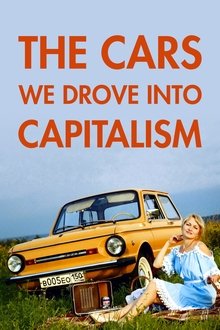
The Cars We Drove into Capitalism (2021)
A cinematic, character-driven insight to what it meant to produce and to own a car in communist times: the Socialist propaganda dreams and the hard reality of living that dream. The freedom that these slow and clumsy vehicles were giving to their owners; the cars as an instrument in the Cold War battle; legends and homemade tune-ups as an attempt to stand at least a little bit off the crowd.
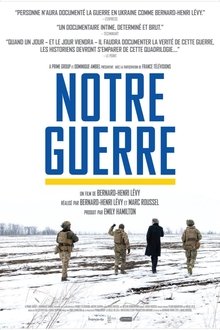
Our War (2025)
Between February and April 2025, filmmakers Bernard-Henri Lévy and Marc Roussel filmed the Pokrovsk and Soumy fronts in eastern Ukraine, following the fighters of the Anne de Kyiv Brigade, armed by France. They filmed the daily lives of the inhabitants, bombarded by Russian forces terrorizing civilians on the eve of possible negotiations. They interview President Zelenskyy, who is reluctant to travel to Washington, and then watch the rebroadcast of the meeting with Ukrainian soldiers in a bunker. For the real heroes are the anonymous fighters and civilians who hold their heads high in the face of adversity and suffering, and who are filmed on a daily basis. The final part of Lévy’s “Ukrainian Quartet”, Our War is a diary, peppered with flashbacks in which the author recalls the high points of this war that began in 2014.
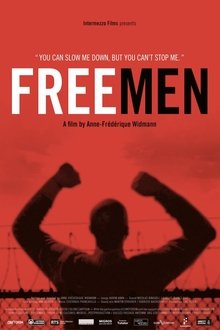
Free Men (2018)
Told through the charismatic voice of inmate Kenneth Reams, Free Men is a film about human resilience. In solitary confinement for the last 25 years, Kenneth has pushed back the walls of his cell to become a painter, a poet, the founder of a non-profit, and an art event organizer - while fighting at the same time for justice. At age 18, Kenneth Reams was convicted for capital murder without firing a bullet. He became the youngest inmate on Arkansas death row. Alongside art, the film shows how love can cross barbed wire and the length of an ocean in Kenneth's love for Isabelle, a French artist who wants to become his wife.
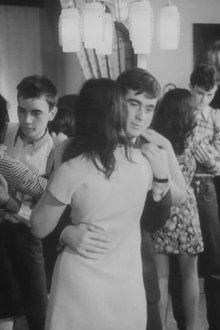
Adolescence (1969)
"This wonderful age in life where every thought strives toward an ideal, toward work, toward the future." Sahia Studios propaganda flick about how adults and their "those darn kids" attitudes affect adolescents.

Free Spaces (2015)
"Free Spaces" sketches a new and transformative image of four major cities in Eastern Europe. In te post-communist urban settings of Tbilisi (Georgia), Yerevan (Armenia), Chișinău (Moldova) and Kiev (Ukraine), Ina Ivanceanu follows artists and activists as they reclaim public spaces and assert their freedom of expression. Occupying a cinema, reviving an old Soviet circus, converting a grim metro passage into a glamorous arena, and repurposing a defunct factory building into a cultural agora. By seizing and creatively transforming public spaces characterized by an abondoned past, today's new generation explores democratic means and freedom while also confronting pervasive neoliberal structures in their respective societies.
stop (2025)
An ode to stillness, in the form of an experimental documentary miniature, inspired by Vitosha mountain and Sofia
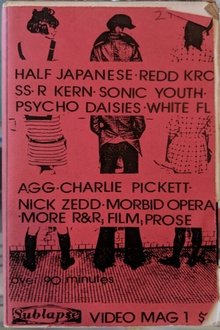
Sublapse Video Mag 1 (1986)
Video Fanzine featuring: Half Japanese, Redd Kross with Sky Saxon as Purple Electricity, R Kern, Sonic Youth, White Flag, Psycho Daisies, Charlie Pickett, Nick Zedd, Morbid Opera More R&R, Film, Prose. Pencil numbering indicates there was a run of 600 tapes.
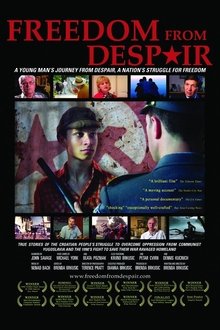
Freedom from Despair (2004)
True stories of the Croatian People's struggle to overcome oppression from communist Yugoslavia and the 1990's fight to save their war ravaged homeland.
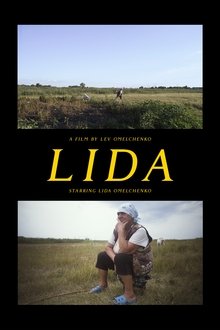
Lida (2020)
"LIDA" takes place on the day of Lida's 70th birthday. This already special day is made more unusual by the recent arrival of her grandson, Lev, who had immigrated to the United States with his family in 2001. Returning to Ukraine for the first time as an adult, Lev documents his grandmother as she tends to the small homestead and prepares for the birthday celebration in the rural village in Ukraine. By capturing moments of arduous labor, as well as through personal conversation, Lev inquires into his grandmothers relationship to her home, land - and their family.
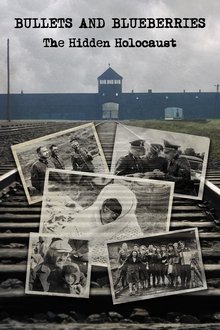
Bullets And Blueberries (2025)
The Holocaust began with the indiscriminate mass shootings by the Einsatzgruppen in the bloodlands of Eastern Europe and was perfected in the gas chambers at Auschwitz. “Bullets And Blueberries” explores the motives, methods and madness of the perpetrators, using never-before-seen images captured by the killers themselves — images that fully capture the banality of evil.
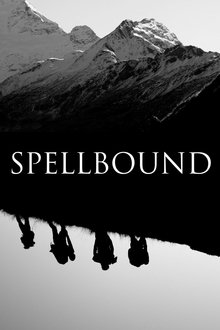
Spellbound (2020)
Wingsuit BASE jumping is often presented as a thrill seeking adrenaline rush. Spellbound takes us deeper into the more contemplative aspects of jumping, as David Walden and friends venture into the mountains around his home in New Zealand. Beautiful scenery and hypnotic cinematography eject us from our daily lives into a world of air, earth and flight.
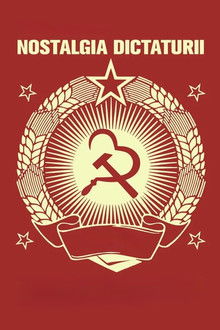
Nostalgia for Dictatorship (2020)
Several decades after the collapse of the communist system, nostalgia for the former regime has reached unimaginable proportions in almost all former communist European countries. The documentary Nostalgia for Dictatorship does not limit itself to presenting this genuine syndrome of "longing for dictatorship", but, in parallel with the opinions and motivations of ordinary citizens living in the former communist space, it advances explanations by researchers from various fields, sociologists, psychologists, political scientists, ethologists, etc., regarding the intimate motivations of such a paradoxical feeling.