The film highlights the dangers of extreme heat and the importance of staying hydrated and cool. It portrays a conversation between two friends, one of whom insists on playing basketball despite the oppressive heat. The narrative emphasizes that heat-related illnesses can be avoided by recognizing the body's signals and taking necessary precautions, such as drinking water and staying indoors. The film concludes with a report of record-breaking temperatures, underscoring the seriousness of heat exposure.
Related Movies
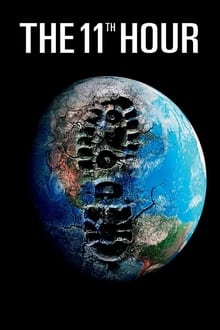
The 11th Hour (2007)
A look at the state of the global environment including visionary and practical solutions for restoring the planet's ecosystems. Featuring ongoing dialogues of experts from all over the world, including former Soviet Prime Minister Mikhail Gorbachev, renowned scientist Stephen Hawking, former head of the CIA R. James Woolse

Dancing in the Dark (2025)
A series of interviews with students living in London reveals the dangers present in the capital's nightlife.
Life in the Fast Lane (1981)
Information film about freeways, their interchanges, and driving safely on them.
Your Chance to Live: Flood (1973)
Dramatizes the plight of a young adventure seeker whose canoe is capsized by a wall of water during a flood. Shows community flood preparations, pointing out that a flood's predictability usually allows ample warning time to save lives. Designed to stimulate discussion on civil preparedness for floods
Your Chance to Live: Winter Storm (1972)
Intercuts scenes from Jack London's To build a fire with modern urban and rural winter scenes to point out the dangers of winter storms and low temperatures. Designed to stimulate discussion on civil preparedness for winter storms.
Your Chance to Live: Nuclear Disaster (1974)
Portrays the challenges of creating a film about nuclear disaster amid public apathy. It captures behind-the-scenes moments as the crew discusses the gravity of nuclear threats, the importance of preparation, and the emotional impact of a nuclear attack. The narrative emphasizes the need for individuals to take responsibility for their safety and community in the event of an attack, blending factual information with a call to action.
Your Chance to Live: Pollution (1973)
A surrealistic look at the future if man does not learn to control pollution.
Your Chance to Live: Hurricane (1972)
Released by the Defense Civil Preparedness Agency in 1972, Your Chance to Live is a series of films which cover threatening events, from forest fires, to floods, tornadoes and nuclear disasters. Hurricane tells the story of two parents who revisit the beach town where their children were killed in a violent storm the previous summer.
Your Chance to Live: An Instructor's Guide (1973)
The Defense Civil Preparedness Agency began an informational campaign in 1972 called Your Chance to Live. As part of the campaign, a series of films was released along with a companion book. Each installment covers a different disaster scenario, including tornadoes, blizzards, earthquakes, forest fires, blackouts and a nuclear disaster. The California Department of Education helped produce the films and hosted a workshop of educational professionals to discuss the best ways to present the desired emergency preparedness information to school age audiences. The process was filmed and assembled, along with clips from each production, and distributed as an Instructor's Guide in 1975.
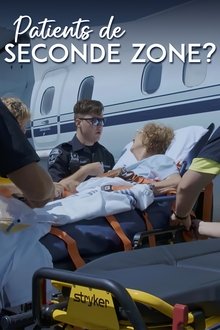
Lifesaving and Water Safety: Snorkeling Skills and Rescue Techniques (1972)
The film provides a comprehensive guide on snorkeling skills and rescue techniques, emphasizing the importance of proper equipment such as masks, snorkels, and fins. It discusses how to choose the right mask for comfort and fit, the proper use of snorkels, and techniques for clearing water from both masks and snorkels. The film also covers essential skills for entering the water safely, practicing buddy systems during snorkeling, and techniques for locating and rescuing submerged victims. It highlights the need for training and emphasizes that while these skills are crucial for rescue, they do not replace the need for a full certified course in skin diving.
Safety on the Move: Track Haulage Safety (1982)
Focuses on an open-pit mining operation. Shows huge haulage trucks, pointing out existing and potential hazards involved in their operation. Re-enacts common accidents, explains their causes and outlines the steps necessary to prevent their re-occurrence.
Suddenly...And Without Warning (1971)
Coast Guard film about the importance of life jackets. Stresses safety in boating and shows how boating accidents can happen.
The Mystery Crash (1974)
“The Mystery Crash” discusses the dangers of drinking and driving especially as it pertains to the seemingly harmless “social drinker.” This film was produced by Jack Lieb Productions Inc, Chicago and sponsored by the National Safety Council. It is part of a series of films, with each episode describing a different element of driving and road safety.
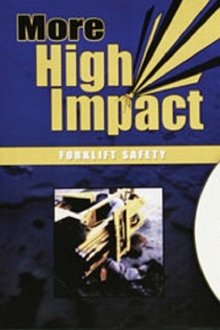
More High Impact Forklift Safety (2004)
With graphic re-enactments of industrial accidents, the More High Impact Forklift Safety Video gives viewers a scared-straight lesson on the importance of forklift safety. This forklift video is great for training your forklift operators on accident awareness and prevention.
Shake Hands with Danger (1980)
This short cautionary training film examines dangers associated with earthmoving equipment operation, showing many simulated accidents on construction sites.
Public Shelter Supplies: What Does The Government Supply (1963)
Training film for shelter managers. Food, water, sanitation, medical, and radiation detection systems are explained.
Information Program Within Public Shelters (1963)
This Cold War film "Information Within Public Shelters" (1953) takes place in a fallout shelter, showing how a well-trained staff that provides information to shelter occupants, can keep them busy and calm during nuclear armageddon. This film was produced as the U.S. Government began to shift from promoting privately-owned "family" fallout shelters to the concept of large, public shelters.