For over 100 years, Hollywood cinema has crafted the ultimate "villain"- the Indian, as they were labeled in early Westerns. Confined almost exclusively to this genre, the Western became a vehicle for American racism, obscuring the genocide upon which the United States was built. In this documentary, only Native Americans are given a voice to share their story, one that has been overshadowed by Hollywood's portrayal. Their narrative, part of the larger American story, highlights how cinema has long been used as a powerful propaganda tool, distorting history and perpetuating harmful stereotypes.
Related Movies
Cult People (1989)
In interviews, various actors and directors discuss their careers and their involvement in the making of what has come to be known as "cult" films. Included are such well-known genre figures as Russ Meyer, Curtis Harrington, Cameron Mitchell and James Karen.
Confessions of a CEO: My Life in an Out-of-Balance World (2025)
A bare-knuckled critique of corporate America told through the powerful true story of a toxic CEO who evolves from a profits-over-people, philandering executive to an unorthodox leader, populist messenger, and mentor to American influencers. It’s a story of growth, redemption and the impact of self-awareness on leadership and life.
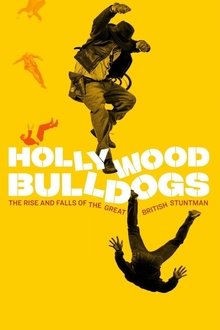
Hollywood Bulldogs: The Rise and Falls of the Great British Stuntman (2021)
They created and performed the iconic action sequences of 007, Indiana Jones, Superman, Rambo, Star Wars, Conan, the Alien films and pretty much everything since. They crashed cars, jumped from burning buildings, shot, stabbed, kicked and punched their way into cinema history. This is the first feature documentary to unite the legendary community of stuntmen in telling their story and, as you'll see, there's life in the old dogs yet.

Dresden Story (1954)
People are interviewed in Dresden, Ontario, to sample local attitudes towards racial discrimination against black people that brought this town into the news. After a round-up of the opinions of individual citizens, white and black, commentator Gordon Burwash joins two discussion panels, presenting opposite points of view. The rights and wrongs of the quarrel are left for the audience to decide.
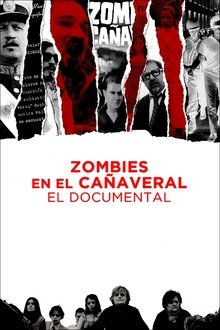
Zombies in the Sugar Cane Field: The Documentary (2019)
Tucumán, Argentina, 1965. Three years before George A. Romero's Night of the Living Dead was released, director Ofelio Linares Montt shot Zombies in the Sugar Cane Field, which turned out to be both a horror film and a political statement. It was a success in the US, but could not be shown in Argentina due to Juan Carlos Onganía's dictatorship, and was eventually lost. Writer and researcher Luciano Saracino embarks on the search for the origins of this cursed work.
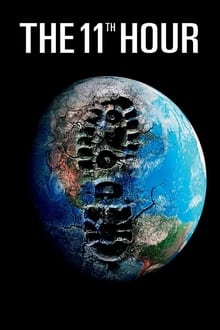
The 11th Hour (2007)
A look at the state of the global environment including visionary and practical solutions for restoring the planet's ecosystems. Featuring ongoing dialogues of experts from all over the world, including former Soviet Prime Minister Mikhail Gorbachev, renowned scientist Stephen Hawking, former head of the CIA R. James Woolse

End of the Commune? (1970)
A documentary about Fassbinder and the early years of the legendary Antiteater, the group he was a member/leader of. You can here see and hear some of the actors he was going to use in his movies for the next years. The movie shows rehearsals for his play "The Coffeehouse," which also became a television movie, and you can watch unique footage from the 19th Film Festival in Berlin (1969) where "Love is Colder Than Death" was shown. As told in this documentary, his first feature movie was given a cold shoulder by many of the journalists and visitors at the festival. You can in "End of the Commune" watch Fassbinder and actor Ulli Lommel walk out on stage after the opening of "Love is Colder Than Death,” while a man in the audience is shouting "Out with the director!” In this documentary, Fassbinder also talks a lot about his father, who was a respectable doctor.
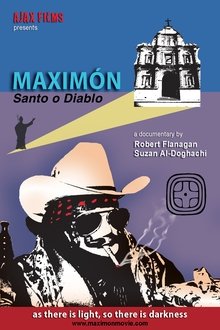
Maximón: Devil or Saint (2014)
MAXIMÓN - Devil or Saint is a documentary about the controversial Maya deity, also known as San Simon or the drinking and smoking saint of Guatemala. He is a mixture of ancient Maya beliefs and Christianity. The movie concentrates on the people who surround Maximón with their strong personalities, opinions and faith. The documentary gives us a rare view into the rituals and fiestas honoring Maximón. The cult of Maximón is flourishing because he performs miracles. He is also feared and despised because he is used to cast curses that can result in death. Ultimately, Maximón transcends the duality of good and evil, reflecting the Maya cosmovision in which everything in the universe co-exists.

The Rebellious Olivia de Havilland (2021)
The legendary British-American actress Olivia de Havilland (1916-2020), who conquered Hollywood in the thirties, challenged the film industry when, in 1943, she took on the all-powerful producer Jack Warner in court, forever changing the ruthless working conditions that restricted the essential rights and freedom of artists.
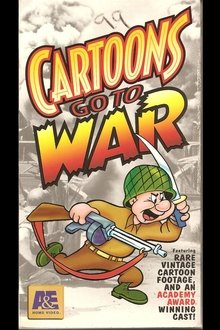
Cartoons Go To War (1996)
This remarkable documentary dedicates itself to an extraordinary chapter of the second World War – the psychological warfare of the USA. America’s trusted cartoon darlings from the studios of Warner Bros., Paramount, and the “big animals” of the Disney family were supposed to give courage to the people at the homefront, to educate them, but also to simultaneously entertain them. Out of this mixture grew a genre of its own kind – political cartoons. Insightful Interviews with the animators and producers from back then elucidate in an amusing and astonishing way under which bizarre circumstances these films partially came into existence.


You Are Not Alone: Fighting the Wolf Pack (2024)
Through key testimonies, this documentary looks at a gang rape that took place during the 2016 San Fermín festival and sparked protests worldwide.
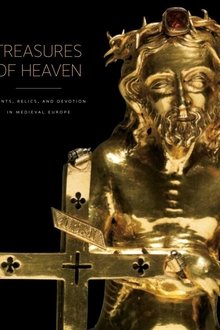
Treasures of Heaven (2011)
Andrew Graham-Dixon explores the ancient Christian practice of preserving holy relics and the largely forgotten art form that went with it, the reliquary. Fragments of bone or fabric placed inside a bejewelled shrine, a sculpted golden head or even a life-sized silver hand were, and still are, objects of religious devotion believed to have the power to work miracles. The documentary features interviews with art historian Sister Wendy Beckett and Neil MacGregor, director of the British Museum.
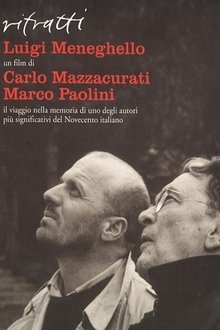
Ritratti: Luigi Meneghello (2002)
Marco Paolini interviews Luigi Meneghello about growing up under fascism, his involvement with the Italian resistance movement, his later self-exile, acclaimed literary work and its relationship with dialect.

Inchiodato (2005)
In northern Albania, ancestral customs still exist, governing the laws of vendetta between families. Sometimes, for generations, an old feud has pitted two clans against each other, condemning them to take turns murdering a member of the opposing family. This blood code, known as the Kanoun, has painful consequences for many Albanians, who are condemned to live in seclusion to avoid being killed.
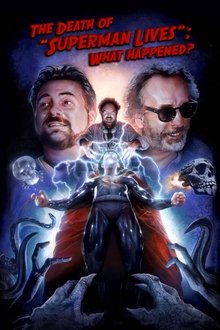
The Death of "Superman Lives": What Happened? (2015)
The Death of 'Superman Lives': What Happened? feature film documents the process of development of the ill fated "Superman Lives" movie, that was to be directed by Tim Burton and star Nicolas Cage as the man of steel himself, Superman. The project went through years of development before the plug was pulled, and this documentary interviews the major filmmakers: Kevin Smith, Tim Burton, Jon Peters, Dan Gilroy, Colleen Atwood, Lorenzo di Bonaventura and many many more.