This film takes us into the harsh realm of BC's early coal mines, canneries, and lumber camps; where primitve conditions and speed-ups often cost lives. Then, the film moves through the unemployed' struggles of the '30s, post WWII equity campaigns, and into more recent public sector strikes over union rights.
Related Movies
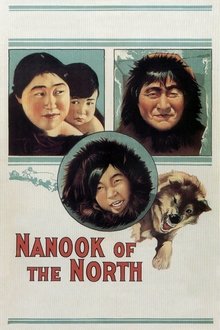
Nanook of the North (1922)
This pioneering documentary film depicts the lives of the indigenous Inuit people of Canada's northern Quebec region. Although the production contains some fictional elements, it vividly shows how its resourceful subjects survive in such a harsh climate, revealing how they construct their igloo homes and find food by hunting and fishing. The film also captures the beautiful, if unforgiving, frozen landscape of the Great White North, far removed from conventional civilization.
Asunder (2016)
Esther Johnson’s film uses local archive footage to convey the story of Sunderland's involvement in the First World War, from the men who fought in the fields to those who stayed behind to work in the region’s shipyards and munitions factories.
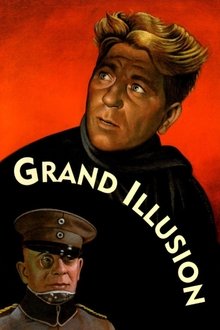
Grand Illusion (1937)
A group of French soldiers, including the patrician Captain de Boeldieu and the working-class Lieutenant Maréchal, grapple with their own class differences after being captured and held in a World War I German prison camp. When the men are transferred to a high-security fortress, they must concoct a plan to escape beneath the watchful eye of aristocratic German officer von Rauffenstein, who has formed an unexpected bond with de Boeldieu.

Lawrence of Arabia (1962)
During World War I, English officer Thomas Edward 'T.E.' Lawrence sets out to unite and lead the diverse, often warring, Arab tribes to fight the Turks.

The Zeppelin Raids on London and the Siege of Verdun (1916)
This lost WWI documentary appears to be about the German zeppelin attacks on Londonon September 2nd, 1916.
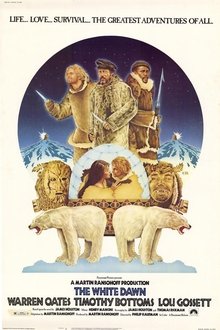
The White Dawn (1974)
In 1896, three survivors of a whaling ship-wreck in the Canadian Arctic are saved and adopted by an Eskimo tribe but frictions arise when the three start misbehaving.
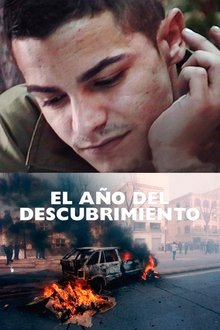
The Year of the Discovery (2020)
In 1992 – 500 years after the beginning of Spain's global empire with the discovery of America – Spain proudly presented itself to the international community as a modern, developed, dynamic country through the Olympic Games in Barcelona and the Expo in Seville. But for filmmaker Luis López Carrasco (1981, Murcia), 1992 was also the year in which the regional parliament building in Cartagena was razed during furious protests against the threatened closure of various local industries. El año del descubrimiento revives this almost forgotten history in a typical Spanish bar in Cartagena, where different generations come together to drink, eat, smoke and talk. Stories from witnesses, demonstrators and strikers from back then and discussions among younger café visitors on themes such as class consciousness, the economic crisis and the role of unions percolate to the surface amidst talk of other life issues.
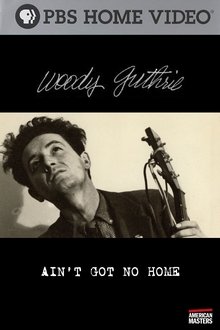
Woody Guthrie: Ain't Got No Home (2006)
Every American who has listened to the radio knows Guthrie's "This Land Is Your Land." The music of the folk singer/songwriter has been recorded by everyone from the Mormon Tabernacle Choir to U2. Originally blowing out of the Dust Bowl in Depression-era America, he blended vernacular, rural music and populism to give voice to millions of downtrodden citizens. Guthrie's music was politically leftist, uniquely patriotic and always inspirational.

Honour to Senator Murray Sinclair (2021)
Murray Sinclair's acceptance speech for an award in honor of his role as chair of the Truth and Reconciliation Commission of Canada, intercut with the testimonies of survivors of the Indian residential school system.
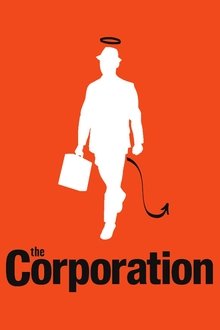
The Corporation (2003)
Since the late 18th century American legal decision that the business corporation organizational model is legally a person, it has become a dominant economic, political and social force around the globe. This film takes an in-depth psychological examination of the organization model through various case studies. What the study illustrates is that in the its behaviour, this type of "person" typically acts like a dangerously destructive psychopath without conscience. Furthermore, we see the profound threat this psychopath has for our world and our future, but also how the people with courage, intelligence and determination can do to stop it.
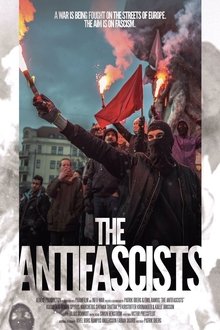
The Antifascists (2017)
A low-intensity war is being fought on the streets of Europe and the aim is on fascism. This critically acclaimed documentary takes us behind the masks of the militants called antifascists. In 2013 a group of armed nazis attacks a peaceful demonstration in Stockholm where several people are injured. In Greece the neo-nazi party Golden Dawn becomes the third largest in the election and in Malmö the activist Showan Shattak and his friends are attacked by a group of nazis with knives and he ends up in a coma. In this portrait of the antifascists in Greece and Sweden we get to meet key figures that explain their view on their radical politics but also to question the level their own violence and militancy.
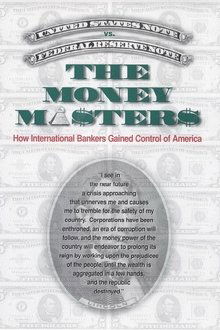
The Money Masters (1996)
A documentary that traces the origins of the political power structure that rules our nation and the world today. The modern political power structure has its roots in the hidden manipulation and accumulation of gold and other forms of money.
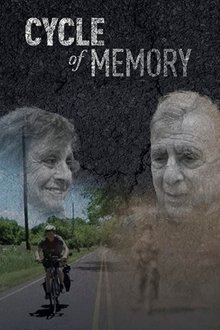
Cycle of Memory (2022)
Mel Schwartz escaped the Great Depression on a bicycle adventure he'd remember for the rest of his life... until Mel lost his memory to Alzheimer's. Now over seventy-five years later, his grandchildren set out to recreate his life-changing journey and find those memories before they slip away. Cycle of Memory explores the importance of intergenerational connection, healing painful pasts, and leaving a meaningful time capsule for the future.
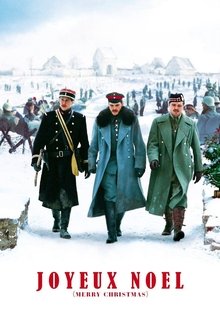
Joyeux Noel (2005)
France, 1914, during World War I. On Christmas Eve, an extraordinary event takes place in the bloody no man's land that the French and the Scots dispute with the Germans…
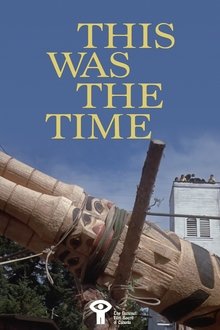
This Was the Time (1970)
When Masset, a Haida village in Haida Gwaii (formerly known as the Queen Charlotte Islands), held a potlatch, it seemed as if the past grandeur of the people had returned. This is a colourful recreation of Indigenous life that faded more than two generations ago when the great totems were toppled by the missionaries and the costly potlatch was forbidden by law. The film shows how one village lived again the old glory, with singing, dancing, feasting, and the raising of a towering totem as a lasting reminder of what once was.
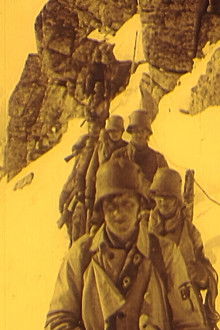
Heroes' War in Snow and Ice (1917)
Heroic Struggle in Snow and Ice is a 1917 Austro-Hungarian propaganda newsreel film produced by Sascha-Film for the Imperial and Royal War Press Headquarters. The film is hand-colored and presented in two parts. It depicts the fighting on the Alpine Front between Italy and Austria-Hungary.
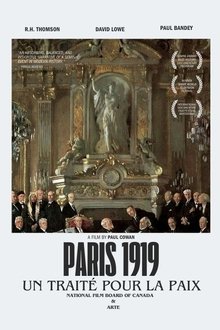
Paris 1919: Un traité pour la paix (2009)
The last shots had been fired in the First World War — but peace had yet to be made. Inspired by Margaret MacMillan’s acclaimed work of popular history, Paris 1919 takes us inside the most ambitious peace talks in history, revisiting the event with a vivid sense of narrative. Evoking a pivotal moment when peace seemed possible, director Paul Cowan reflects upon the hard-learned lessons of history.
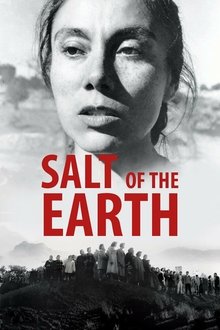
Salt of the Earth (1954)
At New Mexico's Empire Zinc mine, Mexican-American workers protest the unsafe work conditions and unequal wages compared to their Anglo counterparts. Ramon Quintero helps organize the strike, but he is shown to be a hypocrite by treating his pregnant wife, Esperanza, with a similar unfairness. When an injunction stops the men from protesting, however, the gender roles are reversed, and women find themselves on the picket lines while the men stay at home.