Time passes, slips away, dissolves. But what if we could hold it for a moment? "Capturing Memories" is a dive into the essence of the inconsistent, an invitation to reflect on the importance of preserving moments before they are lost in oblivion. Through visual fragments, the documentary reveals how small scenes of everyday life carry echoes of the past and seeds of the future. In a world where everything passes, what really remains? This film is a tribute to the art of immortalizing the moment, to the beauty of seeing beyond the present and to the need to give meaning to what may one day become a memory.
Related Movies
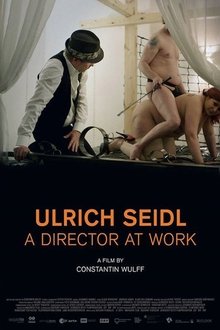
Ulrich Seidl - A Director at Work (2014)
This cinematic portrait shows the Austrian filmmaker Ulrich Seidl at work. The much-discussed ‘Seidl method’ is conveyed here vividly and directly: The camera watches over Seidl’s shoulder during the filming of his new production IM KELLER, and observes him at the rehearsals for his latest theatre production ‘Böse Buben / Fiese Männer’. The film paints the picture of a fascinating and exceptional artist using a combination of extensive interviews and excerpts from earlier works.
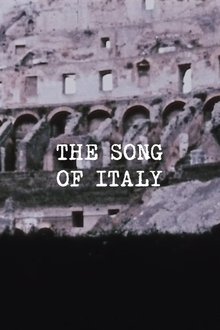
The Song of Italy (1967)
Filmed during Jonas Mekas’s travels through Italy in 1967, this short captures scenes from the country’s cities and countryside. The footage was later included in his 2003 compilation film Travel Songs (1967–1981).

American Moon (2017)
Has man really been to the moon? It’s been 50 years, and the debate rages on. For the firs time, a film compiles in a single piece of work, all the best evidence in favor of the moon landings and the evidence contrary to them. For the first time we can also analyze the Apollo pictures in detail, with the aid of some among the top photographers in the world. What was the Apollo project really? The biggest achievement in the history of mankind, or the biggest fakery of all times, watched on live television by more than half a billion people?
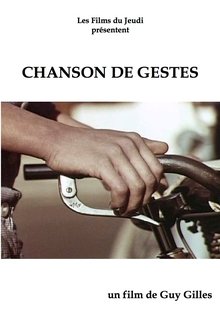
Chanson de gestes (1966)
Choreography of familiar gestures that the author was able to spice up with a peculiar and original perspective.
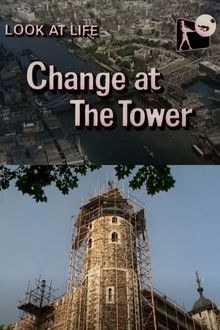
Look at Life: Change at the Tower (1967)
A look at the day-to-day running of the historic Tower of London and coping with up to 16,000 visitors each day. A stunning display of the Crown Jewels.
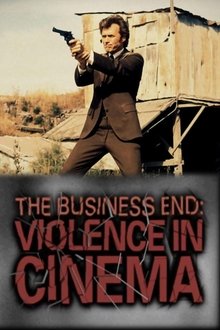
The Business End: Violence in Cinema (2008)
An unflinching look at the ongoing debate on violence in movies and its effect on the audience.
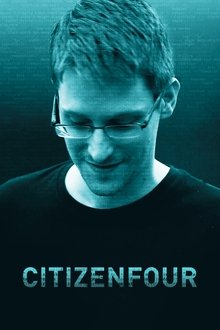
Citizenfour (2014)
In June 2013, Laura Poitras and reporter Glenn Greenwald flew to Hong Kong for the first of many meetings with Edward Snowden. She brought her camera with her.
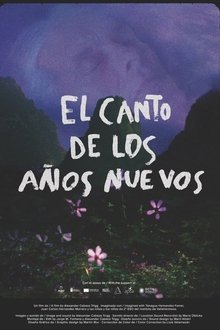
The Song of the Years to Come (2024)
On the island of La Gomera, children imagine stories while they examine archeological remains. An ethno-fictional journey in which past and present coalesce, creating resonances between the volcanic landscape and Silbo, the whistled language of the island.
The Irreversible Odyssey (2019)
The Irreversible Odyssey is a retrospective documentary featuring interviews with Gaspar Noé, actors Monica Bellucci, Vincent Cassel and Albert Dupontel.
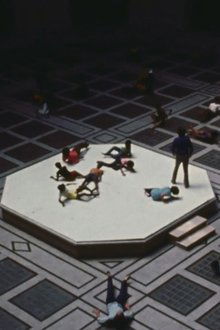
Statues Hardly Ever Smile (1971)
Edited by famed filmmaker Kathleen Collins, Statues Hardly Ever Smile follows a group of middle school children during a six-week project at the Brooklyn Museum, where they collectively discover and respond to the Egyptian collection. With narration by a member of the museum’s education department, we witness the group’s daily exercises and reflections as they create a theatre piece centered on the relationships developed with the objects and each other.

The Irishman: In Conversation (2019)
Martin Scorsese, Robert De Niro, Joe Pesci, and Al Pacino in conversation about The Irishman.
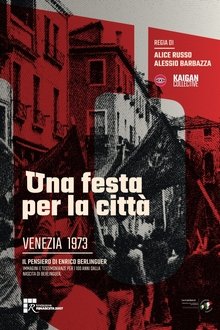
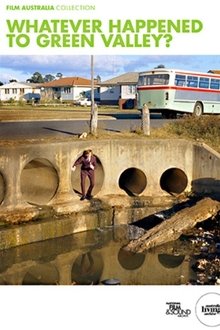
Whatever Happened To Green Valley? (1974)
Green Valley was a housing commission estate in western Sydney, much maligned by the media of the day. The residents were hurt by the criticism but lacked access to the media to respond. Supplied with equipment by Film Australia, they used this film to present a different image of themselves and their daily lives. In so doing, they answered the question of "Whatever happened to Green Valley?" The core of this film is the work of half a dozen residents, co-ordinated by acclaimed filmmaker Peter Weir in one of his earliest film projects. Weir also acts as the moderator at a public forum that is included in the film.
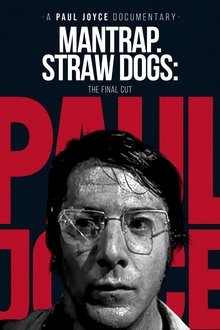
Mantrap – Straw Dogs: The Final Cut (2003)
Documentary about the making of Sam Peckinpah's 1971 film "Straw Dogs."
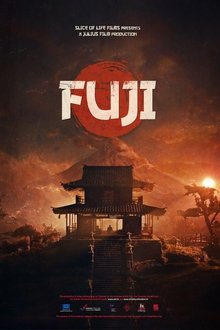
Fuji (2021)
A short documentary about the former judoka Marina and her Judo Club for People with Disabilities - "Fuji". Its brave members cope with all things Judo and real-life challenges, but always with a smile and the heart of a true judoka.


The Golden Thread (2022)
In the heyday of the jute industry, millions of people in Bengal made their living doing this laborious work, which has hardly changed since the industrial revolution. The 100-year-old machinery has been endlessly repaired. State aid kept this sustainable alternative to plastic going, but its future looks bleak.
Masturbation Conversations (2022)
This documentary features candid studio conversations with people of diverse backgrounds from the Erika Lust community. They share personal experiences with self-pleasure, exploring why they masturbate, how their views have evolved, and what they were taught growing up.