An intimate portrait of a unique sportswoman in extreme life roles. Mother of three adopted children, world and European champion in fitness and record holder on long distances throughout Slovakia. Soňa Kopčoková is a former professional fitness athlete with the titles of World and European Champion. After the end of her elite sporting career, she devoted herself fully to her family until she discovered that she loves long-distance running in the mountains. And so today she fulfils her dreams in the hills, running often only by herself... On June 16, 2021, she reached Devín after 11 days, 15 hours and 30 minutes in a new Slovak women's record on the SNP Heroes' Route route. From Dukla to Bratislava, she ran alone, without support and with only a single backpack where she carried everything, she needed to survive...
Related Movies

Without Legends (1967)
In 1968 Herz Frank made Without Legends (Bez leģendām) at the Kuibishev studios, together with Aloizs Brenčs and Aleksandr Sazhin.
Castles in the Sand (1968)
One of the highest achievements of the new wave of Kirghiz cinema, which emerged in the mid-1960s. This story of a boy building sandcastles on the shores of the Issyk-Kul Lake becomes a documentary parable on the tensions between an artist and society.
Your Very Personal Poetry (1982)
This poetic core in youngsters is also touched in Stanukina's less known Your very personal poetry (Свои, совсем особые стихи, 1982), a wonderful film about a poetry class. It is here that one recalls Kogan's admiration of Lyalya's emotional documentary skills. And it is here that one recalls Kosakovsky's depiction of Lyalya as a person of extraordinarily prosperous feelings, sensitive and energetic, childish and female, shrill and quiet. The young poets are marvellously sneaky, respectfully adoring and creatively playing with - maybe even deconstructing - "Aleksandr Sergeevich", Mr. Pushkin, Russia's exclusive trade mark of high culture and literature.
Forty Steps (1968)
Movie-lesson observations in the classroom teacher of the Leningrad Conservatory honored artist of the RSFSR N..The Serval. Forty physical steps from the Leningrad Conservatory to the Kirov (Mariinsky) theatre - the way of the artist, overcome, physically and emotionally exhausting rehearsals. Great camera work.
Whoever has the Best Bread (1980)
A film about a simple village woman Zinaida Zvereva who married a disabled frontline soldier and lay all the hardships of living together onto herself

The Horse Walker (1969)
The film tells a story of Kosynka, a pregnant mare, and her owner, a battered old man. Kosynka leads the “horse walker,” designed to train young horse to walk steadily and at a pace. Set to a soundtrack of Bach and Russian folk music, this film is another example of a parable-like narrative, which became more popular in Soviet documentary in the early 1970s.
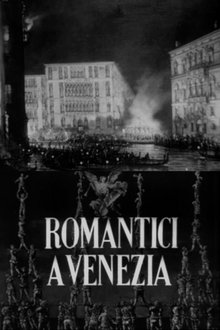
Romantici a Venezia (1948)
This is a documentary film on the romantic and decadent atmosphere of Venice at the end of the 18th century. A vigorous comment by Jean Cocteau tells us of the sick souls and the sorrows of literary characters and musicians who lived the dream of this city. It is the Venice of Lord Byron, Alfred de Musset, George Sand, d'Annunzio; a Venice made of precious images, palaces reflected in the water, mysterious moonlights, little squares where unhappy lovers wander under the music of Richard Wagner.
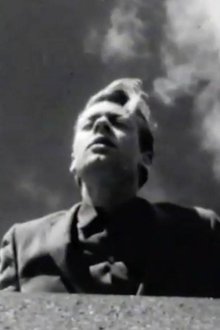
The Sound of Seeing (1963)
Made on a wind-up Bolex camera, The Sound of Seeing announced the arrival of 21-year-old filmmaker Tony Williams. Based around a painter and a composer wandering the city (and beyond), the film meshes music and imagery to show the duo taking inspiration from their surroundings.
Coronavirus (2020)
Struggling with fear, tension, and anxiety amid the early stages of the COVID-19 pandemic, a high school student reflects upon what really matters.

XY Anatomy of a Boy (2009)
Can you be a virgin, gay and into girls? This film is an intimate study of six homosexual boys. In the changing room some of the uncertainties and embarrassment's of youth emerge, such as the tale of hunky Peter, romance and the naff value of losing your virginity during a Disney movie.
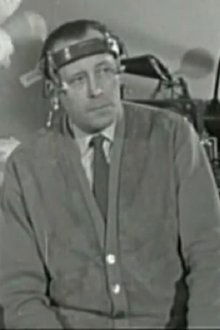
Wann ist der Mensch betrunken? (1957)
In order to determine the ability to drive after drinking alcohol, three men take various tests when sober and when drunk.
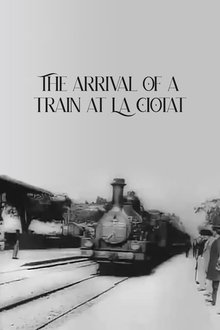
The Arrival of a Train at La Ciotat (1896)
A group of people are standing along the platform of a railway station in La Ciotat, waiting for a train. One is seen coming, at some distance, and eventually stops at the platform. Doors of the railway-cars open and attendants help passengers off and on. Popular legend has it that, when this film was shown, the first-night audience fled the café in terror, fearing being run over by the "approaching" train. This legend has since been identified as promotional embellishment, though there is evidence to suggest that people were astounded at the capabilities of the Lumières' cinématographe.

Mustapha El Atrassi - La Vie Est Folle (2020)
Immersion in Mustapha's mind during the lockdown period.