The Newlyn School of artists flourished at the beginning of the 20th Century and the film focuses on the wild and bohemian Lamorna Group, which included Alfred Munnings and Laura and Harold Knight. The incendiary anti-Modernist Munnings, now regarded as one of Britain's most sought-after artists, is at the centre of the complex love triangle, involving aspiring artist Florence Carter-Wood and Gilbert Evans, the land agent in charge of the Lamorna Valley estate. True - and deeply moving - the story is played out against the timeless beauty of the Cornish coast, in the approaching shadow of The Great War.
Related Movies
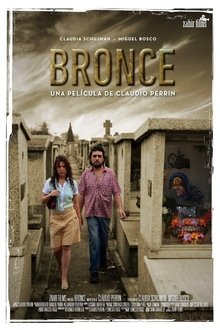
Bronce (2019)
Years after the death of their parents, two stepbrothers reunite to steal bronze epitaphs from cemeteries, but not even the loot can redeem or remedy the impossible.
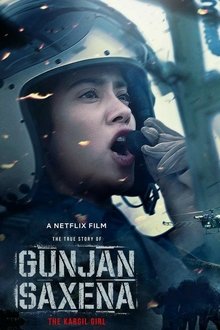
Gunjan Saxena: The Kargil Girl (2020)
Inspired by the life of a fearless young officer who made history by becoming the first Indian female Air Force officer to fly in a combat zone during the 1999 Kargil War
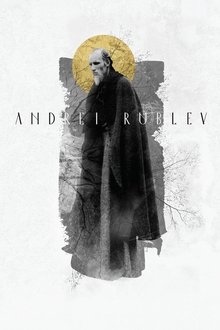
Andrei Rublev (1966)
An expansive Russian drama, this film focuses on the life of revered religious icon painter Andrei Rublev. Drifting from place to place in a tumultuous era, the peace-seeking monk eventually gains a reputation for his art. But after Rublev witnesses a brutal battle and unintentionally becomes involved, he takes a vow of silence and spends time away from his work. As he begins to ease his troubled soul, he takes steps towards becoming a painter once again.
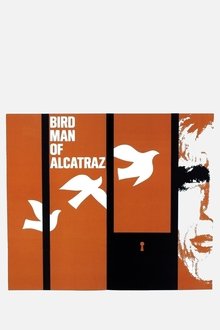
Birdman of Alcatraz (1962)
After killing a prison guard, convict Robert Stroud faces life imprisonment in solitary confinement. Driven nearly mad by loneliness and despair, Stroud's life gains new meaning when he happens upon a helpless baby sparrow in the exercise yard and nurses it back to health. Despite having only a third grade education, Stroud goes on to become a renowned ornithologist and achieves a greater sense of freedom and purpose behind bars than most people find in the outside world.
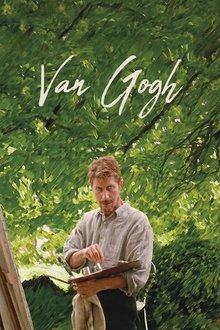
Van Gogh (1991)
After leaving the asylum, Vincent van Gogh settles in the home of Doctor Gachet, where he keeps painting amidst the torments of his failing mental health. He begins an affair with his host’s daughter, however, she soon realizes that he doesn’t love her and that his heart beats only for art.
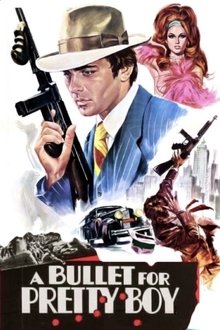
A Bullet for Pretty Boy (1970)
A biography of Charles "Pretty Boy" Floyd, a gangster who started his career at a young age after seeking revenge for his father's murder.
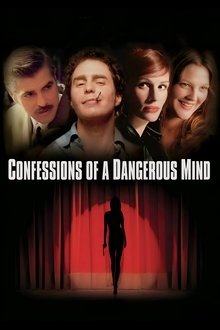
Confessions of a Dangerous Mind (2002)
Television made him famous, but his biggest hits happened off screen. Television producer by day, CIA assassin by night, Chuck Barris was recruited by the CIA at the height of his TV career and trained to become a covert operative. Or so Barris said.
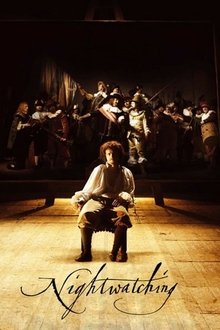
Nightwatching (2007)
An extravagant, exotic and moving look at Rembrandt's romantic and professional life, and the controversy he created by the identification of a murderer in the painting The Night Watch.
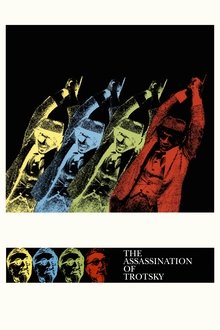
The Assassination of Trotsky (1972)
A Stalinist assassin tracks exiled revolutionary Leon Trotsky to Mexico in 1940.
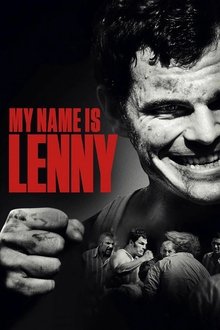
My Name Is Lenny (2017)
The life story of one of Britain's most notorious bare-knuckle fighters, Lenny McLean, also known as "The Guv'nor".
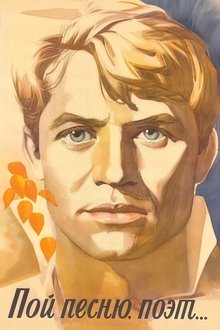
Sing a Song, Poet (1973)
About the life and work of the poet Sergei Yesenin, his connection with his native country, its people and nature. Childhood, love, painful searches for his place in the new, revolutionary Russia — everything found a place in Yesenin's lyrics. Frames illustrating Yesenin's poetry and poems are side by side in the film with episodes of the poet's biography: the film reflects the days of his stay in America, World War I, revolution and village round dances, a daring uncle, a wise mother...
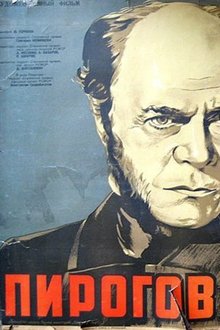
Pirogov (1947)
A biopic based on the life of Russian scientist and doctor Nikolai Ivanovich Pirogov (1810-1881), famous for being the founder of field surgery.
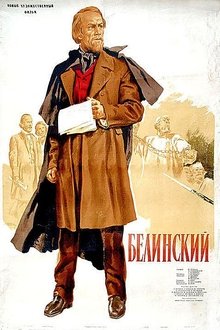
Belinsky (1953)
A biopic based on the life of Russian literary critic Vissarion Belinsky (1811–1848). The production of the film was completed in 1951, but it was not released until 1953, following the reshooting of various scenes demanded by Stalin.
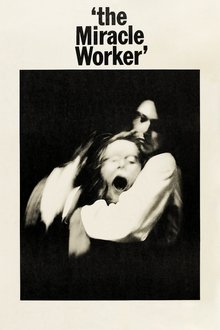
The Miracle Worker (1962)
The true story of the frightening, lonely world of silence and darkness of 7-year-old Helen Keller who, since infancy, has never seen the sky, heard her mother's voice or expressed her innermost feelings. Then Annie Sullivan, a 20-year-old teacher from Boston, arrives. Having just recently regained her own sight, the no-nonsense Annie reaches out to Helen through the power of touch, the only tool they have in common, and leads her bold pupil on a miraculous journey from fear and isolation to happiness and light.
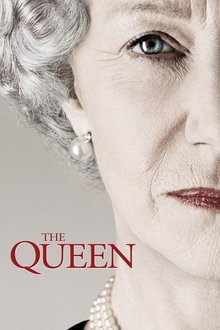
The Queen (2006)
The Queen is an intimate behind the scenes glimpse at the interaction between HM Elizabeth II and Prime Minister Tony Blair during their struggle, following the death of Diana, to reach a compromise between what was a private tragedy for the Royal family and the public's demand for an overt display of mourning.
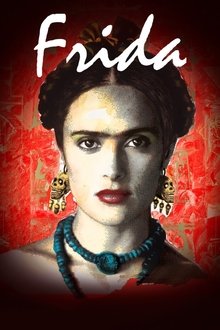
Frida (2002)
A biography of artist Frida Kahlo, who channeled the pain of a crippling injury and her tempestuous marriage into her work.
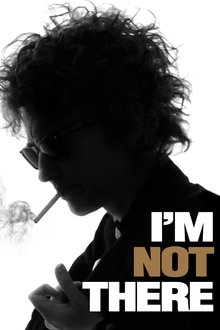
I'm Not There (2007)
Six actors portray six personas of music legend Bob Dylan in scenes depicting various stages of his life, chronicling his rise from unknown folksinger to international icon and revealing how Dylan constantly reinvented himself.
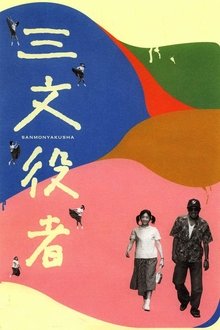
By Player (2000)
The film is a series of vignettes from Taiji Tonoyama's life and film clips, interspersed with a dialogue to camera by Nobuko Otowa, addressing the camera as if she is addressing Tonoyama himself, recollecting events in his life. The film focuses on Tonoyama's alcohol dependence and his various sexual relationships, as well as his film work with Shindo.
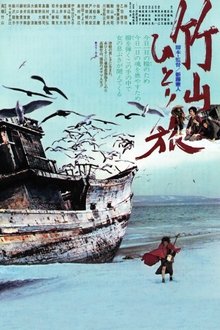
The Life of Chikuzan (1977)
After over 50 years of wandering up and down Japan, finally in the 1970s, the rough-hewn blind shamisen player and folk-song collector named Takahashi Chikuzan became a musical sensation. This biographical drama chronicles his wanderings and his life, with a particular focus on his humble beginnings as a peasant on a remote and arid island.
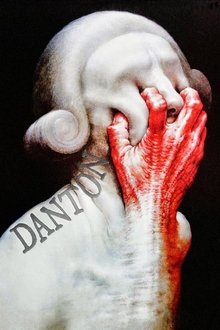
Danton (1983)
Danton and Robespierre were close friends and fought together in the French Revolution, but by 1793 Robespierre was France's ruler, determined to wipe out opposition with a series of mass executions that became known as the Reign of Terror. Danton, well known as a spokesman of the people, had been living in relative solitude in the French countryside, but he returned to Paris to challenge Robespierre's violent rule and call for the people to demand their rights. Robespierre, however, could not accept such a challenge, even from a friend and colleague, and he blocked out a plan for the capture and execution of Danton and his allies.