With a dual motion a cruise ship and a fishing boat pass one another on the Nile and butlers in turbans set up a wooden gangway. Thanks to a rope and pulley system cows climb skywards then disappear into the hold of the sailing vessel. On the bank, black-haired women rock back and forth, bursting out laughing and showing the first signs of going into a state of trance. Never-before filmed gestures and faces of the people of the Nile succeed one another, uprooted to an unknown, magical world. The Banks of the Nile is one of the first experiments of film in colour that uses the Kinemacolor process.
Related Movies
in the name of tradition (2013)
The destiny of women is irrevocably linked to blood. Between tradition and modernity, the female body has been marketed, honored, and mutilated.

A Sociedade Anonyma Fábrica Votorantim (1922)
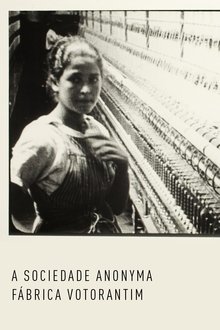
Produced in 1922, this 9-part silent documentary is an important document of the beginnings of industrialization in Brazil and the conditions of workers at the time.
Mechanical Principles (1930)
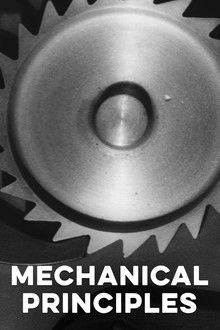
Close up we see pistons move up and down or side to side. Pendulums sway, the small parts of machinery move. Gears drive larger wheels. Gears within gears spin. Shafts turn some mechanism that is out of sight. Screws revolve and move other gears; a bit rotates. More subtle mechanisms move other mechanical parts for unknown purposes. Weights rise and fall. The movements, underscored by sound, are rhythmic. Circles, squares, rods, and teeth are in constant and sometimes asymmetrical motion. These human-made mechanical bits seem benign and reassuring.
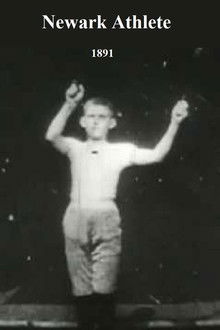
Newark Athlete (1891)
Experimental film fragment made with the Edison-Dickson-Heise experimental horizontal-feed kinetograph camera and viewer, using 3/4-inch wide film.
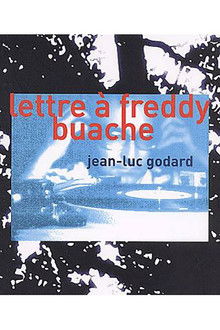
A Letter to Freddy Buache (1983)
This short film is Godard’s message to the people of Lausanne, specifically journalist and critic Freddy Buache, addressing his reasons why he will not make a film about their town’s 500th anniversary. Rather than cynical or defensive, Godard's bemused narration of the footage of Lausanne is imaginative and even playful, a rumination on cinema's possibilities.
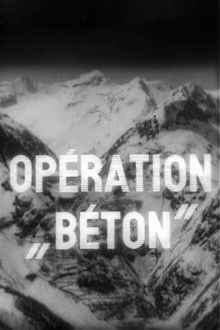
Operation Concrete (1958)
Godard returned to Paris briefly before getting a job as a construction worker on a dam project in Switzerland. With the money from the job, he made a short film about the building of the dam called Opération béton (Operation Concrete).
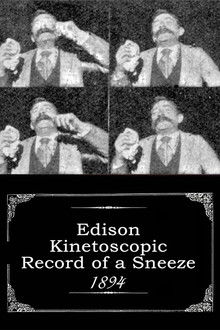
Edison Kinetoscopic Record of a Sneeze (1894)
A man (Thomas Edison's assistant) takes a pinch of snuff and sneezes. This is one of the earliest Thomas Edison films and was the second motion picture to be copyrighted in the United States.
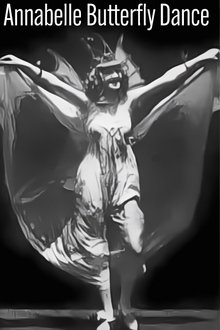
Annabelle Butterfly Dance (1894)
Annabelle (Whitford) Moore performs one of her popular dances. For this performance, her costume has a pair of wings attached to her back, to suggest a butterfly. As she dances, she uses her long, flowing skirts to create visual patterns.
Giant Coal Dumper (1897)
“Shows how a full carload of coal is loaded onto a vessel every thirty seconds at the great Erie Railroad Docks, Cleveland, Ohio. Great clouds of coal dust rise as each car is unloaded.”
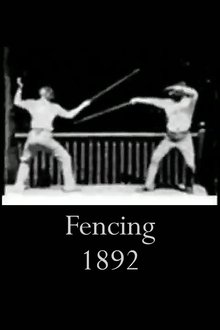
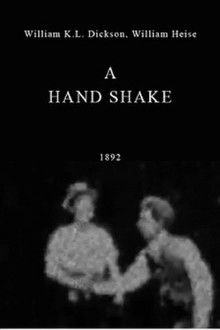
A Hand Shake (1892)
William K.L. Dickson and William Heise shake hands in this early experimental film.
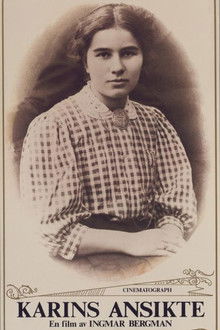
Karin's Face (1986)
This short film assembles still photographs from Ingmar Bergman’s personal family albums, concentrating on portraits of his mother, Karin, from childhood through adulthood. The images are arranged in chronological order and set to a piano score by Käbi Laretei, with no spoken narration.
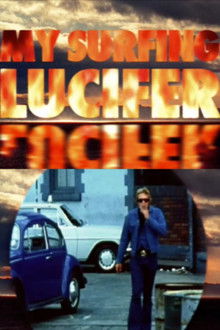
My Surfing Lucifer (2007)
Using found footage, we're introduced to the short life of Bunker Spreckels, Clark Gable's stepson and surfing legend.
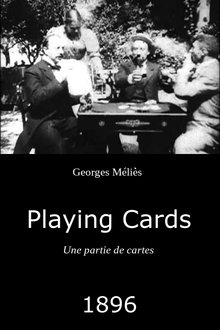
Playing Cards (1896)
Three friends are playing cards in a beer garden. One of them orders drinks. The waitress comes back with a bottle of wine and three glasses on a tray. The man serves his friends. They clink glasses and drink. Then the man asks for a newspaper. He reads a funny story in it and the three friends burst out laughing while the waitress merely smiles.