Métis filmmaker Christine Welsh puts a human face on a national tragedy: the murders and disappearances of an estimated 500 Aboriginal women in Canada over the past 30 years. Explores the deep historical, social, and economic factors that contribute to this epidemic of violence against Native women.
Related Movies
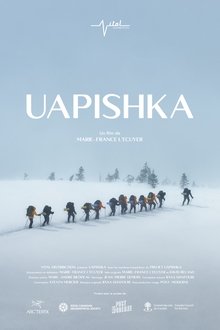
Uapishka (2023)
North of the 51st parallel, where the dense boreal forest opens onto an arctic islet, the snow-capped peaks of the Uapishka Mountains watch over the Nitassinan of Pessamit. In the heart of winter, a group of Innu and non-Innu adventurers attempt to cross this vast mountain range on snowshoes, completely independently. Faced with the vastness of the territory, the rigors of the northern climate and the impetuous breath of the tundra, they discover each other in a different way, form friendships and unite to better chart their course. Over the kilometres, the adventure reveals a space for meeting, sharing and reconciliation.
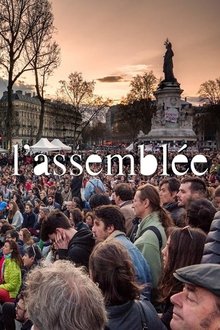
The Assembly (2017)
Just one year ago, citizens joined together at Place de la République in Paris to demonstrate against labor reforms, the El Khomri law. This rapidly became an opportunity to invent another way of handling politics. It was the beginning of Nuit Debout. The film follows closely this social movement's inner core, a new kind of citizen's and democratic parliament, without representatives or leaders, which attempts to allow everyone the chance to speak. How do we speak in unison without speaking with a single voice?

VICE News Presents: 'Epstein Didn't Kill Himself' (2024)
How the mysteries surrounding Jeffrey Epstein’s life and death gave rise to a conspiracy theory that will never die.

She's Beautiful When She's Angry (2014)
A documentary that resurrects the buried history of the outrageous, often brilliant women who founded the modern women's movement from 1966 to 1971.
What Will I Be? (1975)
Vancouver s two leading authorities on sexism in the school system, Linfa Shuto and Reua Dexter, relate their opinions on the problem and some solutions that they are working on. The tape also includes a short historical look at women s position in education and a critical discussion on sex stereotype roles by Grade 6 students.
Night and Fog (1956)
Filmmaker Alain Resnais documents the atrocities behind the walls of Hitler's concentration camps.
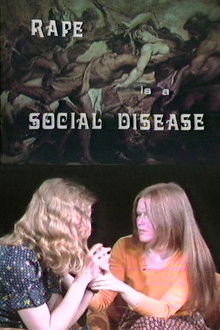
Rape Is A Social Disease (1975)
A presentation of the historical process of rape, followed by a more recent approach of current studies that reinforce ÒRape Reliefs own statistics.


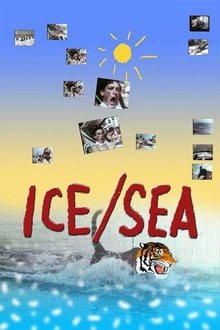
Ice/Sea (2005)
Funny collage of sea, sun and ice. A show from the beach with skiers, tigers, mermaids and much more.

Singapore GaGa (2005)
Singapore GaGa is a 55-minute paean to the quirkiness of the Singaporean aural landscape. It reveals Singapore's past and present with a delight and humour that makes it a necessary film for all Singaporeans. We hear buskers, street vendors, school cheerleaders sing hymns to themselves and to their communities. From these vocabularies (including Arabic, Latin, Hainanese), a sense of what it might mean to be a modern Singaporean emerges. This is Singapore's first documentary to have a cinema release. With English and Chinese subtitles.

How to Cook Your Life (2007)
A Zen priest in San Francisco and cookbook author use Zen Buddhism and cooking to relate to everyday life.
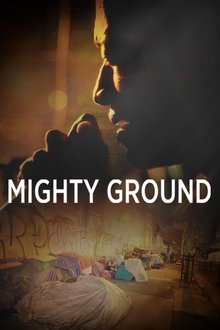
Mighty Ground (2017)
A gifted singer, struggling with addiction on the streets of Skid Row, sets out on a journey to transform his life.
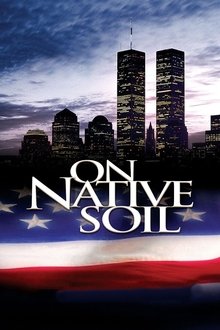
On Native Soil (2006)
The film analyzes the efforts by the families of 9/11 victims to create the 9/11 Commission and what information was revealed by it in the 9/11 Commission Report.
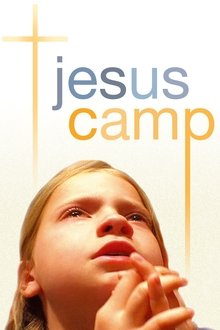
Jesus Camp (2006)
Jesus Camp is a Christian summer camp where children hone their "prophetic gifts" and are schooled in how to "take back America for Christ". The film is a first-ever look into an intense training ground that recruits born-again Christian children to become an active part of America's political future.
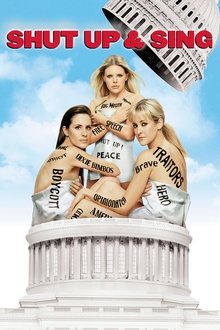
Dixie Chicks: Shut Up and Sing (2006)
Shut Up and Sing is a documentary about the country band from Texas called the Dixie Chicks and how one tiny comment against President Bush dropped their number one hit off the charts and caused fans to hate them, destroy their CD’s, and protest at their concerts. A film about freedom of speech gone out of control and the three girls lives that were forever changed by a small anti-Bush comment
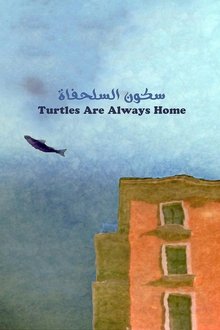
Turtles Are Always Home (2016)
I left Lebanon in 2006. For the past 10 years I lived in 7 countries, 10 cities, and 21 homes. I slept in 21 beds, cooked in 21 kitchens, cleaned 21 bathrooms, stared at 21 windows, wrote on 21 desks, and locked 21 doors behind me. I packed all of my life into two suitcases and a backpack. The rest stayed behind. Somebody somewhere uses my bed, somebody somewhere has my shoes. I was there. But now I am here.

Home Truth (2017)
In 1999, Colorado mother Jessica Gonzales experienced every parent’s worst nightmare when her three young daughters were killed after being abducted by their father in violation of a domestic violence restraining order. Devastated, Jessica sued her local police department for failing to adequately enforce her domestic violence restraining order despite her repeated calls for help that night. Determined to make sure her daughters did not die in vain, Jessica pursues her case to the US Supreme Court and an international human rights tribunal, seeking to strengthen legal rights for domestic violence victims. Meanwhile, her relationship with her one surviving child, her son Jessie, suffers, as he struggles with the tragedy in his own way. Shot over the course of nine years, Home Truth chronicles one family’s incredible pursuit of justice, shedding light on how our society responds to domestic violence and how the trauma from domestic violence can linger through generations.
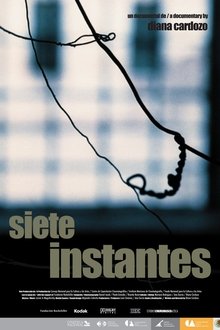
Seven Moments (2008)
Is the story of women that were guerrilleras in Uruguay at the beginning of the 70's. Under an intimate focus, the film shows the moments of decision and the personal crossroads that it involve. The documentary search the experience and the look of common individuals in exceptional situations and goes to the bottom of the load of tensions, fears, contradictions and personal costs that those labor instants of the History have.
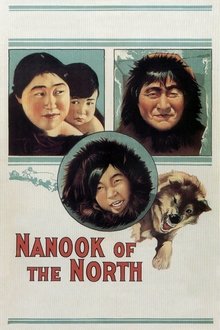
Nanook of the North (1922)
This pioneering documentary film depicts the lives of the indigenous Inuit people of Canada's northern Quebec region. Although the production contains some fictional elements, it vividly shows how its resourceful subjects survive in such a harsh climate, revealing how they construct their igloo homes and find food by hunting and fishing. The film also captures the beautiful, if unforgiving, frozen landscape of the Great White North, far removed from conventional civilization.