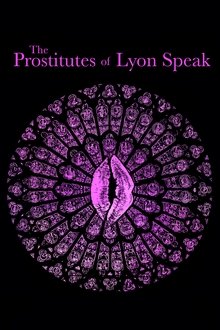
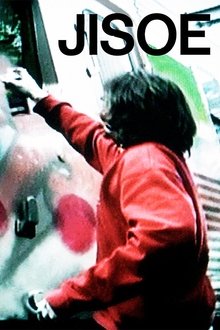
Loosely based on Charles Dicken’s book “A Tale of Two Cities”, Working Class tells the tale of underground street artists Mike Giant and Mike Maxwell and their decade long friendship that started with a tattoo. The story is told through the cities they call home by, cutting back and forth between the neighborhoods of San Francisco and San Diego, as the artists talk about their life philosophies and the work they create.
Related Movies
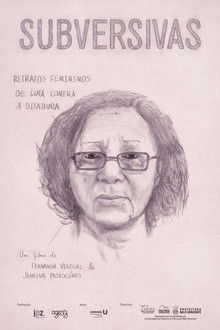
Subversivas (2013)
"Subversivas" is a documentary that reveals the brazilian military dictatorship from the perspective of women. Teresa Angelo, Gilse Cosenza, Thereza Vidigal, Angela Pezzuti and Delsy Gonçalves joined the resistance to the military regime in different ways. Their memories bring out events that marked that time and their life. These statements reveal their effort for freedom and democracy not only in political actions, but also in their family, work and everyday relationships, imbued with a belief and search for a fair and free country.
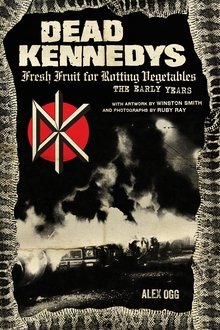
Dead Kennedys: Fresh Fruit for Rotting Eyeballs (2005)
Fresh Fruit for Rotting Eyeballs features a brief history of the Dead Kennedys' early years up to their first UK tour, never before seen live performances, interviews with Klaus Fluoride and East Bay Ray, comments by music journalists, and insights from the key people involved with the recording of the DK's first album. Jello Biafra's 1979 run for mayor is also highlighted.
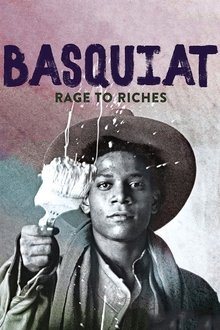
Basquiat: Rage to Riches (2017)
This film tells Jean-Michel's story through exclusive interviews with his two sisters Lisane and Jeanine, who have never before agreed to be interviewed for a TV documentary. With striking candour, Basquiat's art dealers - including Larry Gagosian, Mary Boone and Bruno Bischofberger - as well as his most intimate friends, lovers and fellow artists, expose the cash, the drugs and the pernicious racism which Basquiat confronted on a daily basis. As historical tableaux, visual diaries of defiance or surfaces covered with hidden meanings, Basquiat's art remains the beating heart of this story.
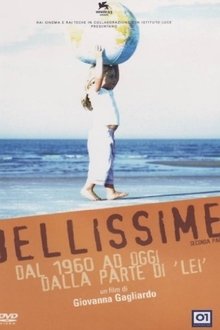
Bellissime (2004)
Documentary consisting of archival footage that depicts the evolving conditions of Italian women during the first half of the 20th century.
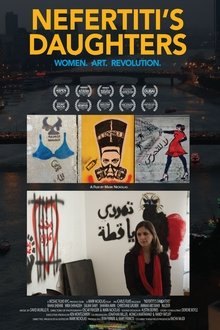
Nefertiti's Daughters (2015)
Nefertiti's Daughters is a story of women, art and revolution. Told by prominent Egyptian artists, this documentary witnesses the critical role revolutionary street art played during the Egyptian uprisings. Focused on the role of women artists in the struggle for social and political change, it spotlights how the iconic graffiti of Queen Nefertiti placed her on the front lines in the ongoing fight for women's rights and freedom in Egypt today.

Tasha Diamant's Human Body Project (2010)
Gandhi said: 'Be the change you wish to see in the world.' In this experiential open forum shot at a fringe theater festival, Tasha Diamant, a mother, artist, and educator, models human vulnerability by appearing naked and unscripted. Diamant has bravely chosen to 'be' or embody the humanity we all share: physicality, fragility, mortality. The goal: authenticity, compassion, peace. Engaged audiences connect and participate.
Radical Vulnerability (2019)
Performance artist Tasha Diamant is the first person in the world to stand naked on the street with the Extinction Symbol, which she started in 2012. This mini-doc was shot in 2019 in Montreal. Her work confronts privilege, capitalism, state oppression, obliviousness, whiteness, to name a few. Ask yourself: why 10 cops?
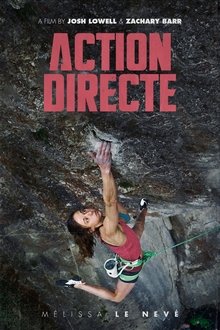
Action Directe (2020)
French powerhouse climber Mélissa Le Nevé tries to become the first woman to traverse Action Directe, one of the most revered and challenging routes in the sport.
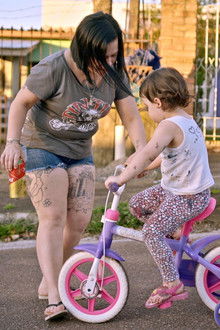
Repense o Elogio (2017)
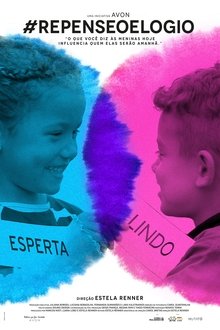
A documentary that proposes a conversation about the way children are praised. While girls are often praised solely for their appearance, boys can receive compliments by highlighting their skills. "Rethink the Praise" reflects on the power of words and culture that has brought an imbalance in the way we commend our boys and girls.

Life and Death at the Ambassador Hotel (1994)
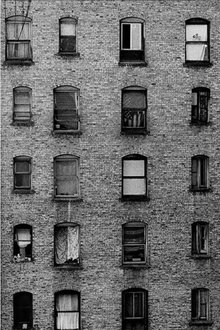
1994 at the Ambassador Hotel, 55 Mason Street in the Tenderloin district of San Francisco, California. From 1978 to 1996, the hotel was managed by Hank Wilson, a San Francisco LGBT activist who made the hotel a model for harm reduction housing. 134 run-down and exhausted rooms populated by homeless men and women, sometimes even children. All of them in urgent need of care, compassion and humanity. Nobly provided by voluntarily working professional health care and social workers staff, various benefactors, volunteers, neighbors, and community contributions.
Ouaga Girls (2017)
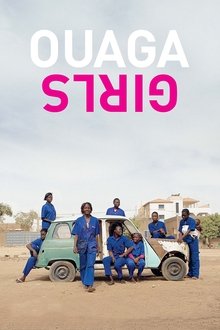
A group of young women from Ouagadougou study at a girl school to become auto mechanics. The classmates become their port of safety, joy and sisterhood, all while they are going through the life changing transition into becoming adults in a country boiling with political changes. In a country with youth unemployment at 52 percent, jobs are a hot issue. The young girls at a mechanics school in Burkina Faso’s capital Ouagadougou are right in the middle of a crucial point in life when their dreams, hopes and courage are confronted with opinions, fears and society’s expectations of what a woman should be. Using interesting narrative solutions, Theresa Traore Dahlberg depicts their last school years and at the same time succeeds in showing the country’s violent past and present. This is a feature-film debut and coming-of-age film with much warmth, laughs, heartbreak and depth.
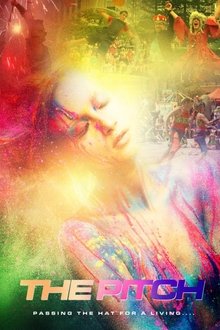
The Pitch (2017)
"The Pitch" takes a look at the world of international street performing buskers to find out why these men and women have chosen to "pass the hat" to make a living, along with the challenges they face.

The Bridge (2006)
The Bridge is a controversial documentary that shows people jumping to their death from the Golden Gate Bridge in San Francisco - the world's most popular suicide destination. Interviews with the victims' loved ones describe their lives and mental health.
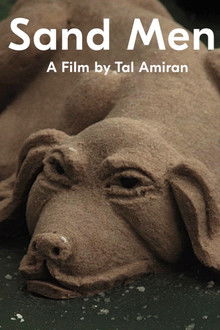
Sand Men (NaN)
Neculai, Aurel and Raj all left their homes in Romania for the same reason - to seek a better life for their family. Now, in Britain, with their loved ones depending on them, they survive by creating sand sculptures on London’s streets.
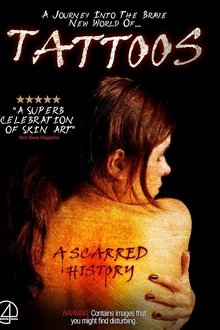
Tattoos: A Scarred History (2009)
An exploration of how the once taboo art form has become socially acceptable.