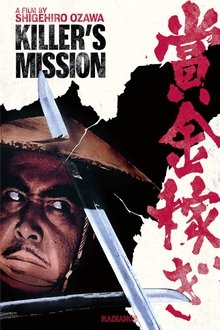
Fewer samurai films are being made, and the Uzumasa studio has fallen on hard times. One day, veteran "kirareyaku" (whose job it is to be felled with a sword by a film's star) actor Kamiyama is tasked with teaching sword action techniques to fledgling actress Satsuki. A few years later, the now-retired Kamiyama is visited by Satsuki, who has become a popular star.
Related Movies
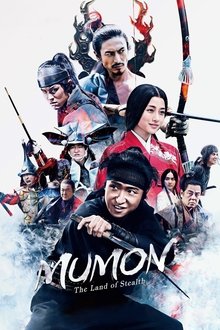
Mumon: The Land of Stealth (2017)
Raised suckling poison arrows among the sparring Iga ninja factions, Mumon is a carefree 16th-century mercenary. When the ninja council makes a power play to defeat the young Nobukatsu Oda struggling to step into his father’s warlord shoes as they expand rule across the country, Mumon jumps into the fray to satisfy his new bride Okuni’s demand that he make good on his promises of wealth. Yet Mumon soon finds what is worth fighting for beyond money or nation.

Everly (2015)
After she betrays a powerful mob boss, a woman matches wits and weaponry with a legion of killers who are out to collect the bounty on the heads of her and her family.

Lady Samurai (2019)
This is the story of Kaori Kawabuchi, a samurai sword performer, singer and motion capture actor. An inspiring woman keeping alive ancient traditions and spirituality in modern Japan.

Samurai Fury (2025)
Set in war-torn 15th century Kyoto, on the eve of the Onin War, the movie centers on a band of outlaws led by Hyoe, a scoundrel whose lethal sword skills place him at the tip of the spear in a deadly uprising against the corrupt Shogunate and its army, led by former friend-turned-archrival Doken.
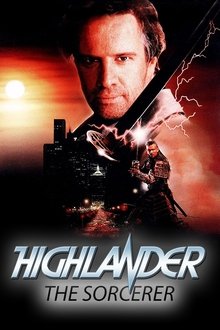
Highlander III: The Sorcerer (1994)
Starts off in the 15th century, with Connor McLeod training with another immortal swordsman, the Japanese sorcerer Nakano. When an evil immortal named Kane kills the old wizard, the resulting battle leaves him buried in an underground cave. When Kane resurfaces in the 20th century to create havoc, it's up to McLeod to stop him.
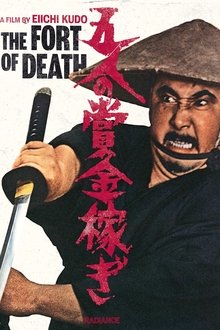
The Fort of Death (1969)
The second Bounty Hunter film, when master killer Shikoro Ichibei takes up the cause of a group of farmers being driven to despair by the vile Lord Ozeki. The villainous lord has driven them to mounting their last stand at a deserted fort against an army of attackers. Wakayama Tomisaburo is superb as an expert in killing and military tactics, who leaves his medical practice at a clinic for the poor in order to counter the vicious tactics of that vile lord.
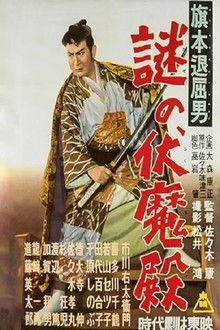
Bored Hatamoto: The Mysterious Demon Palace (1955)
In Kyoto, a samurai named Boredom Otoko, Saotome Mondonosuke , appears and helps a woman being chased by a spy named Genshichi. Unfortunately, the woman is shot and killed. Later, Genshichi explains that the woman was a member of a band of thieves, and because she was let go once, the police officer, Genjuro Mazaki, was demoted to a desk job. Consumed by guilt, Boredom Otoko...

Versus (2000)
A group of ruthless gangsters, an unknown woman and an escaped convict have met, in The Forest of Resurrection, the 444th portal to the other side. Their troubles start when those once killed and buried in the forest come back from the dead.
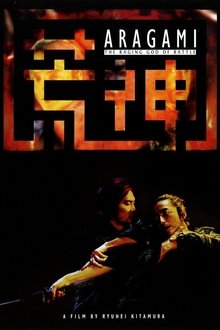
Aragami (2003)
Two seriously wounded samurai find refuge from a storm at an isolated temple, the home of a swordsman and a mysterious young woman. One samurai awakes to find that not only has his comrade died, but that his wounds have miraculously healed. He discovers that he has been given the power of immortality by the swordsman, a man once known as the legendary Miyamoto Musashi, who now lives an endless existence as Aragami, a "god of battle".
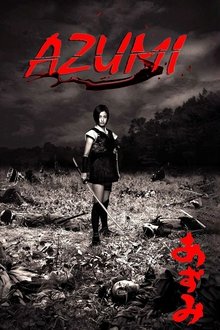
Azumi (2003)
In war-torn Japan, the Tokugawa Shogun, desperate to restore peace to his people, orders the assassination of the hostile warlords. A beautiful young woman is raised from birth with nine other orphans, to become an assassin. Her name is Azumi, the ultimate assassin.

Echoes of a Ronin (2015)
Bushido - the way of the warrior - is a Japanese philosophy with a moral code followed by samurai. But even the strictest concepts of honor can be overridden by jealousy, love and revenge. It is experienced by a child whose eyes see things they shouldn't at all.
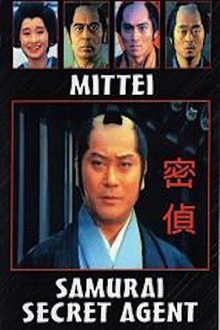
Samurai Secret Agent (1983)
A master swordsman is ordered to go undercover on a mission to find and destroy a cannon factory being used by two samurai clans that try to usurp power and gain the position of shogun for one of their own.
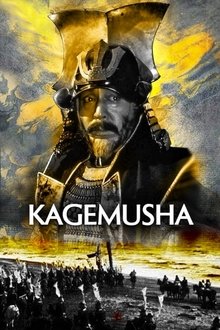
Kagemusha (1980)
Akira Kurosawa's lauded feudal epic presents the tale of a petty thief who is recruited to impersonate Shingen, an aging warlord, in order to avoid attacks by competing clans. When Shingen dies, his generals reluctantly agree to have the impostor take over as the powerful ruler. He soon begins to appreciate life as Shingen, but his commitment to the role is tested when he must lead his troops into battle against the forces of a rival warlord.
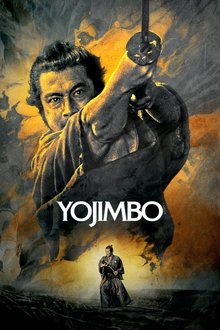
Yojimbo (1961)
A nameless ronin, or samurai with no master, enters a small village in feudal Japan where two rival businessmen are struggling for control of the local gambling trade. Taking the name Sanjuro Kuwabatake, the ronin convinces both silk merchant Tazaemon and sake merchant Tokuemon to hire him as a personal bodyguard, then artfully sets in motion a full-scale gang war between the two ambitious and unscrupulous men.

Shin 信 (2022)
Haunted by bad luck, two friends learn to trust in the world again and take their destiny into their own hands.
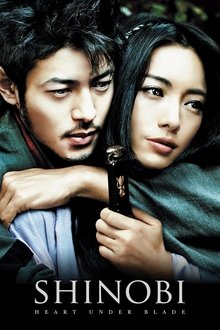
Shinobi: Heart Under Blade (2005)
Even though Gennosuke and Oboro are from rival ninja villages, they are secretly in love. At an annual conference with the Lord, it is dictated that a competition--a fight to the death--will take place between the five best shinobi from each village. Gennosuke and Oboro's love is made even more impossible when they each got picked as the leader of the five to represent their respective villages.
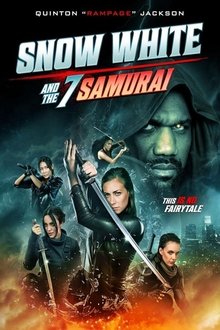
Snow White and the 7 Samurai (2024)
Left for dead by her rich and powerful stepmother, Snow White is taken in by a team of assassins who train her in their ways of fighting. As her stepmother becomes more and more powerful, Snow White and the samurai take up arms to topple her once and for all.