As the dissociated convenience of the Internet and globalized corporate culture continue to shut down brick-and-mortar video stores, what will happen to the longstanding, local hangouts with their rugged individuals known as clerks and the communities who love them? Videosyncracy follows three very different video rental stores as they negotiate their survival in three distinct Los Angeles neighborhoods: Old Bank DVD in the Downtown arts district, Vidiots in sunny seaside Santa Monica, and Eddie Brandt’s Saturday Matinee in bustling North Hollywood. Their stories chronicle not only the birth and twilight of a particular kind of corner store, but also decades of personal lives intertwined with those of their communities, the new challenges and facilities of a rapidly changing world, and an enduring love of the movies, a slice of Americana on the brink of disappearance yet defiant to the end.
Related Movies
Batman & Bill (2017)
Everyone thinks that Bob Kane created Batman, but that’s not the whole truth. One author makes it his crusade to make it known that Bill Finger, a struggling writer, actually helped invent the iconic superhero, from concept to costume to the very character we all know and love. Bruce Wayne may be Batman’s secret identity, but his creator was always a true mystery.
El circo (1950)
Madrid, Spain, 1949. The Circo Americano arrives in the city. While the big top is pitched in a vacant lot, the troupe parades through the grand avenues: the band, a witty impersonator, the Balodys, acrobats, jugglers, acrobatic skaters, clowns and… Buffallo Bill.
Rainier the Mountain (1999)
In this retrospective tribute, acclaimed filmmaker Jean Walkinshaw hails the 100th anniversary of Mount Rainier National Park in Washington by talking to those who know it best: the scientists, naturalists, mountain climbers and artists whose lives have been touched by the peak's far-reaching shadow. The result is a harmonious blend of archival material and high-definition footage celebrating an icon of the Pacific Northwest.
Life in Four Elements (2017)
A journey into four classical elements through the four main characters of the film. The main characters in the movie represent each of their own elements.
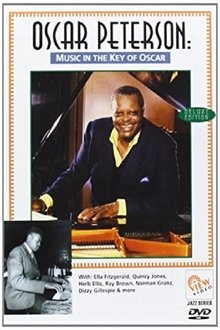
Oscar Peterson: Music in the Key of Oscar (1995)
This riveting music documentary traces the history of Jazz piano legend Oscar Peterson, from his early days as Montreal's teenage Boogie-Woogie sensation through his meteoric rise to international celebrity with Norman Granz and the ground-breaking Jazz at the Philharmonic and beyond. In this award-winning autobiographical portrait, legendary jazz pianist Oscar Peterson narrates his story, from his beginnings in smoke-filled Montreal clubs to hallmark performances with jazz greats. Concert footage includes an unforgettable combo -- Nat King Cole with Jazz at the Philharmonic and the Oscar Peterson Trio Wall reunion. Quincy Jones, Ella Fitzgerald and Dizzy Gillespie are interviewed, among others.
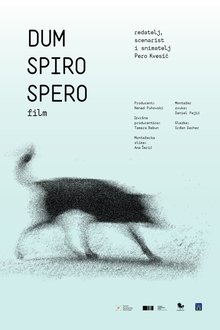
Dum spiro spero (2017)
Well-known Croatian author Pero Kvesić, who has been struggling with a severe lung disease, documents his death from his own point of view. Recording his everyday struggle, the picture resembles a peculiar blog filled with self-irony and witty comments about life and death. Although the world around continues to shrink, the hero and the director in one does not cease to fill it with sense.
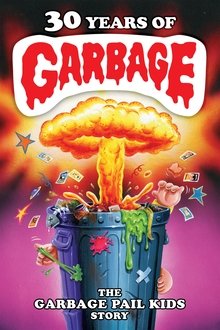
30 Years of Garbage: The Garbage Pail Kids Story (2017)
The Garbage Pail Kids are 30 years old. Celebrate their gross-out greatness with artist interviews, superfan collections, and more.
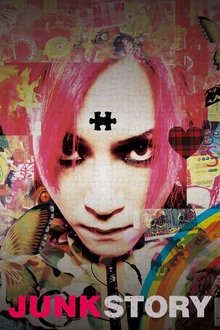
Junk Story (2015)
A look back at the life and career of Japanese guitarist hide, who died under questionable circumstances in 1998.

Adele: Homecoming (2017)
The eagerly anticipated wait is over, after 5 years since the release of her last album, Adele is back! Fans have applauded her return, by breaking the record for most viewed video in a single day, reaching an astounding 28.7M views in the first 24 hours. The British singer has knocked Taylor Swift off the record, previously holding most viewed video in a single day for her Bad Blood video which reached 20 million views. “Hello” has now been viewed nearly 89 million times on Vevo alone since the day of its release, and has already topped the iTunes charts in 85 countries. The success of this debut single has blown everyone away and the rest of her album will most likely follow suit. Through her own words, video and live performance this documentary takes an incredible look at the life and times of this truly amazing young artist.
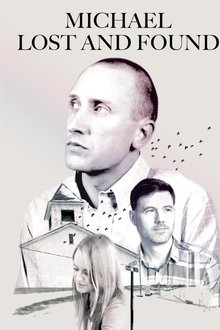
Michael Lost and Found (2017)
When a feature film is made about them seven years after their break-up, Benjie Nycum visits his ex-boyfriend Michael Glatze and finally tries to get answers about his bewildering shift from gay activist to ex-gay evangelical.
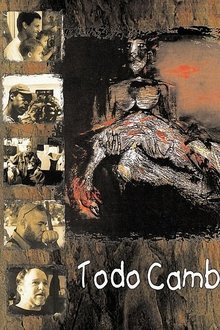
Todo Cambia (2000)
A documentary that takes an in depth look at a government sanctioned art school in Cuba and its students. Interviews of various artists attending the school allow viewers a glimpse into their personal and professional lives.
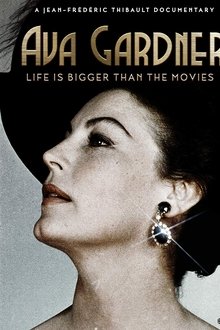
Ava Gardner: Life Is Bigger Than the Movies (2017)
A barefoot contessa, a screwed-up princess, an exquisite drunk, a bawdy aristocrat, a nightmare for puritanical America and the moguls of Metro-Goldwyn-Mayer, Ava Gardner never stopped loving those she loved. She turned women green and made men sweat. And rejected with all her force the bulwark of normality.

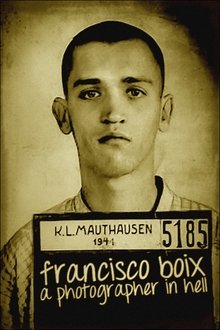
Francisco Boix: A Photographer in Hell (2000)
In 1939, just finished the Spanish Civil War, Spanish republican photographer Francesc Boix escapes from Spain; but is captured by the Nazis in 1940 and imprisoned in the Mauthausen concentration camp, in Austria, a year later. There, he works as a prisoner in the SS Photographic Service, hiding, between 1943 and 1945, around 20,000 negatives that later will be presented as evidence during several trials conducted against Nazi war criminals after World War II.

The Marines (2007)
For longer than the United States has been an independent nation, there has been a Marine Corps. They consider themselves the very best America has to offer. Embodying fierce patriotism, extraordinary courage, and innovative weapons, they are a force. This documentary focuses on their training and examines what it means to be a Marine.
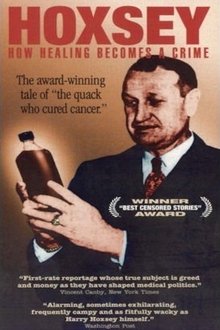
Hoxsey: When Healing Becomes a Crime (2005)
In the 1920s, former coal miner Harry Hoxsey claimed to have an herbal cure for cancer. Although scoffed at and ultimately banned by the medical establishment, by the 1950s, Hoxsey's formula had been used to treat thousands of patients, who testified to its efficacy. Was Hoxsey's recipe the work of a snake-oil charlatan or a legitimate treatment? Ken Ausubel directs this keen look into the forces that shape the policies of organized medicine.