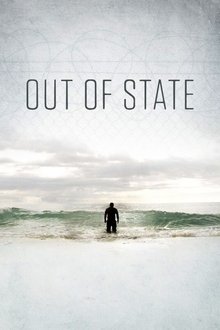
Three boys, they all committed murder. After discovering their haunting faces and disturbing stories in a banned prison documentary from 1984, the filmmaker goes out to find them and discovers untold secrets and a Hungary he has never known.
Related Movies
Stories for Murders (1993)
A father killed his son. In a state of alcoholic delirium, a young man murdered his friend. A 21 year-old boy shot a policeman. Faced with their death sentence, they tell about what happens with them at the moment when they are between death and ... death.
Nemesis (2020)
The film explores the destruction of a unique train station in Zurich and the construction of the new prison and police centre in its place. From the perspective of the filmmaker’s window, and with testimony from prisoners awaiting deportation, the film probes how we deal with the extinction of history and its replacement with total security.

Jacinta (2021)
An intimate portrait of mothers and daughters and the effects of trauma, Jacinta follows a young woman in and out of prison as she attempts to break free from an inherited cycle of addiction, incarceration, and crime.
Lost Button (2015)
A documentary about Goran Ivandic 'Ipe', the drummer of most popular Yugoslav rock band of all time, Sarajevo-based "Bijelo dugme" (White Button). Ivandic's fatal jump from the balcony of hotel Metropol in Belgrade in 1994 sparked much controversy around his fate.
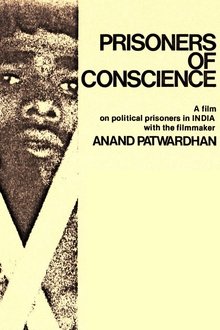
Prisoners of Conscience (1978)
An early Patwardhan documentary completed in 1978, Prisoners of Conscience focuses on the state of emergency imposed by Indira Ghandi from June 1975 through March 1977. During this time over 100,000 people were arrested without charge and imprisoned without trial. They were released only by the government that replaced Ghandi's. The film also shows that political prisoners existed in India before the state of emergency and continued after the new government was elected.
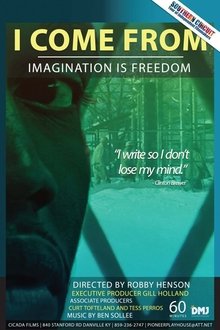
I Come From (2015)
America is the world's largest jailer and our over-burdened corrections system treats individuals as numbers. I COME FROM focuses on incarcerated poets and playwrights who use the power of creativity to change the direction of their lives. Their poems and plays reflect hard lives lived, tough environments negotiated, past mistakes made. This film focuses on six incarcerated artists whose work declares a wish, a will to survive, to grow as human beings and embrace an architecture of change. Recorded at Northpoint, Kentucky Department of Corrections, USA.
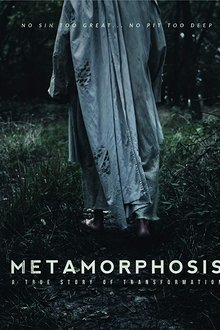
Metamorphosis (NaN)
Metamorphosis is a documentary-style film giving the true account Bill Troester and the transformation he experienced by Jesus out of a life of violence, crime and drug addiction.
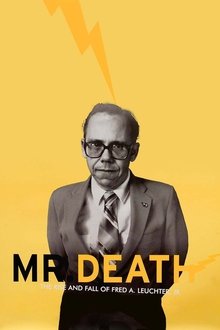
Mr. Death: The Rise and Fall of Fred A. Leuchter, Jr. (1999)
A portrait of the life and career of the infamous American execution device designer Fred A. Leuchter, Jr. Mr. Leuchter was an engineer who became an expert on execution devices and was later hired by holocaust revisionist historian Ernst Zundel to "prove" that there were no gas chambers at Auschwitz. Leuchter published a controversial report confirming Zundel's position, which ultimately ruined his own career. Most of the footage is of Leuchter, working in and around execution facilities or chipping away at the walls of Auschwitz, but Morris also interviews various historians, associates, and neighbors.

The Devil and the Death Penalty (2012)
This documentary recounts the dysfunctional state of the death penalty in the state of California by revisiting the crimes, arrest, trials and appeals of Lawrence Bittaker, a convicted serial killer who has been on death row at San Quentin since 1981.

Standard Operating Procedure (2008)
Errol Morris examines the incidents of abuse and torture of suspected terrorists at the hands of U.S. forces at the Abu Ghraib prison.
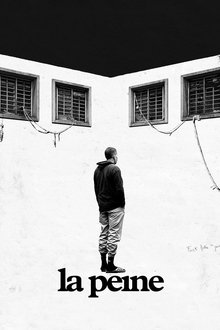
Emperors of Nothing (2024)
Emperors of Nothing is an unprecedented immersion within Forest, a prison in Brussels notorious for its inhumane incarceration conditions, bearing witness to how the human spirit resists or submits to this harsh world. Deeply personal and candid moments shared with inmates and wardens alike, those who have forfeited or devoted their lives to prison, expose universal truths of what it means to be "behind bars".
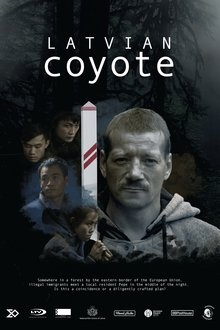
Latvian Coyote (2019)
An absurd game of “finding happiness” is being played by local Latvian coyotes* and illegal immigrants on the Russian and the European Union border. It is a game with no winner – all participants are driven to play by the sense of despair. While one side leaves home and undertakes a perilous journey to the other side of the globe, hoping to spend the rest of their lives in a free country, the other side risks their freedom to earn a chance to stay right where they are, in their homeland. *coyote – someone who smuggles illegal immigrants

Hell (2019)
Chennu committed his first crime when he was 15 years old: being a street kid. And he entered hell: Pademba Road. The adult prison in Freetown. In hell, Mr. Sillah is in charge, and there is no hope. Chennu got out after four years. Now he wants to go back.

Mio (2008)
Mio blir som barn skickad till Sverige för att tjäna ihop pengar till sin familj i Thailand. Men det går inte som föräldrarna planerat. Under tre år följer regissör Jonas Embring Mio och hans gäng på Henriksdalsberget utanför Stockholm. De lever i en hård vardag med kriminell identitet och våld. Till sist bestämmer sig Mio för att förändra sitt liv.

Our Children (1989)
From an official perspective, marginal youth culture did not exist in East Germany. The topic of subcultures was taboo in the GDR, and groups such as goths, skinheads, anti-skins, punks and neo-Nazis were dismissed as social deviations promoted by western countries. Director Roland Steiner had access to such young East Germans in the late 1980s. Over the course of four years, he brought them before the camera in an attempt to understand what drew them to these groups.
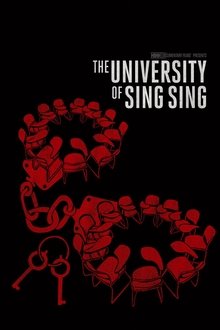
The University of Sing Sing (2011)
An inside look at the notorious Sing Sing Correctional Facility, where one of the U.S.’s only in-prison college programs, Hudson Link, offers long-time inmates an education – and a new lease on life.

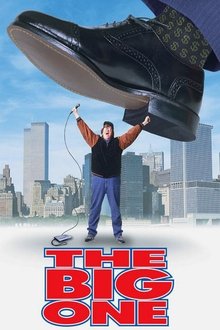
The Big One (1997)
The Big One is an investigative documentary from director Michael Moore who goes around the country asking why big American corporations produce their product abroad where labor is cheaper while so many Americans are unemployed, losing their jobs, and would happily be hired by such companies as Nike.