Marty, a "good boy," experiments with marijuana and experiences "profound mental and emotional disturbances." As in all anti-drug films of this vintage, marijuana leads straight to "H," and Marty's decline continues until he is busted, rehabbed and reformed. Drug Addiction's stilted view of the urban drug culture and unrealistic portrayals of stoned slackers make it entertaining viewing today. It belongs to that little-known "second wave" of anti-drug films, the postwar scare stories about middle-class kids overcome by junkiedom. What this wave of films reveals is that drugs were an issue for white adolescents long before the psychedelic Sixties, and that the official response to the threat expressed a general, not specifically targeted paranoia.
Related Movies

Dear Viv (2025)
A tribute to drag superstar, The Vivienne. Friends and family share touching stories of the RuPaul's Drag Race UK winner and her legacy. Her spirit lives on through unreleased footage, showcasing her unique personality and how her passion for entertaining left a mark in the world. Interviews with her dearest drag sisters Baga Chipz, Michael Marouli, Danny Beard, Tia Kofi, Cheryl Hole and more.
Megacities (1998)
Megacities is a documentary about the slums of five different metropolitan cities.
Shiny_Flakes: The Teenage Drug Lord (2021)
Max S. reveals how he built a drug empire from his childhood bedroom in this story that inspired the series "How to Sell Drugs Online."
Leaf (2017)
From can't miss future NFL star to incarcerated addict, former San Diego Charger Ryan Leaf shares insight into the choices and mistakes he made that changed his life forever.
Mr. Untouchable (2007)
The true-life story of a Harlem's notorious Nicky Barnes, a junkie turned multimillionaire drug-lord. Follow his life story from his rough childhood to the last days of his life.
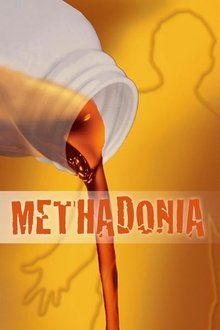
Methadonia (2005)
Shot over the course of 18 months in New York City's Lower East Side, METHADONIA sheds light on the inherent flaws of legal methadone treatments for heroin addiction by profiling eight addicts, in various stages of recovery and relapse, who attend the New York Center for Addiction Treatment Services (NYCATS).
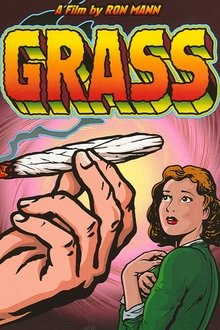
Grass (1999)
Marijuana is the most controversial drug of the 20th Century. Smoked by generations to little discernible ill effect, it continues to be reviled by many governments on Earth. In this Genie Award-winning documentary veteran Canadian director Ron Mann and narrator Woody Harrelson mix humour and historical footage together to recount how the United States has demonized a relatively harmless drug.
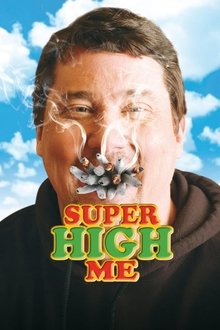
Super High Me (2007)
Determined to find out the true effects of marijuana on the human body, stand-up comedian and former Stoner of the Year Doug Benson documents his experience avoiding pot for 30 days and then consuming massive amounts of the drug for 30 days. More than just an amusing story of one man's quest to get superhigh, this documentary also examines the hotly contested debate over medical marijuana use.
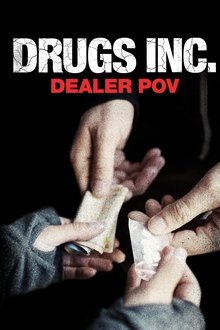
Drugs, Inc.: Dealer Pov (2014)
Drug crews in New York, Atlanta, and Portland take us on a journey through their daily lives.
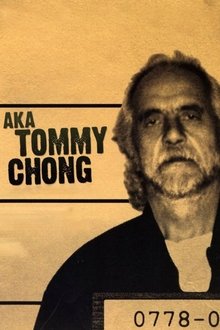
AKA Tommy Chong (2006)
Documentary about Tommy Chong's federal prosecution under the Bush administration for selling bongs over the Internet.

Confidential File: Barbiturates (1955)
A filmed sequence dramatizes the problems addressed in the program: the story of a working mother addicted to barbiturates initially prescribed by her doctor.
Cocaine Cowboys (2006)
In the 1980s, ruthless Colombian cocaine barons invaded Miami with a brand of violence unseen in this country since Prohibition-era Chicago - and it put the city on the map. "Cocaine Cowboys" is the true story of how Miami became the drug, murder and cash capital of the United States, told by the people who made it all happen.
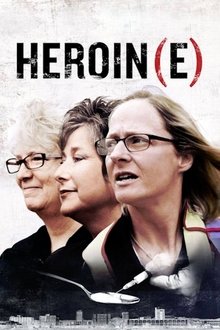
Heroin(e) (2017)
This documentary follows three women — a fire chief, a judge, and a street missionary — as they battle West Virginia's devastating opioid epidemic.
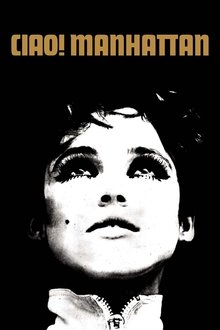
Ciao! Manhattan (1973)
Fiction and documentary mingle in a freewheeling portrait of Susan Superstar, a New York celebrity on a drug-fueled downward slide that mirrors Edie Sedgwick’s own self-destructive spiral.

Hackers Wanted (2009)
Hackers Wanted explores the origins and nature of hackers and hacking by following the adventures of Adrian Lamo, and contrasting his story with that of controversial figures throughout history.
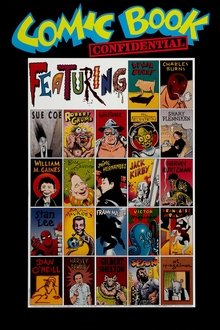
Comic Book Confidential (1989)
A survey of the artistic history of the comic book medium and some of the major talents associated with it.
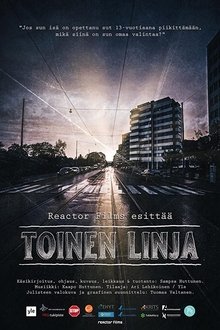
Second Lane (2018)
Second Lane is a story about drug addiction, living with it and fighting it. It is a documentary about people who use intravenous drugs and the professionals and peers working with those people. What happens when ‘Vinkki’, a social and healthcare counselling centre in Helsinki, closes its doors due to a lost contract.
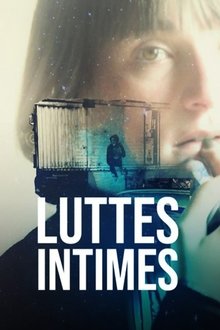
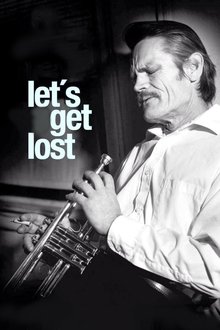
Let's Get Lost (1988)
Documentary about jazz great Chet Baker that intercuts footage from the 1950s, when he was part of West Coast Cool, and from his last years. We see the young Baker, he of the beautiful face, in California and in Italy, where he appeared in at least one movie and at least one jail cell (for drug possession). And, we see the aged Baker, detached, indifferent, his face a ruin. Includes interviews with his children and ex-wife, women companions, and musicians.