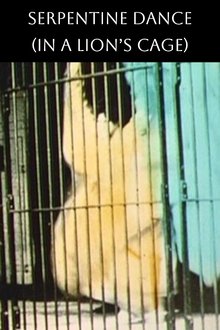
A series of interviews are conducted concerning people's beliefs towards the possibility of an afterlife. The interviews are filmed against a set of strange backdrops, and are intercut with clips from classic films and a variety of stock footage.
Related Movies
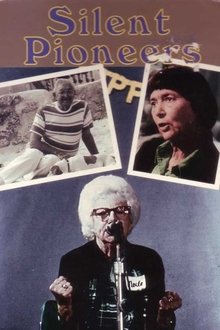
Silent Pioneers (1985)
Contrary to the public stereotype of a youthful homosexual community, gay men and women do grow old. Silent Pioneers presents an upbeat focus on the lives of these people today, showing them living full and diverse lives and sharing concerns on ageing, health and housing, with other senior citizens. It also considers how support networks within the gay and lesbian community have enriched and strengthened their individual lives.

Baby, It's You (1998)
Six adult siblings and the vicissitudes of fertility, infertility, and the desire - met and unmet - for a baby. Focusing on one couple's attempt to become pregnant, and the inevitable highs and lows of a year of hope and disappointment.
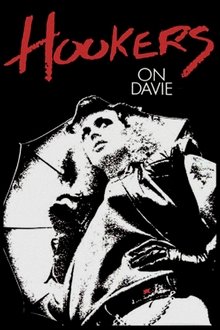
Hookers on Davie (1984)
Filmmakers Holly Dale and Janis Cole explore the culture of Davie Street, located in the underbelly of Vancouver, where dozens of prostitutes work and live every day. Surprisingly, they find that the sex trade there is stable and largely non-violent, and that the women who work on Davie Street meet daily to discuss safety and health issues and don't use pimps. The film also includes candid interviews with the prostitutes and footage of negotiations with potential clients.
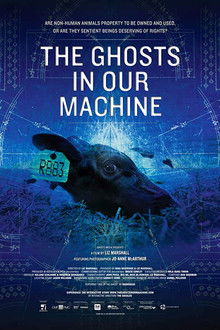
The Ghosts in Our Machine (2013)
Through the heart and photographic lens of international photographer Jo-Anne McArthur, we become intimately familiar with a cast of non-human animals. The film follows Jo-Anne over the course of a year as she photographs several animal stories in parts of Canada, the U.S. and in Europe. Each story is a window into global animal industries: Food, Fashion, Entertainment and Research.
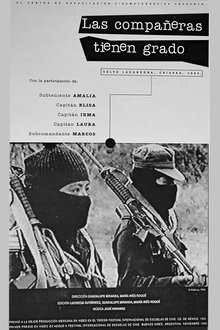
Zapatista Women (1995)
April 1994 in the Lacandona Jungle, Chiapas, México. The Zapatista women talk about the living conditions of Mexican indigenous populations and the life of peasant women. They explain the reasons for their struggle and their uprising.
Unfit: Ward vs. Ward (2012)
Thoughtful documentary exploring the shocking court decision to grant custody to a child’s father, a convicted murderer, rather than her lesbian mother.

Didn't Do It For Love (1998)
DIDN'T DO IT FOR LOVE is a documentary portrait of Eva Norvind, a.k.a. Mistress Ava Taurel, born Eva Johanne Chegodaieva Sakonskaya in Trondheim, Norway. The film follows Eva's many careers, from her time as a showgirl in Paris to becoming Mexico's Marilyn Monroe in the 1960s to establishing herself as New York's most famous dominatrix in the 1980s. Using clips from Norvind's Mexican films, stills from various periods, and interviews with friends, partners and family, Treut's documentary traces Eva's search for the wellspring of her obsessive and dark sexuality.
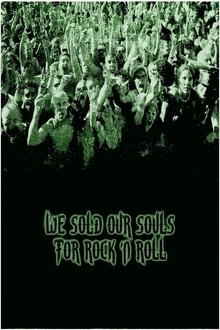
We Sold Our Souls for Rock 'n Roll (2001)
Penelope Spheeris presents an amazing chronicle of the travelling musical carnival known as OZZfest, the most successful summer concert tour for the last five years. Complete access to incredible material sends this documentary film into the realm of pure entertainment. Unforgettable moments from zealous religious protesters, outrageous fans and the guys (and girls) backstage provide an insightful view into the soul of white, middle-class America. A stunning and sometimes disturbing glimpse of a cultural movement, this film is sure to be a reference for historians for decades to come. This comment on Middle America skates the line between your worst nightmare and the best time you’ve ever had. Features interviews with, and performances by BLACK SABBATH, SYSTEM OF A DOWN, SLIPKNOT, PRIMUS, ROB ZOMBIE, GODSMACK and more.
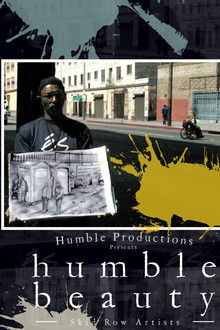
Humble Beauty: Skid Row Artists (2008)
A story about talented homeless and formerly homeless fine arts painters in the worst section of Los Angeles known as Skid Row. People will create art no matter how humble the circumstances.

The Spiritual Advisor (2025)
Jeff Hood, a spiritual advisor to death row inmates, travels to Oklahoma in September 2024 to petition against the forthcoming execution of Emmanuel Littlejohn and to guide him to his death, if the state chooses to kill him.
Filmstudenten - in die Praxis entlassen (1971)
Documentary about the situation of film students after graduation.
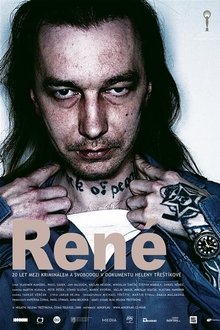
René (2008)
An intimate portrait of a man on the edge of society, filmed over the course of twenty years.
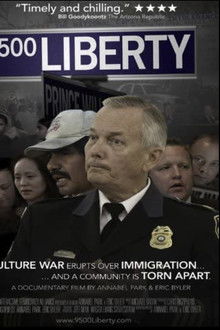
9500 Liberty (2009)
"When Prince William experienced a major building boom in the 1990s, a shortage of labor created a demand for workers, which led to an increase in the Latino population. Some of the newcomers were legal immigrants. Some were not. A blogger named Greg Letiecq began to write about his unhappiness with hearing Spanish spoken in public places. Finding an audience, he fomented about rising crime rates, rising taxes to pay for services for the newcomers, overcrowded dwellings, music played too loud, fast driving, and so on. He included Latino crime reports from the local police blotter. He even claimed armed members of the Mexican revolutionary group Zapatistas were moving to Prince William County." - Roger Ebert
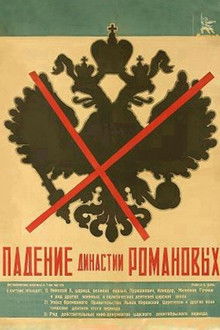
The Fall of the Romanov Dynasty (1927)
A compilation of newsreels shot between 1913 and 1917 - the years leading up to the Russian Revolution.
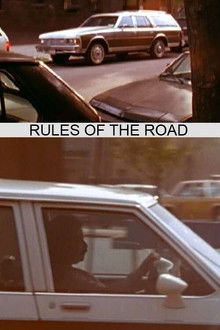
Rules of the Road (1993)
Rules of the Road tells the story of a love affair and its demise through one of the primary objects shared by the couple: an old beige station wagon with fake wood paneling along the sides.
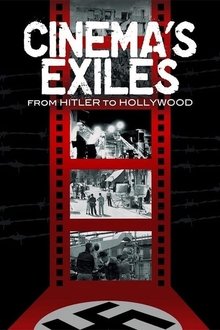
Cinema's Exiles: From Hitler to Hollywood (2009)
Eight hundred German filmmakers (cast and crew) fled the Nazis in the 1930s. The film uses voice-overs, archival footage, and film clips to examine Berlin's vital filmmaking in the 1920s; then it follows a producer, directors, composers, editors, writers, and actors to Hollywood: some succeeded and many found no work. Among those profiled are Erich Pommer, Joseph May, Ernst Lubitsch, Fritz Lang, Billy Wilder, and Peter Lorre. Once in Hollywood, these exiles helped each other, housed new arrivals, and raised money so others could escape. Some worked on anti-Nazi films, like Casablanca. The themes and lighting of German Expressionism gave rise in Hollywood to film noir.
Fists of Pride (2011)
Fists of Pride follows Little Tiger and his fellow fighters as their Thai coaches prepare them for the annual Water Festival competition. In a boxing camp on the Thai-Burmese border the children of mostly illegal migrant workers fleeing Burma live and train for prize fights. In a region where combat sports have always been a matter of honor and money, the film reveals their daily struggles. Bets are open and as the hope of prize money rizes, the young boxers contemplate what it could mean for them and their families
Finding Hillywood (2013)
“Finding Hillywood” is an inspirational film about the making of the Rwandan film industry and the power of film to change and heal individuals and communities. It tells the story of how a nation, still healing from the 1994 genocide, creates a film industry as both an outlet for the pain and a way to bring entertainment and a new industry to the population. Hillywood, which is named for Rwanda’s hilly terrain, is a traveling film festival that screens films made by, about, and for Rwandans. The festival goes from town to town, setting up public, outdoor screenings, on inflatable screens, to showcase Rwandan films.