Related Movies

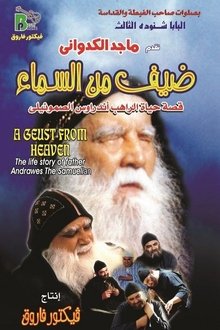
Guest from Heaven (2003)
The story of the life of the monk (Andrew Samuel), who grew up in the province of Beni Suef at the end of the nineteenth century, lost his sight at the age of three years, and sent to the monastery for the purpose of learning, but years later decided to monk in the monastery of St. (Samuel confessor). The film is subject to asceticism, humility, miracles and biography until his death in the 1980s.
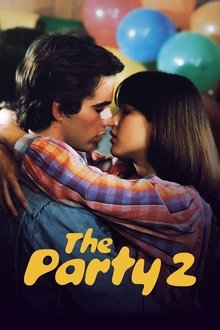
The Party 2 (1982)
A young French teenage girl after moving to a new city falls in love with a boy and is thinking of having sex with him because her girlfriends have already done it.
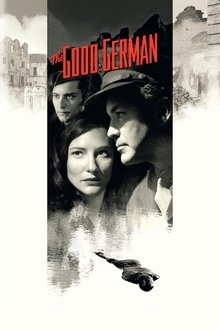
The Good German (2006)
An American journalist arrives in Berlin just after the end of World War Two. He becomes involved in a murder mystery surrounding a dead GI who washes up at a lakeside mansion during the Potsdam negotiations between the Allied powers. Soon his investigation connects with his search for his married pre-war German lover.
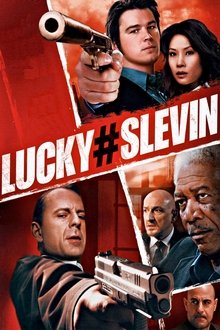
Lucky Number Slevin (2006)
Slevin is mistakenly put in the middle of a personal war between the city’s biggest criminal bosses. Under constant watch, Slevin must try not to get killed by an infamous assassin and come up with an idea of how to get out of his current dilemma.
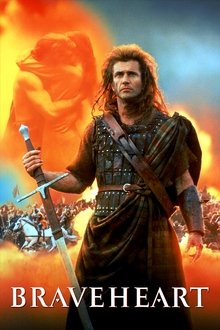
Braveheart (1995)
Enraged at the slaughter of Murron, his new bride and childhood love, Scottish warrior William Wallace slays a platoon of the local English lord's soldiers. This leads the village to revolt and, eventually, the entire country to rise up against English rule.
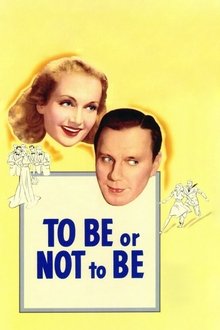
To Be or Not to Be (1942)
During the Nazi occupation of Poland, an acting troupe becomes embroiled in a Polish soldier's efforts to track down a German spy.
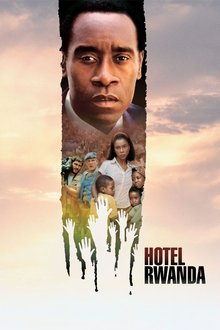
Hotel Rwanda (2004)
Inspired by true events, this film takes place in Rwanda in the 1990s when more than a million Tutsis were killed in a genocide that went mostly unnoticed by the rest of the world. Hotel owner Paul Rusesabagina houses over a thousand refuges in his hotel in attempt to save their lives.
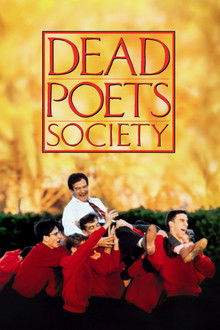
Dead Poets Society (1989)
At an elite, old-fashioned boarding school in New England, a passionate English teacher inspires his students to rebel against convention and seize the potential of every day, courting the disdain of the stern headmaster.
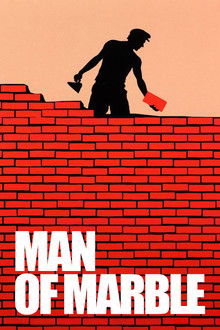
Man of Marble (1977)
A young Polish filmmaker sets out to find out what happened to Mateusz Birkut, a bricklayer who became a propaganda hero in the 1950s but later fell out of favor and disappeared.
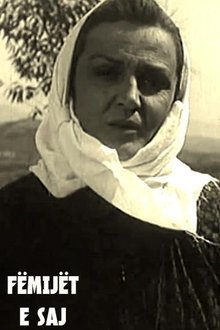
Her Children (1957)
Events take place in an isolated mountaineous village where a rabid dog bites the son of Fatime. The woman has to decide where to take her son, to the doctor or to Aunt Remja, an old woman who practices magic.
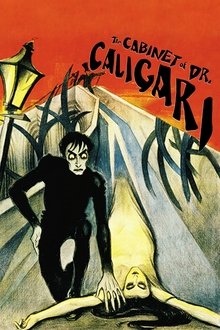
The Cabinet of Dr. Caligari (1920)
Francis, a young man, recalls in his memory the horrible experiences he and his fiancée Jane recently went through. Francis and his friend Alan visit The Cabinet of Dr. Caligari, an exhibit where the mysterious doctor shows the somnambulist Cesare, and awakens him for some moments from his death-like sleep.
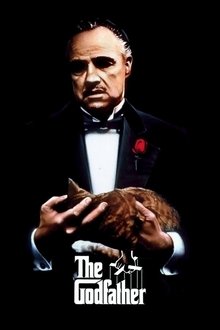
The Godfather (1972)
Spanning the years 1945 to 1955, a chronicle of the fictional Italian-American Corleone crime family. When organized crime family patriarch, Vito Corleone barely survives an attempt on his life, his youngest son, Michael steps in to take care of the would-be killers, launching a campaign of bloody revenge.
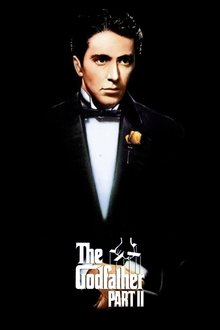
The Godfather Part II (1974)
In the continuing saga of the Corleone crime family, a young Vito Corleone grows up in Sicily and in 1910s New York. In the 1950s, Michael Corleone attempts to expand the family business into Las Vegas, Hollywood and Cuba.

The Truce (2025)
Karlag, short for Karaganda Corrective Labor Camp, was one of the largest labor camps within the Soviet Gulag system. Established in 1931, it was located in the Karagandy Region of Kazakhstan. The film will explore the hardships faced by people during the 1930s-1950s and the resilience of human dignity despite the daily struggle for survival. The atmosphere of Karlag will be conveyed through costumes, props, and sets created after extensive research in archives and museums.
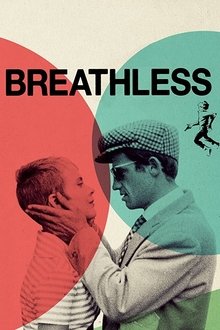
Breathless (1960)
A small-time thief steals a car and impulsively murders a motorcycle policeman. Wanted by the authorities, he attempts to persuade a girl to run away to Italy with him.
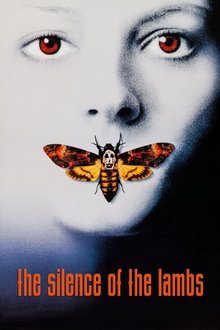
The Silence of the Lambs (1991)
Clarice Starling is a top student at the FBI's training academy. Jack Crawford wants Clarice to interview Dr. Hannibal Lecter, a brilliant psychiatrist who is also a violent psychopath, serving life behind bars for various acts of murder and cannibalism. Crawford believes that Lecter may have insight into a case and that Starling, as an attractive young woman, may be just the bait to draw him out.

Amadeus (1984)
Disciplined Italian composer Antonio Salieri becomes consumed by jealousy and resentment towards the hedonistic and remarkably talented young Salzburger composer Wolfgang Amadeus Mozart.
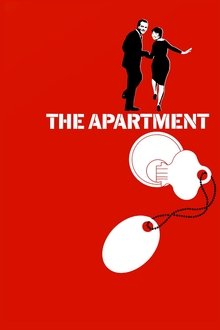
The Apartment (1960)
Bud Baxter is a minor clerk in a huge New York insurance company, until he discovers a quick way to climb the corporate ladder. He lends out his apartment to the executives as a place to take their mistresses. Although he often has to deal with the aftermath of their visits, one night he's left with a major problem to solve.
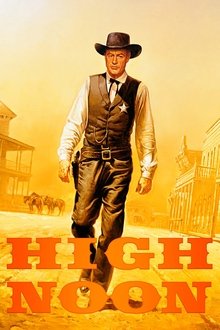
High Noon (1952)
Will Kane, the sheriff of a small town in New Mexico, learns a notorious outlaw he put in jail has been freed, and will be arriving on the noon train. Knowing the outlaw and his gang are coming to kill him, Kane is determined to stand his ground, so he attempts to gather a posse from among the local townspeople.