The study of a youth on the edge of adulthood and his aunt, ten years older. Fabrizio is passionate, idealistic, influenced by Cesare, a teacher and Marxist, engaged to the lovely but bourgeois Clelia, and stung by the drowning of his mercurial friend Agostino, a possible suicide. Gina is herself a bundle of nervous energy, alternately sweet, seductive, poetic, distracted, and unhinged. They begin a love affair after Agostino's funeral, then Gina confuses Fabrizio by sleeping with a stranger. Their visits to Cesare and then to Puck, one of Gina's older friends, a landowner losing his land, dramatize contrasting images of Italy's future. Their own futures are bleak.
Related Movies
Modern Times (1936)
A bumbling tramp desires to build a home with a young woman, yet is thwarted time and time again by his lack of experience and habit of being in the wrong place at the wrong time..
Roma (2004)
Joaquín Góñez, a novelist in his sixties recalls his emotions, his wild years in Buenos Aires, the memories of old friends, the meaning of loyalty and the intimate relationship with his mother, Roma.
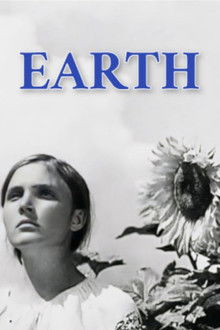
Earth (1930)
The film tells about the creation of the first collective farm communes and class enmity. Vasyl, a member of the Komsomol, with the help of a local party organization, gets a tractor and plows private boundaries "on kulak fields." However, this enthusiasm will cost him dearly.
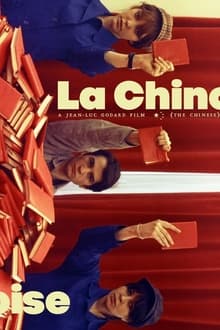
La Chinoise (1967)
A small group of French students are studying Mao, trying to find out their position in the world and how to change the world to a Maoistic community using terrorism.
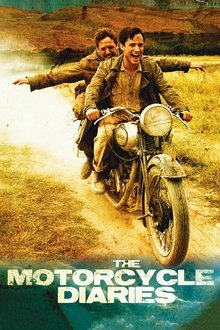
The Motorcycle Diaries (2004)
Based on the journals of Che Guevara, leader of the Cuban Revolution. In his memoirs, Guevara recounts adventures he and best friend Alberto Granado had while crossing South America by motorcycle in the early 1950s.

4 Months, 3 Weeks and 2 Days (2007)
Two college roommates have 24 hours to make the ultimate choice as they finalize arrangements for a black market abortion.
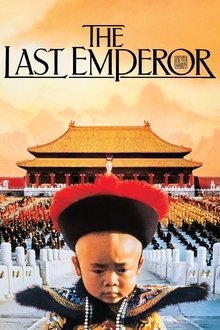
The Last Emperor (1987)
A dramatic history of Pu Yi, the last of the Emperors of China, from his lofty birth and brief reign in the Forbidden City, the object of worship by half a billion people; through his abdication, his decline and dissolute lifestyle; his exploitation by the invading Japanese, and finally to his obscure existence as just another peasant worker in the People's Republic.
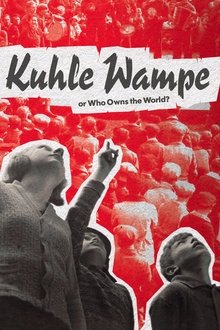
Kuhle Wampe or Who Owns the World? (1932)
Kuhle Wampe takes place in early-1930s Berlin. The film begins with a montage of newspaper headlines describing steadily-rising unemployment figures. This is followed by scenes of a young man looking for work in the city and the family discussing the unpaid back rent. The young man, brother of the protagonist Anni, removes his wristwatch and throws himself from a window out of despair. Shortly thereafter his family is evicted from their apartment. Now homeless, the family moves into a garden colony of sorts with the name “Kuhle Wampe.”
Animal Farm (1999)
Animals on a farm lead a revolution against the farmers to put their destiny in their own hands. However this revolution eats their own children and they cannot avoid corruption.
The Edukators (2004)
Three activists cobble together a kidnapping plot after they encounter a businessman in his home.
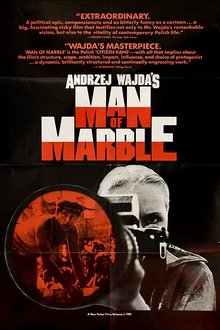
Man of Marble (1977)
A young Polish filmmaker sets out to find out what happened to Mateusz Birkut, a bricklayer who became a propaganda hero in the 1950s but later fell out of favor and disappeared.
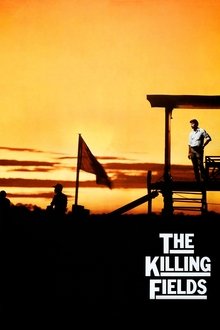
The Killing Fields (1984)
New York Times reporter Sydney Schanberg is on assignment covering the Cambodian Civil War, with the help of local interpreter Dith Pran and American photojournalist Al Rockoff. When the U.S. Army pulls out amid escalating violence, Schanberg makes exit arrangements for Pran and his family. Pran, however, tells Schanberg he intends to stay in Cambodia to help cover the unfolding story — a decision he may regret as the Khmer Rouge rebels move in.
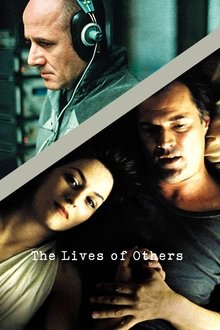
The Lives of Others (2006)
In 1984 East Berlin, dedicated Stasi officer Gerd Wiesler begins spying on a famous playwright and his actress-lover Christa-Maria. Wiesler becomes unexpectedly sympathetic to the couple, and faces conflicting loyalties when his superior takes a liking to Christa-Maria.

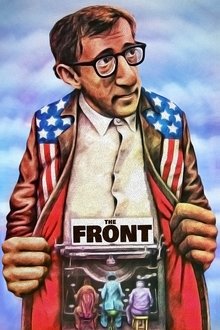
The Front (1976)
A cashier poses as a writer for blacklisted talents to submit their work through, but the injustice around him pushes him to take a stand.

Eight Miles High (2007)
Achim Bornhak's movie focuses on the restless life of Uschi Obermaier, the icon of the 1968 movement in Germany and groupie. At the age of 16, Uschi is bored by her job in a photo lab, but soon becomes the "it girl" of Munich's club scene. When she gets to know Rainer Langhans, they move to Berlin and live in "Kommune 1", the first politically-motivated commune in Germany. While the other occupants claim she isn't political enough, Uschi just wants to have fun, works as fashion model and leads international music stars in temptation.

The Exit Room (2013)
Imprisoned journalist Joseph Michaels faces a government execution during a future American Revolution.
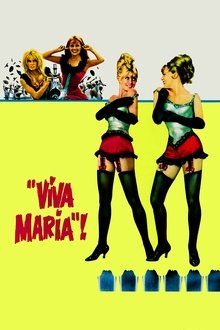
Viva Maria! (1965)
1907 Central America: Maria II is the daughter of an Irish terrorist. After her father's death, she meets Maria I, a performer, and decides to stay with the circus, and on her debut as a singer, unintentionally invents the striptease and makes the circus famous. Their inadvertent encounter with a socialist revolutionary lands them leading a revolution against the dictator, the capitalists, and the Church.