Kathryn Calder, one of the vocalists behind the Influential and successful indie band The New Pornographers, puts her life on hold when her mother is diagnosed with ALS. After moving back to her childhood home to care for her mother, she is inspired to record her first solo album, 'Are You My Mother?' there as a gift to her as she fights the disease. Old bandmates, friends, and a new extended family only recently discovered all join Kathryn in her and her mother's journey.
Related Movies
Gimme Shelter (1970)
A detailed chronicle of the famous 1969 tour of the United States by the British rock band The Rolling Stones, which culminated with the disastrous and tragic concert held on December 6 at the Altamont Speedway Free Festival, an event of historical significance, as it marked the end of an era: the generation of peace and love suddenly became the generation of disillusionment.
What's With Wheat? (2016)
Why are so many people wheat-intolerant or sensitive to wheat? And why is wheat linked to so many modern-day health problems, when it has been a staple of the human diet for thousands of years? In this documentary, a nutritionist interviews 14 experts, to understand how wheat has changed since it was first cultivated, how these changes could be affecting human health, and how people can break a dietary cycle that could be making them sick.
Urbanites - You Can't Rewind The Years (2010)
When you listen to The Years, the debut studio recording from Urbanites, you're hearing a band in progress. They wanted to make The Years differently, and decided to record the album together, live, in the same space - Studio A of Electrical Audio in Chicago, Illinois. With the exception of limited overdubs, (vocals, drum ensembles and laptop atmospherics) each song represented one collective take, warmly captured to two inch analogue tape. This recording method embraced the mistake as much as the moment. They also chose to document the making of the record with a film, appropriately titled, 'You Can't Rewind The Years'. With a new understanding and years of progress to come, these longtime friends are making the music that they'd always hoped to. As they sing, in The Years' standout track Restless, "Not without trial, not without err - this brokenness is ours to share."
Super Size Me (2004)
Morgan Spurlock subjects himself to a diet based only on McDonald's fast food three times a day for thirty days without exercising to try to prove why so many Americans are fat or obese. He submits himself to a complete check-up by three doctors, comparing his weight along the way, resulting in a scary conclusion.
A Imagem da Música - Os Anos de Influência da MTV Brasil (2017)
The documentary goes through the 23 years of MTV Brazil, taking stock from the avant-garde to the ostracism of the broadcaster that was the main guide for the musical, cultural and social formation of young people in the 90's and 2000's with interviews and testimonials from former VJ's and artists that emerged and became popular in the country because of the channel.
Poly Styrene: I Am a Cliché (2021)
The death of punk icon and X-Ray Spex front-woman Poly Styrene sends her daughter on a journey through her mother's archives in this intimate documentary.
Neil Young: Solo Trans (1984)
Solo Trans is a concert film by Neil Young, released in 1984. It was recorded at the Hara Arena in Dayton, Ohio on September 18, 1983 during Young's Solo Trans tour.
Neil Diamond: I'm Glad You're Here with Me Tonight (1977)
The majestic Neil Diamond live! Prepare to melt.
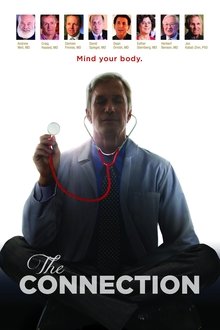
The Connection (2014)
The Connection is a film about how frontier research is proving that there is a direct connection between your mind and your health.
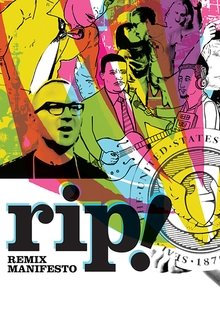
RiP!: A Remix Manifesto (2008)
RiP!: A Remix Manifesto is a 2008 open source documentary film about the "the changing concept of copyright" directed by Brett Gaylor.
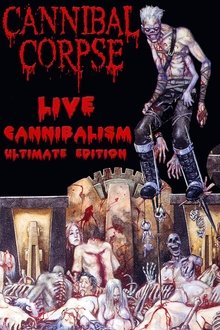
Cannibal Corpse: Live Cannibalism (2000)
Live show filmed during the Death Metal Massacre tour on February 16, 2000 at the Rave in Milwaukee, WI. One of the most extreme heavy metal bands ever, Cannibal Corpse acknowledge no boundaries of speed, power, or "good taste" in this full-on concert video. Cannibal Corpse: Live Cannibalism features interviews with the members of the band and their loyal fans in between numbers, in which they tear through a range of classic tunes.
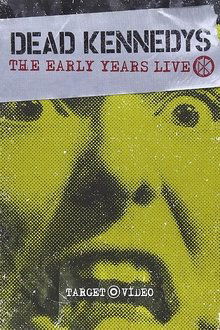
Dead Kennedys: The Early Years Live (1987)
An overview of the early years--late 1970s, early 1980s--of San Francisco punk band Dead Kennedys, with clips from some of their live concerts and footage of landmark San Francisco locations of the punk music scene. Jello Biafra and The Dead Kennedys show why they're the kings of satire in 9 live early performances.
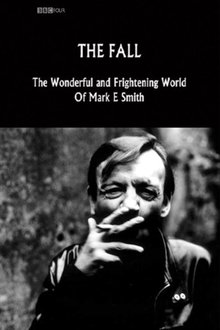
The Fall: The Wonderful and Frightening World of Mark E. Smith (2005)
A 1-hour Documentary looking at the Manchester post-punk group and its infamous leader Mark E Smith. The Film follows the current band recording their final Session for the John Peel Show (they were his favourite group and recorded more sessions than any other band) as well as chronicling the chaotic history of the band & its numerous line-up changes.
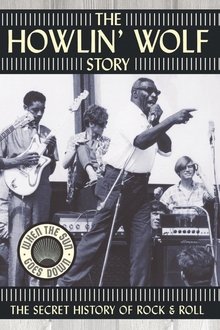
The Howlin' Wolf Story: The Secret History of Rock & Roll (2003)
Arguably second only to Muddy Waters among the Mississippi Delta singers who traveled north and pioneered urban electric blues (their supposed rivalry is the subject of one of this DVD's bonus features), Wolf was a big, imposing man with an inimitable, booming voice and a lasting influence on generations of rock & rollers--all of which comes across in the 90-minute film.
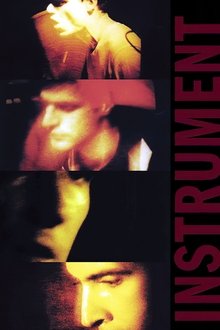
Instrument (1999)
The band Fugazi is documented over a period of more than ten years (1987-1998) through performance footage and interviews with the band and their fans. Director Jem Cohen's relationship with band member Ian MacKaye extends back to the 1970s when the two met in high school in Washington, D.C.. The film takes its title from the Fugazi song of the same name, from their 1993 album, In on the Kill Taker. Editing of the film was done by both Cohen and the members of the band over the course of five years. It was shot from 1987 through 1998 on super 8, 16mm and video and is composed mainly of footage of concerts, interviews with the band members, practices, tours and time spent in the studio recording their 1995 album, Red Medicine. The film also includes portraits of fans as well as interviews with them at various Fugazi shows around the United States throughout the years.
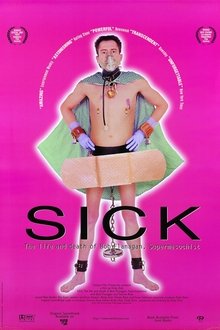
Sick: The Life and Death of Bob Flanagan, Supermasochist (1997)
The story of Robert Flanagan, a man who was born with cystic fibrosis and told he wouldn't live past 20, who through a unique odyssey of masochism, art and love found a way to live decades past his expiration date.

Copyright Criminals (2009)
Copyright Criminals examines the creative and commercial value of musical sampling, including the related debates over artistic expression, copyright law, and (of course) money. This documentary traces the rise of hip-hop from the urban streets of New York to its current status as a multibillion-dollar industry. For more than thirty years, innovative hip-hop performers and producers have been re-using portions of previously recorded music in new, otherwise original compositions. When lawyers and record companies got involved, what was once referred to as a “borrowed melody” became a “copyright infringement.” The film showcases many of hip-hop music’s founding figures like Public Enemy, De La Soul, and Digital Underground—while also featuring emerging hip-hop artists from record labels Definitive Jux, Rhymesayers, Ninja Tune, and more.

The Circle (1967)
Produced in 1967, this black and white film is an inmate's view of Daytop, a drug treatment centre on Staten Island, New York, where addicts learn to get along without drugs. Uncompromising, often brutal group therapy sessions are designed to shake loose the excuses a victim makes for himself. The people and situations shown are authentic; only one actor was employed. The results obtained at Daytop are regarded by some psychiatrists as a breakthrough.
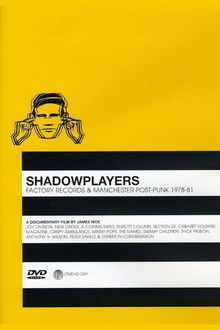
Shadowplayers: Factory Records and Manchester Post-Punk 1978-81 (2006)
Shadowplayers is a two hour documentary film by James Nice tracing the early history of iconic Manchester Label Factory Records between 1978 and 1981. The facts and the fictions are explored through candid interviews with 22 key participants, including Anthony H. Wilson (Founder) and Peter Saville (Designer), as well as musicians including Peter Hook (Joy Division/New Order), Vini Reilly (Durutti Common), Simon Topping and Martin Moscrop (A Certain Ratio), Chris Watson (Cabaret Voltaire) and Howard Devoto (Buzzcocks/Magazine). The film is divided into 19 chapters, covering subjects such as The Factory Club, sleeve art and graphic design, producer Martin Hannett, the riot at the Joy Division concert at Bury in April 1980, The Factory Beneleux connection, the tragic suicide of Joy Division singer Ian Curtis, the beginnings of New Order, and the decline of the post-punk culture in 1981.