Today, few people's clothes attract as much attention as the royal family, but this is not a modern-day paparazzi-inspired obsession. Historian Dr. Lucy Worsley, Chief Curator at Historic Royal Palaces, reveals that it has always been this way. Exploring the royal wardrobes of our kings and queens over the last four hundred years, Lucy shows this isn't just a public fascination, but an important and powerful message from the monarchs. From Elizabeth I to the present Queen Elizabeth II, Lucy explains how the royal wardrobe's significance goes far beyond the cut and color of the clothing. Royal fashion is, and has always been, regarded as a very personal statement to reflect their power over the reign. Most kings and queens have carefully choreographed every aspect of their wardrobe; for those who have not, there have sometimes been calamitous consequences. As much today as in the past, royal fashion is as much about politics as it is about elegant attire.
Related Movies
The September Issue (2009)
A documentary chronicling Vogue editor-in-chief Anna Wintour's preparations for the 2007 fall-fashion issue.
Henry V (1944)
In 1415, in the midst of the Hundred Years' War, the young King Henry V of England embarks on the conquest of France.
Anne of the Thousand Days (1969)
Henry VIII of England discards his wife, Katharine of Aragon, who has failed to produce a male heir, in favor of the young and beautiful Anne Boleyn.

How To Get Ahead at Medieval Court (2014)
Writer Broadcaster and Newsnight arts correspondent Stephen Smith finds out what it took to get ahead at the court of Richard II.
The Young Victoria (2009)
As the only legitimate heir of England's King William, teenage Victoria gets caught up in the political machinations of her own family. Victoria's mother wants her to sign a regency order, while her Belgian uncle schemes to arrange a marriage between the future monarch and Prince Albert, the man who will become the love of her life.
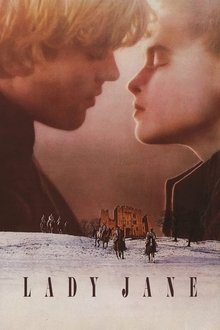
Lady Jane (1986)
The death of King Henry VIII throws his kingdom into chaos because of succession disputes. His weak son, Edward, is on his deathbed. Anxious to keep England true to the Reformation, a scheming minister John Dudley marries off his son, Guildford to Lady Jane Grey, whom he places on the throne after Edward dies. At first hostile to each other, Guildford and Jane fall in love, but they cannot withstand the course of power which will lead to their ultimate downfall.
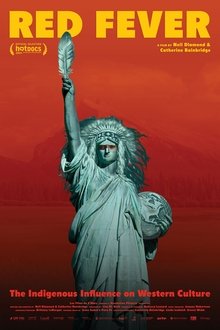
Red Fever (2024)
Red Fever is a witty and entertaining feature documentary about the profound -- yet hidden -- Indigenous influence on Western culture and identity. The film follows Cree co-director Neil Diamond as he asks, “Why do they love us so much?!” and sets out on a journey to find out why the world is so fascinated with the stereotypical imagery of Native people that is all over pop culture. Why have Indigenous cultures been revered, romanticized, and appropriated for so long, and to this day? Red Fever uncovers the surprising truths behind the imagery -- so buried in history that even most Native people don't know about them.
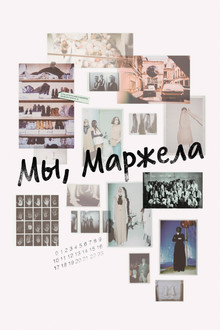
We Margiela (2017)
We Margiela tells the untold and intimate story of the enigmatic and singular fashion house Maison Martin Margiela. For the first time co-founder Jenny Meirens and members of the creative team that formed the heart of the house speak about the creative processes and unique philosophy of Margiela. Their stories, told through detailed and intimate interviews, give unprecedented insight in the genesis of one of the most influential fashion houses of our time. The film investigates the legacy of Margiela and its relevance for fashion and authorship today.
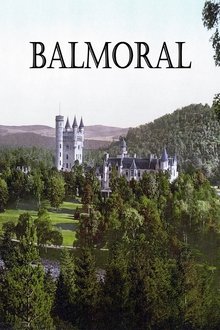
Balmoral (2009)
Documentary telling the story of Balmoral, the royal family's most private residence. For over 150 years this Scottish castle has been home to royal traditions of picnics, stag hunting and kilts. From prime ministers to Princess Diana, life at this tartan-bound holiday home has not appealed to everyone. But there is another story of Balmoral, of how the royal family has played a role in shaping modern Scotland and how Scotland has shaped the royal family. Queen Victoria's adoption of Highland symbols, from tartan to bagpipes, helped create a new image for Scotland. Her values, too, helped strengthen the union between Scotland and England. Ever since, Balmoral has been a place that reflects the very essence of the royal family.
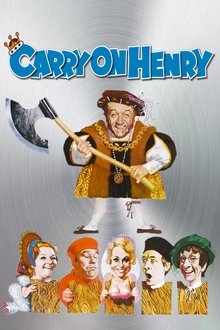
Carry On Henry (1971)
Henry VIII has just married Marie of Normandy, and is eager to consummate their marriage. Unfortunately for Henry, she is always eating garlic, and refuses to stop. Deciding to get rid of her in his usual manner, Henry has to find some way of doing it without provoking war with Marie's cousin, the King of France. Perhaps if she had an affair...
Westminster Abbey (1945)
The history of Westminster Abbey and a tour of the monuments within it; accompanied by choral music and including footage of the coronation of King George VI in 1937.

A Man for All Seasons (1966)
A depiction of the conflict between King Henry VIII of England and his Lord Chancellor, Sir Thomas More, who refuses to swear the Oath of Supremacy declaring Henry Supreme Head of the Church in England.
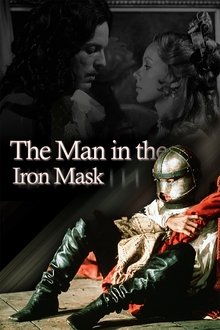
The Man in the Iron Mask (1977)
Years have passed since the Three Musketeers, Aramis, Athos and Porthos, have fought together with their friend, D'Artagnan. But with the tyrannical King Louis using his power to wreak havoc in the kingdom while his twin brother, Philippe, remains imprisoned, the Musketeers reunite to abduct Louis and replace him with Philippe.
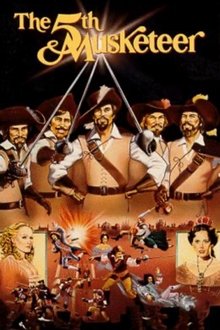
The Fifth Musketeer (1979)
King Louis XIV has without his knowledge a twin brother, Philippe, but when he is told, he immediately locks up his brother in the Bastille. The king wants to increase his popularity and stages an assassination against himself where Philippe is dressed as king Louis. But Philippe manages to escape the assassination and everybody believes him to be the real king...

Sierra Quitiquit: How Did I Get Here (2015)
From humble beginnings, complex family dynamics and tragic, life-changing events, to her unlikely rise to success in two very different worlds: fashion modeling and professional skiing. “How Did I Get Here” is a coming-of-age story, full of adventure, exploration, heartbreak, growth and inspiration.
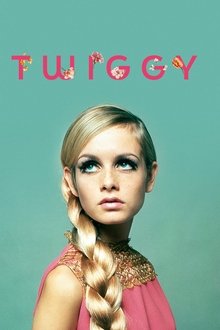
Twiggy (2025)
Twiggy takes a comprehensive look at the life story of UK model and cultural icon Twiggy, real name Lesley Lawson, whose career kickstarted in the 1960s. It features interviews with Twiggy and her husband Leigh Lawson, as well as commentary from Erin O’Connor, Paul McCartney, Lulu, Poppy Delavigne, Brooke Shields, Pattie Boyd and Zandra Rhodes.
Postmodernism: The Substance of Style (2011)
This film features some of the most important living Postmodern practitioners, Charles Jencks, Robert A M Stern and Sir Terry Farrell among them, and asks them how and why Postmodernism came about, and what it means to be Postmodern. This film was originally made for the V&A exhibition 'Postmodernism: Style and Subversion 1970 - 1990'.
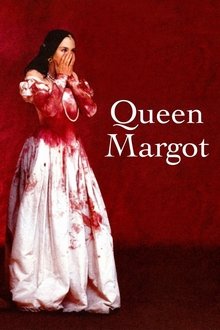
Queen Margot (1994)
Paris, Kingdom of France, August 18, 1572. To avoid the outbreak of a religious war, the Catholic princess Marguerite de Valois, sister of the feeble King Charles IX, marries the Huguenot King Henry III of Navarre.
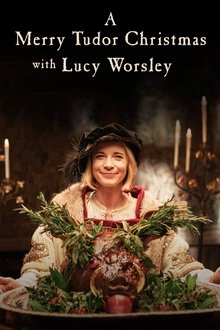
A Merry Tudor Christmas with Lucy Worsley (2019)
Recreating festivities from Henry VIII's era, Lucy Worsley dresses, eats, drinks, sings and parties like it is 500 years ago - discovering long-lost traditions as well as familiar customs.
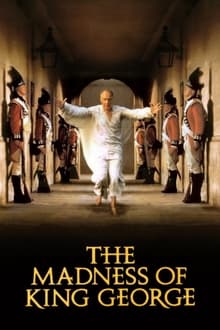
The Madness of King George (1994)
Aging King George III of England is exhibiting signs of madness, a problem little understood in 1788. As the monarch alternates between bouts of confusion and near-violent outbursts of temper, his hapless doctors attempt the ineffectual cures of the day. Meanwhile, Queen Charlotte and Prime Minister William Pitt the Younger attempt to prevent the king's political enemies, led by the Prince of Wales, from usurping the throne.