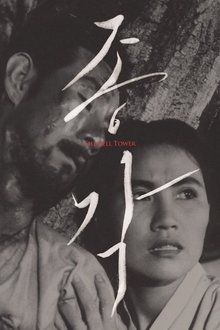
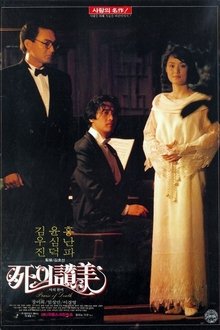
Based on the life of the Korean anarchist Park Yeol, the film shows his struggle to counter the massacre of Koreans by the government during the 1923 great Kanto earthquake, focusing on his activities as the leader of the anti-Japanese organization Bulryeongsa and his relationship with Japanese comrade Fumiko Kaneko.
Related Movies
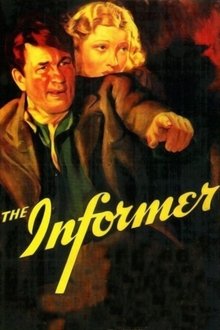
The Informer (1935)
Gypo Nolan is a former Irish Republican Army man who drowns his sorrows in the bottle. He's desperate to escape his bleak Dublin life and start over in America with his girlfriend. So when British authorities advertise a reward for information about his best friend, current IRA member Frankie, Gypo cooperates. Now Gypo can buy two tickets on a boat bound for the States, but can he escape the overwhelming guilt he feels for betraying his buddy?
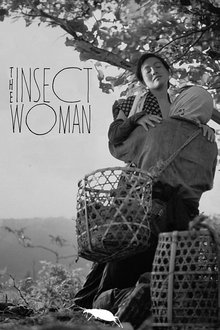
The Insect Woman (1963)
A woman, Tome, is born to a lower class family in Japan in 1918. The title refers to an insect, repeating its mistakes, as in an infinite circle. Imamura, with this metaphor, introduces the life of Tome, who keeps trying to change her poor life.
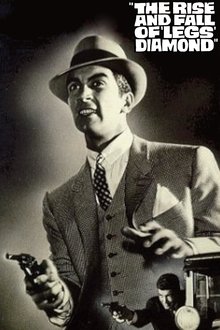
The Rise and Fall of Legs Diamond (1960)
Jack Diamond and his sickly brother arrive in prohibition New York as jewelry thieves. After a spell in jail, the coldly ambitious Diamond hits on the idea of stealing from thieves himself and sets about getting close to gangster boss Arnold Rothstein to move in on his booze, girls, gambling, and drugs operations.
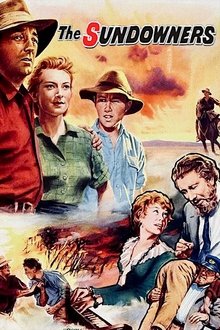
The Sundowners (1960)
In the Australian Outback, the Carmody family--Paddy, Ida, and their teenage son Sean--are sheep drovers, always on the move. Ida and Sean want to settle down and buy a farm. Paddy wants to keep moving. A sheep-shearing contest, the birth of a child, drinking, gambling, and a racehorse will all have a part in the final decision.
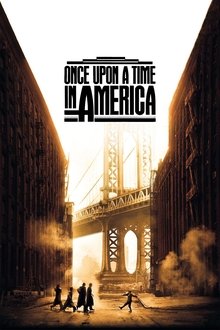
Once Upon a Time in America (1984)
A former Prohibition-era Jewish gangster returns to the Lower East Side of Manhattan over thirty years later, where he once again must confront the ghosts and regrets of his old life.
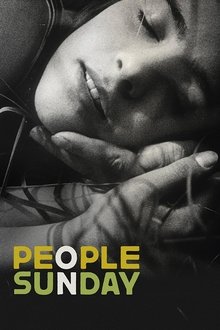
People on Sunday (1930)
A semi-documentary experimental 1930 German silent film created by amateurs with a small budget. With authentic scenes of the metropolis city of Berlin, it's the first film from the later famous screenwriters/directors Billy Wilder and Fred Zinnemann.
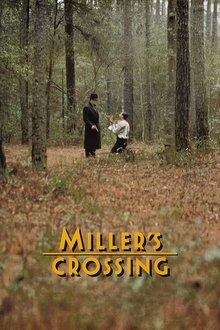
Miller's Crossing (1990)
Set in 1929, a political boss and his advisor have a parting of the ways when they both fall for the same woman.
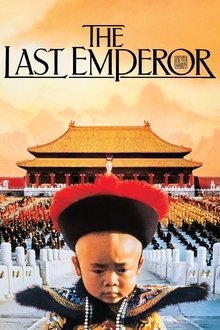
The Last Emperor (1987)
A dramatic history of Pu Yi, the last of the Emperors of China, from his lofty birth and brief reign in the Forbidden City, the object of worship by half a billion people; through his abdication, his decline and dissolute lifestyle; his exploitation by the invading Japanese, and finally to his obscure existence as just another peasant worker in the People's Republic.

The Tin Drum (1979)
In 1924, Oskar Matzerath is born in the Free City of Danzig. At age three, he falls down a flight of stairs and stops growing. In 1939, World War II breaks out.
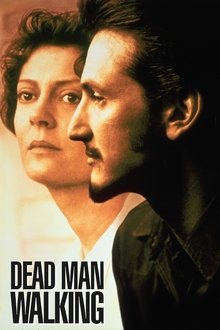
Dead Man Walking (1995)
A death row inmate turns for spiritual guidance to a local nun in the days leading up to his scheduled execution for the murders of a young couple.
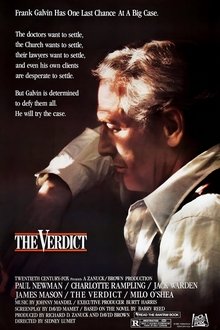
The Verdict (1982)
Frank Galvin is a down-on-his-luck lawyer and reduced to drinking and ambulance chasing, when a former associate reminds him of his obligations in a medical malpractice suit by serving it to Galvin on a silver platter—all parties are willing to settle out of court. Blundering his way through the preliminaries, Galvin suddenly realizes that the case should actually go to court—to punish the guilty, to get a decent settlement for his clients... and to restore his standing as a lawyer.
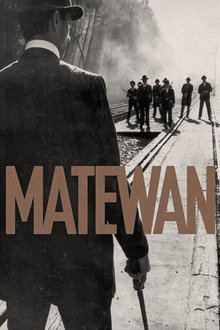
Matewan (1987)
Filmed in the coal country of West Virginia, "Matewan" celebrates labor organizing in the context of a 1920s work stoppage. Union organizer, Joe Kenehan, a scab named "Few Clothes" Johnson and a sympathetic mayor and police chief heroically fight the power represented by a coal company and Matewan's vested interests so that justice and workers' rights need not take a back seat to squalid working conditions, exploitation and the bottom line.

The Razor's Edge (1984)
An American WWI veteran undertakes a spiritual quest that takes him from Paris to Nepal to the Himalayas and back to his hometown. Upon his return, he discovers he is not the only one who has changed.

Agnes of God (1985)
When a dead newborn is found, wrapped in bloody sheets, in the bedroom wastebasket of a young novice, psychiatrist Martha Livingston is called in to determine if the seemingly innocent novice, who knows nothing of sex or birth, is competent enough to stand trial for the murder of the baby.
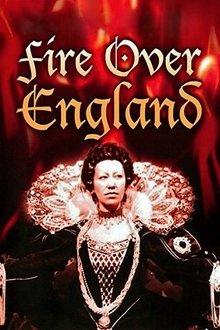
Fire Over England (1937)
The film is a historical drama set during the reign of Elizabeth I (Flora Robson), focusing on the English defeat of the Spanish Armada, whence the title. In 1588, relations between Spain and England are at the breaking point. With the support of Queen Elizabeth I, British sea raiders such as Sir Francis Drake regularly capture Spanish merchantmen bringing gold from the New World.
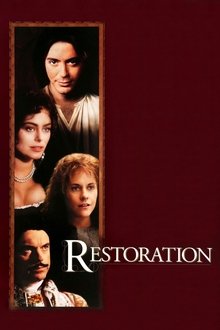
Restoration (1995)
An aspiring young physician, Robert Merivel found himself in the service of King Charles II and saves the life of someone close to the King. Merivel joins the King's court and lives the high life provided to someone of his position. Merivel is ordered to marry his King's mistress in order to divert the queens suspicions. He is given one order by the king and that is not to fall in love. The situation worsens when Merivel finds himself in love with his new wife. Eventually, the King finds out and relieves Merivel of his position and wealth. His fall from grace leaves Merivel where he first started. And through his travels and reunions with an old friend, he rediscovers his love for true medicine and what it really means to be a physician.