A different history of the Cold War: how Estonians under Soviet tyranny began to feel the breeze of freedom when a group of anonymous dreamers successfully used improbable methods to capture the Finnish television signal, a window into Western popular culture, brave but harmless warriors who helped change the fate of an entire nation.
Related Movies
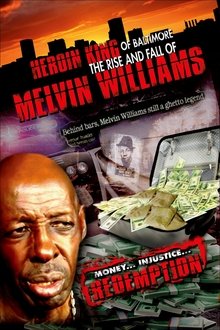
Heroin King of Baltimore: The Rise and Fall of Melvin Williams (2013)
Baltimore City officials asked drug kingpin Melvin Williams to stop the riots happened following Martin Luther King's assassination. After helping the authorities out, Williams was then labeled a threat, framed and incarcerated by a hypocritical society.

Land of White Alice (1960)
Film sponsored by Western Electric (AT&T's equipment manufacturing division), the builder of the United States Air Force's White Alice Communications System in Alaska. Introduces the people and geography of the new state as well as the Western Electric radio-relay system, which links far-flung military sites, alert stations, and missile-warning facilities. Ralph Caplan praised the film's "intrinsically dramatic and highly photogenic" portrayal of communications equipment.

A Very Animated War (2021)
From 1945 to 1989, after the capitulation of Nazi Germany, two rival ideologies, communism and capitalism, faced each other in a merciless battle. On one side of the Iron Curtain and on the other, throughout the Cold War, the USSR and the United States sought to shape children’s imaginations through their magazines and films. Never in the history of mankind have so many comic books been published and so many cartoons produced for young people. In November 1989, communism collapsed with the Berlin Wall; capitalism was left to decide the future of the world. What if this victory had been prepared for a long time, and our thinking conditioned, from our early childhood, to ensure this absolute triumph?
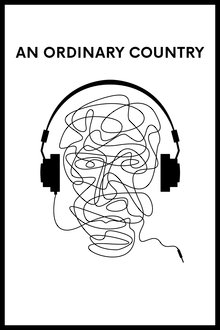
An Ordinary Country (2020)
The story of what daily life was like in Poland under communism: private conversations, cruel interrogations, recruitment attempts, recorded and filmed with hidden devices; of how the secret services spied on every activity of ordinary citizens: nothing escaped the brutal system of control developed by the Soviets in the name of freedom.
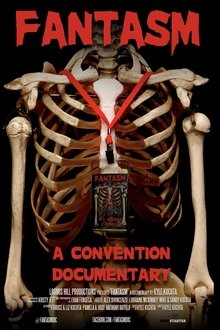
Fantasm (2013)
At 15 years old, Kyle Kuchta went to his first horror convention. Years later, he visits multiple cons to understand why these gatherings are so important to horror fans, vendors and celebrity guests.
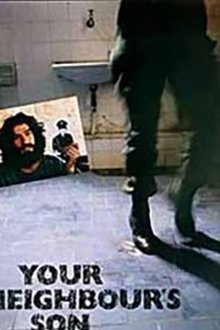
Your Neighbour's Son (1981)
The film documents the conversion of young Greek Military Police (ESA) recruits into torturers and touches on the subject of the power of the institution to compel otherwise moral human beings to torture. The documentary examines the processes and methods of the military junta that ruled Greece from 1967 to 1974.
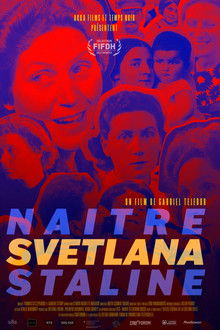
Naître Svetlana Staline (2023)
In 1967, in the middle of the Cold War, Joseph Stalin's only daughter goes to the American embassy in New Delhi and asks for asylum. Svetlana leaves behind her country and her two children. Hunted by the press, the KGB, and many admirers, the woman, nicknamed the Kremlin princess, will never cease to flee. From the summit of the Soviet empire to the solitude and poverty of her last years in a Wisconsin home, Gabriel Tejedor traces the destiny of a resolutely free woman, at the very heart of the century and its geopolitical challenges.
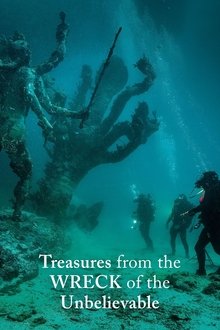
Treasures from the Wreck of the Unbelievable (2017)
This cinematic journey into the waters off East Africa chronicles the story behind artist Damien Hirst's massive exhibition of oceanic treasures.

Khrushchev Does America (2013)
The story of the unconditional, no-holds-barred tour of America by Soviet Premier Nikita Khrushchev, leader of World Communism and America's arch nemesis, during 13 sun-filled days in the fall of 1959.

Lewis Capaldi: How I'm Feeling Now (2023)
An intimate, all-access documentary that will chronicle Lewis Capaldi's journey from a scrappy teen with a viral performance to a Grammy-nominated pop star.
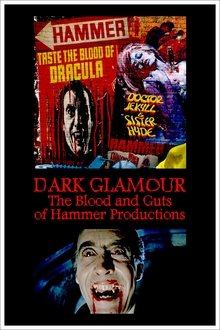
Dark Glamour: The Blood and Guts of Hammer Productions (2017)
The greatness, fall and renaissance of Hammer, the flagship company of British popular cinema, mainly from 1955 to 1968. Tortured women and sadistic monsters populated oppressive scenarios in provocative productions that shocked censorship and disgusted critics but fascinated the public. Movies in which horror was shown in offensive colors: dreadful stories, told without prejudices, that offered fear, blood, sex and stunning performances.
Cult Culture: The Poseidon Adventure (2003)
This documentary follows avid fans and the pop cultural impact of the classic disaster movie The Poseidon Adventure.

The Crazy Che (2015)
The incredible story of Bill Gaede, an Argentinian engineer, programmer… and Cold War spy.
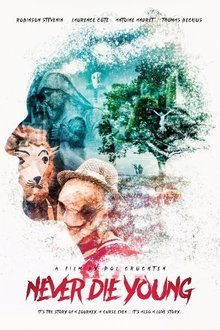
Never Die Young (2014)
An unnamed man narrates the downward trajectory of his life from beyond the grave, from delinquency to the string of fateful decisions and foolhardy moves that tied him inextricably to the opiate that was the elusive love of his life.
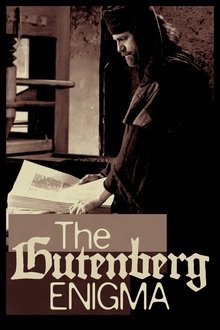
The Gutenberg Enigma (2017)
A portrait of the inventor of the letterpress, who was a key figure in the history of mankind, but also an enthusiastic inventor, a daring businessman, a tenacious troublemaker: the life of Johannes Gutenberg (circa 1400-68).

42:6 - Ben Gurion (1969)
The title is a reference to the Book of Isaiah 42:6, “I, the LORD, have called thee in righteousness, and will hold thine hand, and will keep thee free, and give thee for a covenant of the people, for a light of the Gentiles.” The film is an episodic, cinematic biography of David Ben-Gurion, from his days as a youth in Poland when he met Herzl in the town of Plonsk, through his move to Palestine/Israel, becoming leader, the days of the Independence War and the establishing of the State of Israel, signing the reparations agreement with Germany, and all the way to the making of this film – in the aftermath of the Six-Day War. Perlov’s film highlights all the key milestones in the leader’s life which it goes about doing in the tradition of the reflexive documentary, through the creator’s subjective and artistic pov. The film goes back and forth between documentary and scripted scenes, black and white and technicolour, and even archival footage colourised in bold, artificial colours.
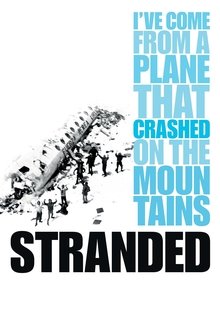
Stranded: I've Come from a Plane That Crashed on the Mountains (2008)
The story, told by the survivors, of a group of young men, members of a Uruguayan rugby team, who managed to survive for 72 days, at an altitude of almost 4,000 meters, in the heart of the Andes Mountains, after their plane, en route to Chile, crashed there on October 13, 1972.