Film on the movement of material from the Chicago and Northwestern System.
Related Movies

Bybanen i Bergen Minute By Minute (2010)
The 28-minute presentation Bybanen i Bergen – minutt for minutt showed a trip on the Bergen Light Rail from Nesttun to Bergen, shortly after the opening of the line in June 2010.

Flåmsbana Minute By Minute (2010)
Experience one of the most spectacular train journeys in Norway from the orchestra stand. Join us minute by minute from high mountain to fjord. The journey starts at Myrdal station on the Bergen Railway and winds from 866 meters above sea level down to Flåm by the Sognefjord.
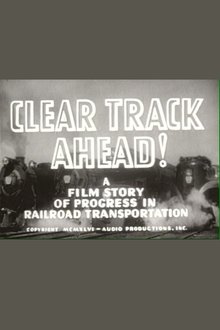

The Power Behind the Nation (1947)
A Documentary on the railways and their role in supporting the United States
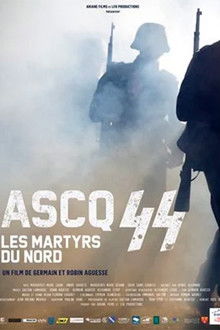
Ascq 44 (2025)
Witnesses discuss the Ascq massacre by the Waffen-SS during the Second World War 80 years later.
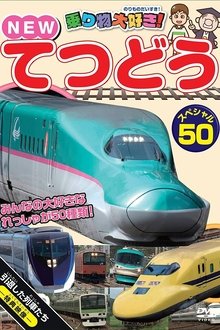
Norimono Daisuki! New Tetsudou Special 50 (2012)
"Tetsudou" version of the series full of popular vehicles for children. Fifty kinds of trains selected from the railway active in Japan such as Shinkansen, SL (steam locomotive), limited express, etc. are recorded with powerful images. Introducing a nostalgic train that is not running now as a bonus picture.
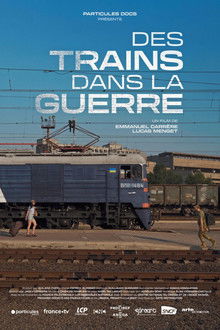

This Is My Railroad (1946)
A film about the Southern Pacific Railroad and the men and women who keep the trains running.
The Modern Coal Burning Steam Locomotive (1942)
Documentary on the evolution and introduction of modern coal burning locomotives on the Norfolk and Western Railway line.
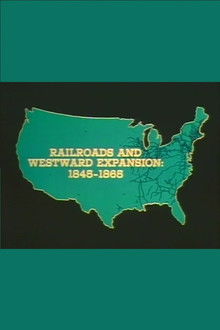
Railroads and Western Expansion 1845-1865 (NaN)
A BFA Educational media production on western expansion via railroads and the role they played in the foundation of the Americas

Railroad Man (1967)
The story of the railroad man in his role in keeping the trains moving on the rails.
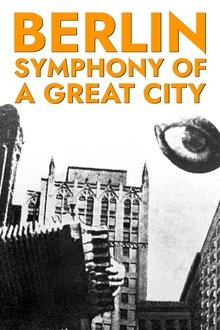
Berlin: Symphony of a Great City (1927)
A day in the city of Berlin, which experienced an industrial boom in the 1920s, and still provides an insight into the living and working conditions at that time. Germany had just recovered a little from the worst consequences of the First World War, the great economic crisis was still a few years away and Hitler was not yet an issue at the time.
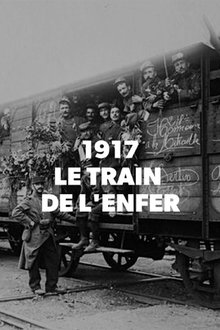
1917, The Train from Hell (2019)
1917, The Train from Hell is an historical documentary about a train accident during WW1.
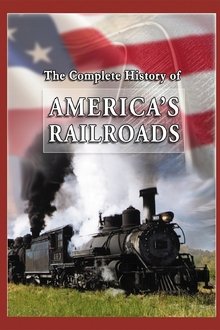
The Complete History of America's Railroads (2010)
No matter what your age you'll love watching this impressive and comprehensive story of the development of railroading in America. Rail enthusiasts as well as history buffs, teachers and home schoolers, plus kids of all ages will appreciate this magnificent rail adventure covering live action historic operating railroads, rare photos of drawings and valuable memorabilia, and live action re-enactments. Featuring spectacular cinematography and an inspiring musical score, this Award-Winning four part DVD covers over one-hundred years of railroading evolution.
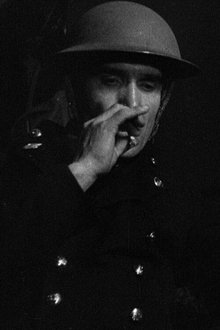
Newspaper Train (1942)
The story of how newspapers were distributed during the Blitz, stressing the importance of an accurate and objective press on the home front.
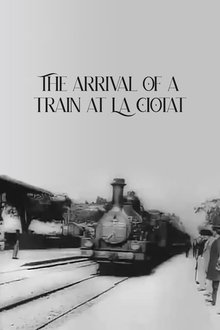
The Arrival of a Train at La Ciotat (1896)
A group of people are standing along the platform of a railway station in La Ciotat, waiting for a train. One is seen coming, at some distance, and eventually stops at the platform. Doors of the railway-cars open and attendants help passengers off and on. Popular legend has it that, when this film was shown, the first-night audience fled the café in terror, fearing being run over by the "approaching" train. This legend has since been identified as promotional embellishment, though there is evidence to suggest that people were astounded at the capabilities of the Lumières' cinématographe.
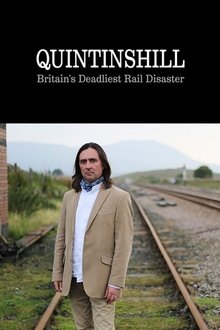
Quintinshill: Britain's Deadliest Rail Disaster (2015)
Neil Oliver describes the worst ever railway accident in the UK, which happened a hundred years ago on 22 May 1915, in which three trains collided at Quintinshill near Gretna Green. One of the trains was a troop train taking soldiers to fight in World War I at the Battle of Gallipoli: many of the dead were in this train which caught fire due to escaped gas from the archaic gas lighting in the carriages. The cause of the crash was attributed to a catastrophic signalman's error, but Neil examines whether there were other contributory factors and whether there was a cover-up to prevent investigation of them, making convenient scapegoats of the signalmen.