The key male members of the far-right political party Golden Dawn are imprisoned accused of carrying out organized criminal activity. To maintain Golden Dawn's position as the fifth largest political party in Greece, their daughters, wives and mothers step up to the task of leading the party through the upcoming elections.
Related Movies

Ivanka Trump- America's Real First Lady? (2017)
Donald Trump's daughter Ivanka has been appointed to an official role within the White House, but what does she believe in and how much political clout does she actually have?

The Dialogue (NaN)
The journey of eight diverse youth in China confronting cultural differences. Crossing Borders - Widening Horizons - Building Bridges between Cultures
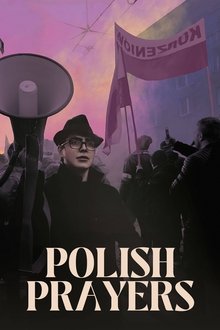
Polish Prayers (2022)
The tenth edition of Polish Pride parades a colorful trail of rainbow flags through the streets of Warsaw. Along the route, Antek and his friends line up to warn of the “pink threat” in prayer and edifying hymns. As traditional Catholics, he and his Brotherhood hold deeply conservative views: sex before marriage is out of the question, homosexuality can be cured, abortion is a great evil and Poland is for the Poles. His sister thinks his homophobic ranting is pointless, because in a few years the planet will be destroyed anyway as nobody is doing anything about climate change.
Prime Farmland (2020)
This documentary film follows farmers and activists fighting together to stop the Indiana Enterprise Center, a mega-sized industrial park planned west of South Bend, Indiana
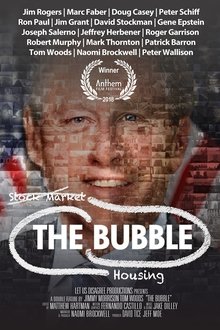
The Bubble (2018)
Diving deep into the true causes of the Great Recession, the financial crisis of the 2010s, renowned economists, investors and business leaders explain what America is facing if we don't learn from our past mistakes. Is the economy really improving or are we just blowing up another Bubble?
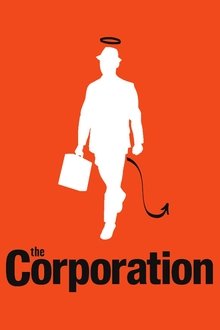
The Corporation (2003)
Since the late 18th century American legal decision that the business corporation organizational model is legally a person, it has become a dominant economic, political and social force around the globe. This film takes an in-depth psychological examination of the organization model through various case studies. What the study illustrates is that in the its behaviour, this type of "person" typically acts like a dangerously destructive psychopath without conscience. Furthermore, we see the profound threat this psychopath has for our world and our future, but also how the people with courage, intelligence and determination can do to stop it.

Rêves de France à Marseille (2003)
In June 1999, Jean-Claude Gaudin organized a great popular festival, "La Massalia", to celebrate all the communities that make up Marseilles and to show the desire of thousands of people from elsewhere to be Marseillais. A radiant rainbow. Less than a year later, in March 2000, the municipal campaign began: what about this new state of mind that seemed to be blowing over Marseilles' political life? Does it find a translation in the political sphere? How many children of recent immigration would be in an eligible position and would eventually be elected among the 101 municipal councilors?

Der grosse Kanton (2013)
Is the solution to Switzerland's future to integrate Germany into the confederation? After all, like Michael Ringier, CEO of the Ringier media group, says, blithely ignoring all minorities, we're very close in culture and language. Oskar Freysinger takes out his guitar and sings his answer. Politicians from French-speaking Switzerland and Ticino think expanding will help the country survive. The former German foreign minister thinks the two countries' traditions are too different. The banker Oswald Grübel is worried about Germany's debts, although he'd be prepared to take over its assets. With serious interviews interspersed with gags (boat people on Lake Constance, the last Habsburger as a peasant), Giaccobbo gathers off-the-cuff reactions which reveal a lot about the different mentalities. The movie laughs at preconceived notions, redefines neutrality and reflects on what designates a nation. Switzerland, which loves to teach the world a lesson, will soon helvetize the planet, oder?
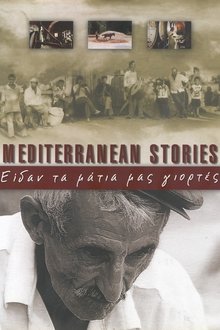
Mediterranean Stories (2000)
Pictures of the Mediterranean made with bread, oil and wine. In one meal the history, geography, economy, climate, culture and people of the Mediterranean. Close up of threshing floors, threshing floors, mills. Dietary habits, production methods, daily routines together with the natural and built environment make up the cultural body of the most interesting, perhaps, man-made environment in history. A culture that runs as a commonplace even in seemingly different worlds. The Mediterranean emerges in a sea of convergence and meeting without, however, ignoring the dynamics of the different.
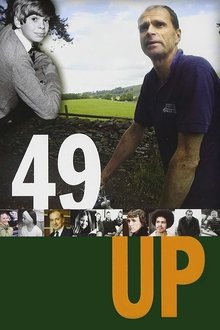
49 Up (2006)
49 Up is the seventh film in a series of landmark documentaries that began 42 years ago when UK-based Granada's World in Action team, inspired by the Jesuit maxim "Give me the child until he is seven and I will give you the man," interviewed a diverse group of seven-year-old children from all over England, asking them about their lives and their dreams for the future. Michael Apted, a researcher for the original film, has returned to interview the "children" every seven years since, at ages 14, 21, 28, 35, 42 and now again at age 49.In this latest chapter, more life-changing decisions are revealed, more shocking announcements made and more of the original group take part than ever before, speaking out on a variety of subjects including love, marriage, career, class and prejudice.
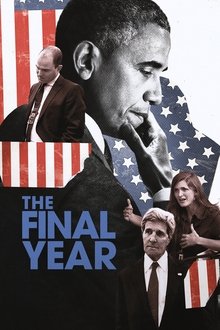
The Final Year (2018)
Featuring unprecedented access inside the White House and State Department, The Final Year offers an uncompromising view of the inner workings of the Obama Administration as they prepare to leave power after eight years.
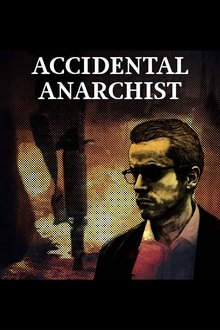
Accidental Anarchist (2017)
Carne Ross was a government highflyer. A career diplomat who believed Western Democracy could save us all. But working inside the system he came to see its failures, deceits and ulterior motives. He felt at first hand the corruption of power. After the Iraq war Carne became disillusioned, quit his job and started searching for answers.
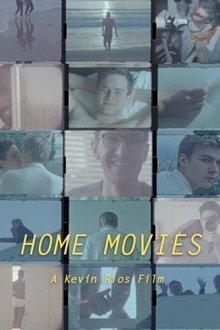
Home Movies (2017)
In this home movie collection of gay men, memory serves as an act of hope, power, and above all, resilience.
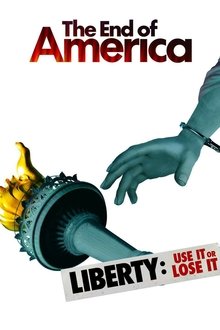
The End of America (2008)
Based on her book of the same name, Naomi Wolf presents controversial evidence that America has begun a frightening descent into dictatorship and fascism. American democracy, as we know it, is under attack. By examining the chilling parallels between the current state of our nation and the ascent of dictators and fascism in other once-free societies, Wolf urges viewers to open their eyes to the horrors that lie ahead. From the increased use of paramilitary groups to the construction of secret prisons and the targeted suspension of the rule of law, the warning signs are all there for people to wake up and finally take notice.

Barbershops Uncut: East Coast (2004)
A raw and uncensored look at what really goes down in urban barbershops.
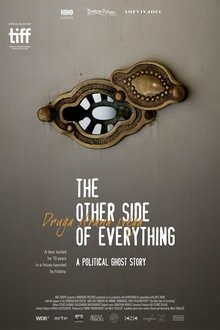
The Other Side of Everything (2017)
For Serbian filmmaker Mila Turajlic, a locked door in her mother's apartment in Belgrade provides the gateway to both her remarkable family history and her country's tumultuous political inheritance.
But... Seriously (1994)
A documentary juxtaposing the events of the 20th century with the commentary of stand-up comedians.
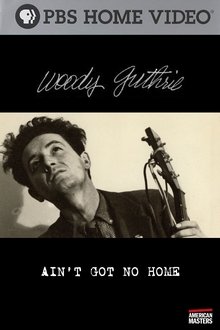
Woody Guthrie: Ain't Got No Home (2006)
Every American who has listened to the radio knows Guthrie's "This Land Is Your Land." The music of the folk singer/songwriter has been recorded by everyone from the Mormon Tabernacle Choir to U2. Originally blowing out of the Dust Bowl in Depression-era America, he blended vernacular, rural music and populism to give voice to millions of downtrodden citizens. Guthrie's music was politically leftist, uniquely patriotic and always inspirational.
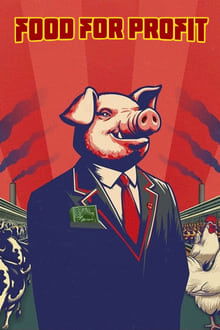
Food for Profit (2024)
The film exposes the links between Agrifood and politics. With a pool of international experts it analyses the many problems related to factory farming: water pollution, migrants exploitation, biodiversity loss and antibiotic resistance.
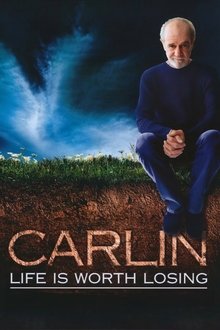
George Carlin: Life Is Worth Losing (2005)
Carlin returns to the stage in his 13th live comedy stand-up special, performed at the Beacon Theatre in New York City for HBO®. His spot-on observations on the deterioration of human behavior include Americans’ obsession with their two favorite addictions - shopping and eating; his creative idea for The All-Suicide Channel, a new reality TV network; and the glorious rebirth of the planet to its original pristine condition - once the fires and floods destroy life as we know it.