In 2016, Dutch birdwatcher Arjan Dwarshuis traveled the world to spot as many birds as possible in the span of one year, with the goal to break the big year world record (6042 species, set by Noah Strycker in 2015).
Related Movies

Siberian Apocalypse (2006)
This astounding documentary delves into the mysteries of the Tunguska event – one of the largest cosmic disasters in the history of civilisation. At 7.15 am, on 30th June 1908, a giant fireball, as bright the sun, exploded in the sky over Tunguska in central Siberia. Its force was equivalent to twenty million tonnes of TNT, and a thousand times greater than that of the atomic bomb dropped on Hiroshima in 1945. An estimated sixty million trees were felled over an area of over two thousand square kilometres - an area over half the size of Rhode Island. If the explosion had occurred over London or Paris, hundreds of thousands of people would have been killed.
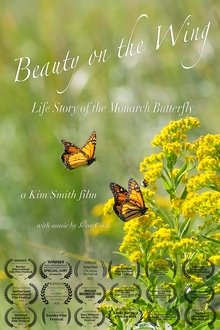
Beauty on the Wing: Life Story of the Monarch Butterfly (2020)
Beauty on the Wing: Life Story of the Monarch Butterfly is a 56-minute narrated film that unfolds along the shores of Cape Ann and in the heart of Mexico’s forested volcanic mountains. Every stage of the butterfly’s life cycle is experienced in vibrant close-up, from mating to egg to caterpillar to adult, and set against the backdrop of sea and forest, sun and wind.

The Mirage (2022)
Join us for a series of films which explore the highs and lows of long distance trail running. In this thrilling collection brought to you by adidas TERREX, watch the world’s best runners test the limits of resilience and endurance to live the sport they love, and be united with their families at the finish line. As well as following pro athletes Sabrina Stanley, Stephen Kersh, Ruth Croft and Pablo Villa, it’s a chance to watch the UK premiere of ‘The Mirage’ with ultra runner Timothy Olson, documenting his attempt to run 50 miles a day for 50 days to break the fastest known time on the Pacific Crest Trail. Braving record high temperatures and impending wildfires, he must outrun nature to reach the trail's end before the birth of his daughter. Being present in the moment, finding your purpose, and pushing through the pain are what all runners chase after. On the world’s longest trails, these brief moments of joy can be the only thing keeping you going.
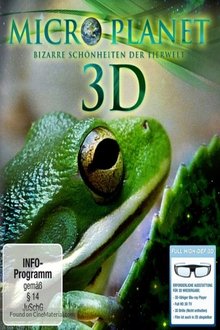
MicroPlanet 3D (2012)
Stunning macro 3D filmmaking takes viewers on an unforgettable journey from lake bottom battles for territory to lovelorn toads searching for a mate to lizards prowling the forest for a meal. We humans are but lumbering, clumsy giants striding through these miniature ecosystems that thrive without us... even in spite of us.

Elephant: Lord of the Jungle (1987)
Great herds of Asian elephants once roamed from Baghdad to Beijing. Now only remnants of these once mighty herds survive, protected today by the Indian government. It is here that filmmaker Naresh Bedi turns his camera, capturing an intimate portrait of thee largest of land mammals. An adult elephant eats 300 pounds of green fodder and drinks 40 gallons of water a day. This film follows these gentle giants as they forage and feed, wallow in watering holes, dust their skin with dirt, and care for their young.
Ladakh: Desert in the Skies (1995)
The mountainous desert of Ladakh is one of the most desolate places on our planet. Here freezing winds sweep down from the Himalayas and shape the life of its inhabitants.

Helicopter Canada (1966)
A view from a helicopter of the ten Canadian provinces in 1966. The result is a big, beautiful and engrossing bird's-eye portrait of the country. Nothing here is quite the same as seen before, even Niagara Falls. Canadians will be thrilled by this panoramic view of familiar territory. Made for international distribution for the Canadian centennial.
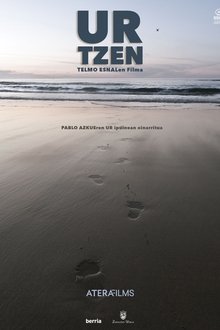
Urtzen (2020)
During lockdown, Telmo Esnal recovered a long-forgotten project: 'UR', a tale by Pablo Azkue taking a deep look at the conscience and the sea. 'Urtzen' is a special cinematic essay, a curious collage which, recycling and reusing dialogues, images and music, reflects on existence.
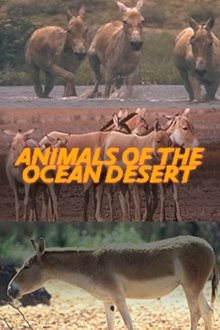
Animals of the Ocean Desert (2001)
For two-thirds of the year, the Little Rann is a desert. Suddenly, in August, monsoon winds whip up the Arabian Sea and carry it 100 km inland. The desert and these mounds soon become islands and homes to high concentrations of rarely-seen, endangered and spectacular wildlife.
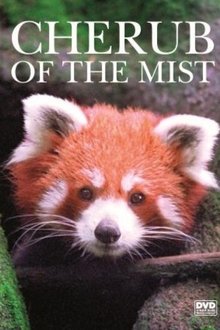
Cherub of the Mist (2006)
The Film follows Indian biologist Dr. Sunita Pradhan who at that time had been studying red pandas for over 10 years.
Glaciers of the Winds (2018)
Glaciers of the Winds is a one-hour documentary on the scientific exploration and retreat of the glaciers in the Wind River Mountains of Wyoming. WyomingPBS will look at the big picture of how receding alpine glaciers will affect the ecosystem, municipalities, farmers, and ranchers downstream.

The Birders (2019)
The film highlights legendary Colombian birdwatching guide Diego Calderon-Franco and National Geographic photographer/videographer Keith Ladzinski as they travel through Columbia, a nation that boasts one of the most diverse populations of birds in the world, to capture footage of rare and unique birds, some of which have never been filmed before.

The Outdoorsman (1968)
A group of outdoorsmen demonstrate duck hunting as a preliminary to traveling the various hunting and fishing centers of the world. They begin their journey with a trip to the Rocky Mountains to hunt elk and mountain lions and to fish in the freshwater lakes. They travel to Lac la Ronge in Saskatchewan and to Anchorage and the Katmai Peninsula in Alaska to fish for trout, salmon, and grayling and hunt moose and bear. In the Arctic, the hunters go with a group of Eskimos for their biggest catch, the polar bear. The hunters travel south by plane, to the Fishing Club of Panama to fish for marlin, tuna, shark, and dolphin in the Gulf of Panama. In South Africa and the Zambesi River basin, they often hunt with only a camera. Accompanied by native beaters, they hunt elephants, antelope, buffalo, crocodiles, and hippopotami. As conservationists they capture some almost extinct white rhinoceros and take them to a game preserve for protection.
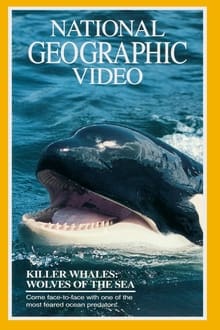
Killer Whales: Wolves of the Sea (1993)
Do they really launch themselves onto the shore to grab a hapless snack? See for yourself, and gain a vivid appreciation for their appetites and skills. While your jaw drops at their fearsome agility, you’ll also be learning about their migratory and other behaviours from scientists who observe them daily and strive to increase our understanding of their needs for survival. In this National Geographic ‘Wildlife Special’ you’ll journey around the globe to see their extraordinary hunting techniques in action.
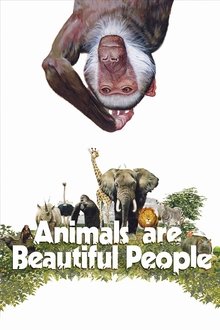
Animals Are Beautiful People (1974)
Animals Are Beautiful People (also called Beautiful People) is a 1974 South African nature documentary written, produced, directed, filmed and edited by Jamie Uys, about the wildlife in Southern Africa, presented with comedic elements. It was filmed in the Namib Desert, the Kalahari Desert and at the Okavango River and Okavango Delta. It was the recipient of the 1974 Golden Globe Award for Best Documentary Film. The film, a critical and commercial success, was independently made by Uys, also known for his later African comedy The Gods Must Be Crazy (1980).

Polar Bears: A Summer Odyssey (2012)
A captivating documentary following a young polar bear venturing on his first solo journey across the Canadian Arctic during the summer thaw. As the ice disappears, he must adapt to a challenging landscape without the one thing polar bears depend on most: sea ice. With stunning cinematography and heartfelt narration, this film offers a rare glimpse into the resilience and struggle of polar bears facing a rapidly changing climate.