For six female Holocaust survivors, liberation from the camps marked the beginning of a lifelong struggle.
Related Movies
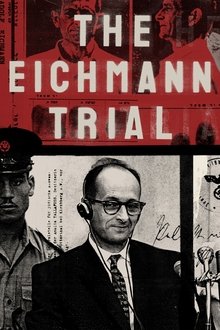
The Eichmann Trial (2025)
In 1961, history was on trial... in a trial that made history. Just 15 years after the end of WWII, the Holocaust had been largely forgotten. That changed with the capture of Adolf Eichmann, a former Nazi officer hiding in Argentina. Through rarely-seen archival footage, The Eichmann Trial documents one of the most shocking trials ever recorded, and the birth of Holocaust awareness and education.
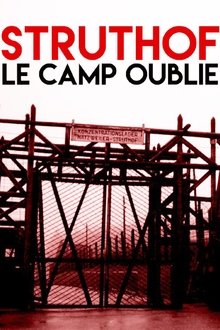
Memories of a Nazi Camp (2019)
Holocaust survivors describe their experiences being interred at the Natzweiler-Struthof concentration camp.
Reunion (1946)
Live footage from concentration camps after the liberation, and the complex transport and lodging of masses of prisoners of war and other deported people back to their home countries, at the end of World War II. A 45min 35mm print also exists (shown at Cinémathèque française in 2023).

Little Big Sister (1998)
An intimate profile of Hédi Fried, a Swedish writer, therapist and her little sister Livia Fränkel, both Holocaust survivors. While Hédi is very active among other survivors and in opinion-making, Livia chooses to forget.
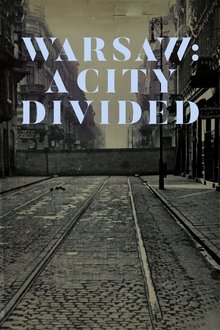
Warsaw: A City Divided (2019)
The history of the Warsaw Ghetto (1940-43) as seen from both sides of the wall, its legacy and its memory: new light on a tragic era of division, destruction and mass murder thanks to the testimony of survivors and the discovery of a ten-minute film shot by Polish amateur filmmaker Alfons Ziółkowski in 1941.
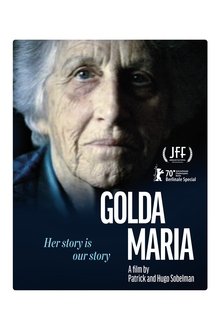
Golda Maria (2022)
In 1994, film producer Patrick Sobelman recorded the testimony of his grandmother Golda Maria Tondovska, a Polish Jewish survivor of the Shoah.

FASCISM(s): A Film in Six Parts (2025)
Six sequences about Fascism and its segments throughout history.

"Erscheinungsform Mensch": Adolf Eichmann (1981)
Documentary brings the time of the Holocaust to life and provides insight into the mind of the organizer of this crime: Adolf Eichmann. The documentary contrasts Eichmann's statements and memories - documented in the original soundtrack - directly with those of Holocaust survivors. The picture of the person and the crime is rounded off by the many contemporary witnesses who were involved either in Eichmann's arrest or the subsequent trial - such as the doctors and psychologists who looked after him, the guards and police officers through to the interrogator, the public prosecutor and the judge at the trial.

The Diary of Immaculée (2006)
Peter LeDonne and Steve Kalafer chronicle the extraordinary life of Immaculée Ilibagiza, a young African woman who escaped genocide in Rwanda and ultimately found refuge in the United States. Seeking shelter with an Episcopalian minister, Immaculée hid from her attackers inside a bathroom for three long months but stayed centered through prayer and faith.
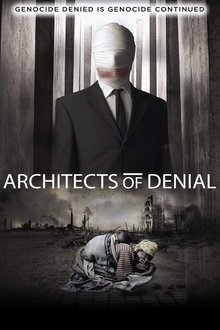
Architects of Denial (2017)
Though both the historical and modern-day persecution of Armenians and other Christians is relatively uncovered in the mainstream media and not on the radar of many average Americans, it is a subject that has gotten far more attention in recent years.
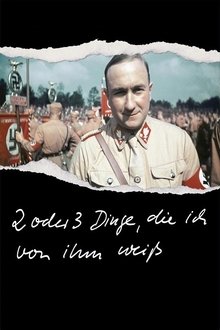
2 or 3 Things I Know About Him (2005)
What would your family reminiscences about dad sound like if he had been an early supporter of Hitler’s, a leader of the notorious SA and the Third Reich’s minister in charge of Slovakia, including its Final Solution? Executed as a war criminal in 1947, Hanns Ludin left behind a grieving widow and six young children, the youngest of whom became a filmmaker. It's a fascinating, maddening, sometimes even humorous look at what the director calls "a typical German story." (Film Forum)

Butterflies Do Not Live Here (1958)
A documentary about the life of Jewish children forced to live in the Theresienstadt concentration camp.
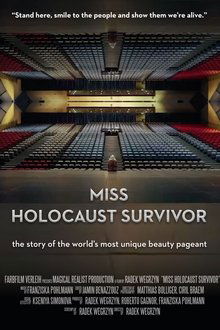
Miss Holocaust Survivor (2023)
Documentary about an annual beauty contest held in Haifa, Israel, in which only women who survived the Holocaust - and are therefore between 77 and 95 years old - are allowed to take part.
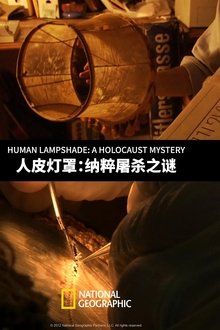
Human Lampshade: A Holocaust Mystery (2012)
This story follows one man's quest to uncover the origins and reveal the mysteries of a possible Holocaust artifact some historians now say never existed: lampshades made of human skin. When the flood waters of Hurricane Katrina receded, they left behind a wrecked New Orleans and a strange looking lamp that an illicit dealer claimed was 'made from the skin of Jews.'

Heil Hitler! Confessions of a Hitler Youth (1991)
This short-form documentary focuses on the true story of Alfons Heck, who as an impressionable 10-year-old boy became a high-ranking member of the Hitler youth movement during World War II. The story is told in his own words. This film originally aired as part of the "America Undercover" series on HBO.
Force of Evil (NaN)
This Emmy Award-winning documentary traces the rise of Nazism in general and the career of Adolf Eichmann in particular by documenting the small incremental steps the Nazis took to introduce their ideology of anti-semitism in Germany and Nazi-occupied Europe during World War II.

A Bunch of Questions With No Answers (2025)
A Bunch of Questions with No Answers (2025) is a 23-hour film by artists Alex Reynolds and Robert M. Ochshorn. Compiled entirely from questions posed by journalists at U.S. State Department press briefings between October 3, 2023, and the end of the Biden administration, the work removes the officials’ answers, leaving only the unresolved demands for clarity and accountability.

The 43 Group: The Unfinished War (2000)
The 43 Group was an English anti-fascist group set up by Jewish ex-servicemen in the immediate wake of World War II when, on their return to London, they encountered British fascist organisations such as Jeffrey Hamm’s “British League of Ex-Servicemen” and later Oswald Mosley’s reformed fascist party, the Union Movement.
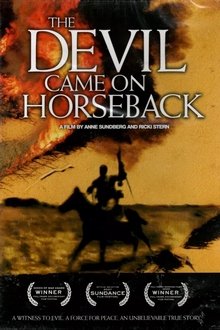
The Devil Came on Horseback (2007)
While serving with the African Union, former Marine Capt. Brian Steidle documents the brutal ethnic cleansing occuring in Darfur. Determined that the Western public should know about the atrocities he is witnessing, Steidle contacts New York Times reporter Nicholas Kristof, who publishes some of Steidle's photographic evidence.

Never Again Is Now Global (NaN)
Holocaust survivors, children of survivors, and grandchildren - as well as German freedom fighters - express their shock at the Covid era's fear-mongering and divisive dictates that are reminiscent of the prelude to the Holocaust. This ambitious five-part docu-series is the brainchild of Holocaust survivor and human rights activist Vera Sharav.