Filmed on the island of Haida Gwaii, this documentary depicts the ongoing resistance and resurgence of the Haida people and their culture against the different manifestations and trauma of colonization.
Related Movies

The Water Dwellers (1963)
This short documentary introduces us to a town where no one pays rent: Simoom Sound in central British Columbia, where loggers live on sturdy river craft. Every week there are visitors: the general storekeeper, the flying postman and most importantly, the forest ranger, who is ever alert to the threat of fire.
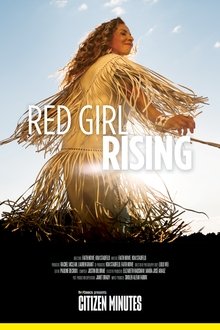
Red Girl Rising (2025)
Joyce Jonathan Crone—Mohawk matriarch, retired teacher, activist, humanitarian—reaches forward into her community of Huntsville, Ontario, opening hearts and bridging gaps for Indigenous education.
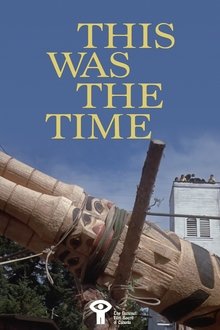
This Was the Time (1970)
When Masset, a Haida village in Haida Gwaii (formerly known as the Queen Charlotte Islands), held a potlatch, it seemed as if the past grandeur of the people had returned. This is a colourful recreation of Indigenous life that faded more than two generations ago when the great totems were toppled by the missionaries and the costly potlatch was forbidden by law. The film shows how one village lived again the old glory, with singing, dancing, feasting, and the raising of a towering totem as a lasting reminder of what once was.

Indian Rights for Indian Women (2018)
Three intrepid women battle for Indigenous women's treaty rights.
Coast Modern (2012)
A core group of architects embraced the West Coast from Vancouver to LA with its particular geography and values and left behind a legacy of inspired dwellings. Today, architects celebrate the influence established by their predecessors.

These were the reasons (2011)
This film takes us into the harsh realm of BC's early coal mines, canneries, and lumber camps; where primitve conditions and speed-ups often cost lives. Then, the film moves through the unemployed' struggles of the '30s, post WWII equity campaigns, and into more recent public sector strikes over union rights.
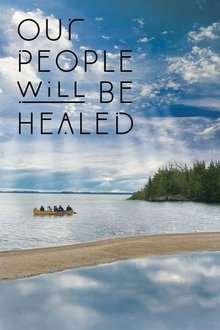
Our People Will Be Healed (2017)
Legendary documentary filmmaker Alanis Obomsawin provides a glimpse of what action-driven decolonization looks like in Norway House, one of Manitoba's largest First Nation communities.
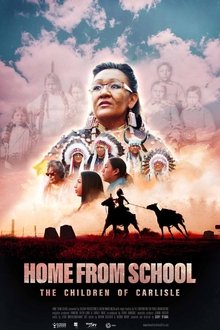
Home from School: The Children of Carlisle (2021)
“Kill the Indian to save the man” was the catchphrase of The Carlisle Indian Industrial School, a boarding school opened in Pennsylvania in 1879. It became a grim epitaph for numerous native children who died there. In 2017, a delegation from the Wind River Indian Reservation in Wyoming attempts to retrieve the remains of three Northern Arapaho children buried far from home in the school cemetery, on a journey to recast the troubled legacy of Indian boarding schools, and heal historic wounds. This documentary film is produced by The Content Lab LLC, with support from The Wyoming Cultural Trust Fund, The Wyoming Humanities Council, and Wyoming PBS.
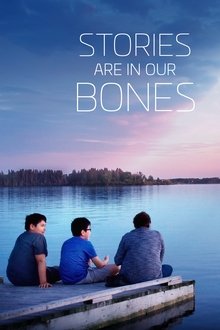
Stories Are in Our Bones (2020)
In this layered short film, filmmaker Janine Windolph takes her young sons fishing with their kokum (grandmother), a residential school survivor who retains a deep knowledge and memory of the land. The act of reconnecting with their homeland is a cultural and familial healing journey for the boys, who are growing up in the city. It’s also a powerful form of resistance for the women.
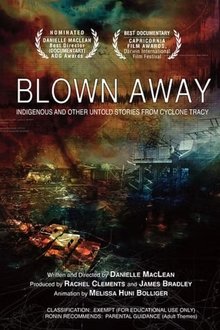
Blown Away (2014)
Cyclone Tracy 40 years on, exploring the myths and revealing new perspectives on one of the worst natural disasters in Australia's history.
Gyaangee: Beyond Being Silenced (2023)
Famed Haida artist Robert Davidson carves his latest monumental totem pole and gives a rare insight into the deeper meanings of North Coast Indigenous art works.
Beyond Being Silenced: Gyaa Isdlaa (2022)
Filmmaker Charles Wilkinson gives viewers an immersive look at that potlatch, a jubilant gathering that finds the members of many Haida clans celebrating the revitalization of their cultural traditions as caretakers of the land.

Our Maternal Home (2024)
Filmmaker and educator Janine Windolph ventures from Saskatchewan to Quebec with her two teens and younger sister, tracing their familial origins to the Cree First Nation of Waswanipi. Against the scenic backdrop of these Traditional Lands, Elders offer newfound interdependence and hands-on learning, transforming this humble visit into a sensory-filled expression of reclamation and resilience. Our Maternal Home lovingly establishes a heart-centred form of resistance to confront and heal from the generational impacts of cultural disconnection, making space for what comes next.
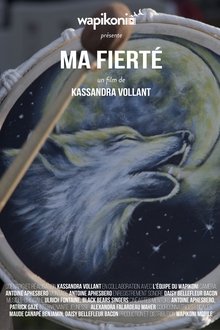
My Pride (2020)
Spontaneous portrait of an endearing and cheerful teenager living in balance between traditionalism and modernity. She presents her regalia to us and we share her pride in being Innu.
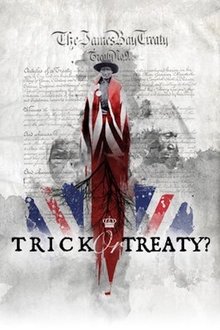
Trick or Treaty? (2014)
Legendary Canadian documentarian Alanis Obomsawin digs into the tangled history of Treaty 9 — the infamous 1905 agreement wherein First Nations communities relinquished sovereignty over their traditional territories — to reveal the deceptions and distortions which the document has been subjected to by successive governments seeking to deprive Canada’s First Peoples of their lands.
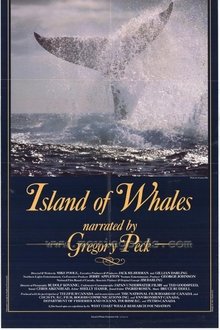
Island of Whales (1990)
This film joins five of the world's leading whale researchers on a scientific expedition around Canada's Vancouver Island. Spectacular photography and sound recording, both above and under water, provide an imtimate look at killer, gray, and humpback whales, and the world they inhabit. Island of Whales examines the communication, habitat, food supply and behaviour of whales. What emerges is a picture of creatures more sophisticated and complex than ever before imagined. At the end of the film, we are left with one compelling question: Can these magnificent creatures survive in the face of declining food supplies and pollution?

The Crying Fields (2019)
A deep dive into the history of the Canadian Government and the Department of National Defence leasing First Nations reserves as practice bombing ranges during World War I and World War II. This documentary follows the Enoch Cree Nation's process of developing it's land claim against the Canadian Government following the discovery of active landmines in the heart of the nation's cultural lands and golf course in 2014, almost 70 years later.
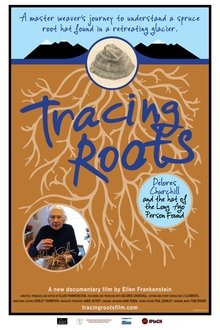
Tracing Roots (2014)
A new documentary that follows master Haida weaver Delores Churchill on a journey to replicate a spruce root hat discovered with the Long Ago Person Found. The 300-year-old traveler was discovered in British Columbia and DNA testing discovered living descendants in Canada and Alaska. Her search crosses cultures and borders, and involves artists, scholars and scientists. The project raises questions about understanding and interpreting ownership, knowledge and connection.