A Brazilian theatre group that through talent, irony and humour confronted the Brazilian violent dictatorship in the 1970s revolutionising the gay movement worldwide and changing theatre and dance language to an entire generation.
Related Movies
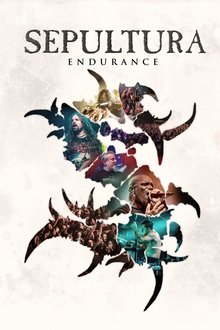
Sepultura Endurance (2017)
The long awaited documentary about Sepultura's incredible journey from Brazil to the world.

Stars in Brazil (2014)
The ultimate guide to the players on the road to Rio. Ahead of the world football tournament in June & July, Stars in Brazil celebrates ten of the world’s most talented players on the road to Rio. From Cristiano Ronaldo’s breathtaking skills to the brillance of Wayne Rooney, Stars in Brazil offers detailed player profiles, fantastic footage and exclusive interviews with football experts.

We Feed the World (2005)
A documentary that exposes the shocking truths behind industrial food production and food wastage, focusing on fishing, livestock and crop farming. A must-see for anyone interested in the true cost of the food on their plate.
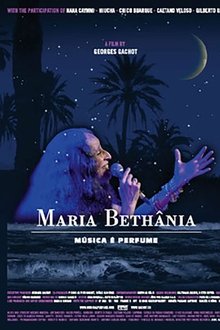
Maria Bethânia: Música é Perfume (2005)
Brazilian singer Maria Bethania has a 40-year singing career. A documentary shows her concerts and famous family.

Saludos Amigos (1942)
A whimsical blend of live action and animation, "Saludos Amigos" is a colorful kaleidoscope of art, adventure and music set to a toe-tapping samba beat. From high Andes peaks and Argentina's pampas to the sights and sounds of Rio de Janeiro, your international traveling companions are none other than those famous funny friends, Donald Duck and Goofy. They keep things lively as Donald encounters a stubborn llama and "El Gaucho" Goofy tries on the cowboy way of life....South American-style.

Match 64: The Maracanã (2015)
A documentary following the day life of fans in Brazil on July 13, 2014: the day when Germany and Argentina met up in the finals of FIFA World Cup.
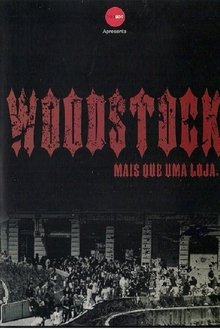
Woodstock - Mais Que Uma Loja (2014)
"Woodstock - Mais Que Uma Loja" tells the story of the Woodstock Discos store, a stronghold considered ground zero for heavy metal in São Paulo and one of the pioneers of the style in Brazil.
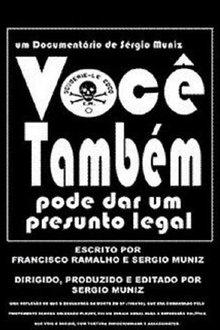
Você Também Pode Dar um Presunto Legal (2006)
Amid the civil-military dictatorship implanted with the 1964 coup, Sergio Muniz had the idea of making a documentary about the action of the Death Squad. At the time, the press still had some freedom to disseminate the work of these death squads formed by police officers of various ranks, and that he acted on the outskirts of cities like Sao Paulo and Rio de Janeiro. The victims of police repression (as today) were men, poor and black, and this condition is supposed criminals.
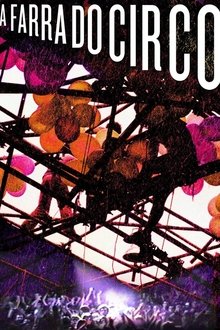
A Farra do Circo (2013)
This documentary highlights the evolution of Brazil's Circo Voador venue from homespun artists' performance space to national cultural institution.

Wild Brazil (2014)
Go up-river and deep into the jungle far from Brazil's cities and stadiums, where families of giant otters, tufted capuchin monkeys and mischievous coati (South American raccoon cousins) rally their wits to survive in a breathtakingly beautiful yet dangerous land.
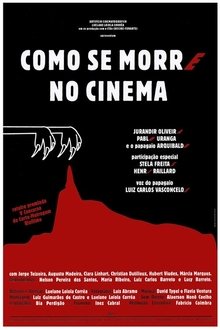
How to Die in Cinema (2002)
Memories of a parrot who participated in the filming of the classic Vidas Secas, in 1962, where it was featured along the puppy Baleia.
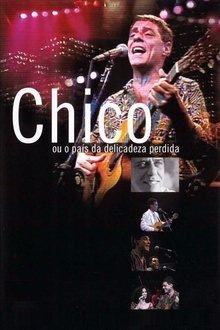
Chico, or the Country of the Lost Delicacy (1989)
A look into the 25 years of career of famous musician Chico Buarque and his influence in Brazilian culture.

The Team (2014)
Documentary about the victorious German national football team - called "Die Mannschaft" - and their journey to the 2014 FIFA World Cup in Brazil.
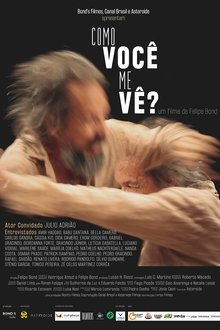
How Do You See Me? (2017)
How Do You See Me? is a Brazilian documentary feature that entwines both experienced actors and beginners to explore the hardships and the happiness that are inherent to the job when detached from the glam and glitz of the gossip industry, creating a diverse and comprehensive mosaic of what it means to be an actor in Brazil, a country so full of contradictions. The film brings forward a reality that the masses usually don't get to know: the men and women moved by a deep passion for acting and touching people. With Julio Adrião, Matheus Nachtergaele, José Celso Martinez, Cássia Kis, Nanda Costa, Babu Santana, Luciano Vidigal and Letícia Sabatella, among others.
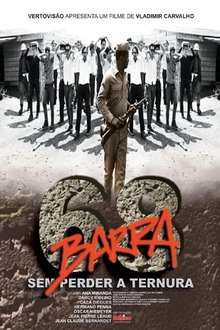
1968 - Without Losing Tenderness (2001)
The story of the University of Brasília, since it was only a project in Darcy Ribeiro's head until the fateful events in August 1968 when its campus was invaded by the police, during the military dictatorship, thus putting an end to its independence.

Democracia em Preto e Branco (2014)
Brazilian soccer players Sócrates, Casagrande and Vladimir lead a historic movement in sports by adopting a democracy within their team, making a statement against the country's military dictatorship.
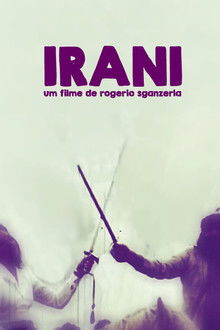
Irani (1983)
Register a popular celebration related to a battle fought in the city of Irani, starting point of Contestado War at Santa Catarina State, Brazil in 1912.

The Trial (2018)
The impeachment and removal from office of Brazilian President Dilma Rousseff in 2016 was triggered by a corruption scandal involving, among others, her then vice-president Michel Temer. Director Maria Augusta Ramos follows the trial against Rousseff from the point of view of her defence team. This is a courtroom drama that unfolds slowly: the appearances of the various parties gradually turn the proceedings into something akin to theatre. Inside the courtroom, grand emotions are played to full effect whilst, on the other side of the doors, lobbyists and supporters pace the corridors. Meanwhile, outside, in front of Brasília’s modernist government buildings, demonstrators are chanting like a Greek chorus. Only the main character, Rousseff herself, remains professional and aloof.

Libelu: Down With The Dictatorship (2020)
In the 1970s, they were championing the fight against Brazil’s military dictatorship. Forty years later, what’s left of Libelu? What does adult life have in store for you after the revolutionary youth?

Guidable: The Real History of Ratos de Porão (2008)
The uncensored history from the Brazilian band Ratos de Porão, one of the oldest Hardcore bands in the world. Almost three decades of drugs, madness and a lot of noise, told by the people who made and still make part of this institution of heavy rock.