The 30-year legacy of the murder of black teenager Yusuf Hawkins by a group of young white men in Bensonhurst, Brooklyn, as his family and friends reflect on the tragedy and the subsequent fight for justice that inspired and divided New York City.
Related Movies
The Tulsa Lynching of 1921: A Hidden Story (2000)
Documents the race riot of 1921 and the destruction of the African-American community of Greenwood in Tulsa, Oklahoma. With testimony by eyewitnesses and background accounts by historians.
Susanne Bartsch: On Top (2017)
Dubbed New York's "Queen of the Night," proto–club kid Susanne Bartsch has been throwing unforgettable parties for over 30 years and is still going strong.

The Get By: Making It on the Streets of NYC (2010)
A Queens man has discovered enough hidden treasure — bits of diamonds, rubies, platinum and gold — on the gritty sidewalks of Midtown’s Diamond District to make a living.
Salsa Lives (2025)
La Salsa Vive is a vibrant cinematic exploration of Afro-Cuban music's history, tracing its roots from New York's lively streets to Cali, Colombia, now the global salsa capital.
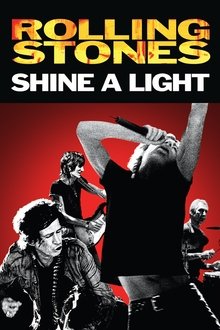
Shine a Light (2008)
Martin Scorsese’s electrifying concert documentary captures The Rolling Stones live at New York’s Beacon Theatre during their A Bigger Bang tour. Filmed over two nights in 2006 with an all-star team of cinematographers, the film combines dynamic performances with archival footage and rare glimpses behind the scenes, offering a vibrant portrait of the band’s enduring energy and legacy.

Global Enlightenment: Part 1 (2005)
The shape-shifting and enigmatic hip hop artist Kool Keith has managed to surprise, shock, and enrage fans and detractors alike with virtually every album he has released. His many personas include Dr. Octagon, under which he released 1996's Dr. Octagonecologyst, a futuristic masterpiece that flouted traditional hip hop mores in favor of intriguingly disruptive, warped rhymes. He is also the Black Elvis, Dr. Doom, Mr. Gerbik, and Rhythm X, and is formerly of the Bronx group the Ultramagnetic MCs, with whom he first established himself as a rapper that pushes the envelope and is not afraid to be critical of the system within which he operates. This DVD release features multiple interviews with the artist, as well as live concert footage. Keith takes his audiences on a tour of Manhattan and the Bronx. Keith also explains why he loves seltzer water.
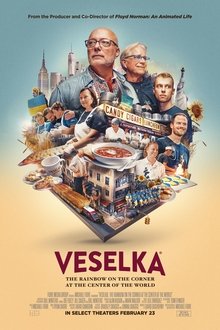
Veselka: The Rainbow on the Corner at the Center of the World (2024)
New York City's beloved Ukrainian restaurant Veselka is best known for its borscht and varenyky, but it has become a beacon of hope for Ukraine. As the second-generation owner Tom Birchard reluctantly retires after 54 years, his son Jason faces the pressures of stepping into his father’s shoes as the war in Ukraine impacts his family and staff.
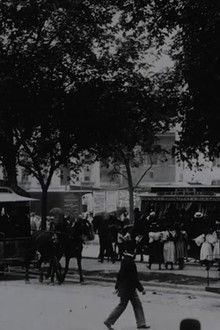
View on Boulevard, New York City (1896)
Taken in 1896 on the Boulevard (upper Broadway) on the occasion of a bicycle parade in the heyday of the wheeling craze. Old-fashioned horse cars lend interest to the scene.
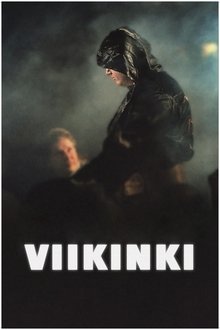
Viikinki (2022)
Documentary film about Tony Halme, masculinity and populism. The film follows how Tony Halme created a mythical, highly masculine freestyle wrestling character, The Viking, who gained fame both in the ring and in the public eye and eventually became captivated by it. With his brash speeches, Halme fired the starting shot for the rise of the Finns Party. The voice of a forgotten section of the population, a protest against the ruling elite, were the building blocks of Halme's popularity. Halme's great popularity has served as a good example of a populist figure, admired within the deep ranks of the nation, who comes from outside the political elite and changes the direction of politics. Also, despite - or perhaps because of - his openly racist statements, he was part of changing the political climate in Finland to a more acrimonious one.
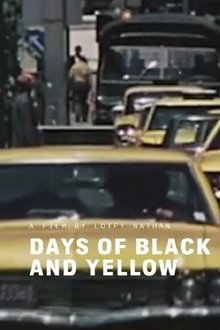
Days of Black and Yellow (2019)
New York cab and black car drivers are facing economic and emotional hardship in a city dominated by ride-share apps. As these long standing industries are decimated by economic and political forces, drivers are forced to cope or fight back.
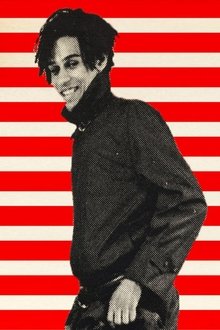
Who Killed Michael Stewart? (1986)
A documentary about a case of police brutality in the 80's NYC, the killing of graffiti artist Michael Stewart
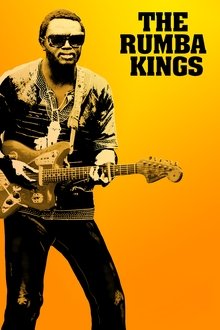
The Rumba Kings (2021)
In the fifties, when the future Democratic Republic of Congo was still a Belgian colony, an entire generation of musicians fused traditional African tunes with Afro-Cuban music to create the electrifying Congolese rumba, a style that conquered the entire continent thanks to an infectious rhythm, captivating guitar sounds and smooth vocals.
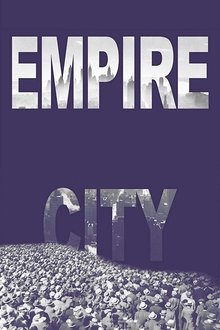
Empire City (1985)
A film essay contrasting the modern metropolis with its "golden age" from 1830-1930, with the participation of some of New York's leading political and cultural figures. Made at a time when the city was experiencing unprecedented real estate development on the one hand and unforeseen displacement of population and deterioration on the other. Empire City is the story of two New Yorks. The film explores the precarious coexistence of the service-based midtown Manhattan corporate headquarters with the peripheral New York of undereducated minorities living in increasing alienation.
Wealth of a Nation (1964)
"This film explores how freedom of speech — including dissent — is afforded to all Americans, and shows freedom of expression in art, music, dance, architecture, and science. The film also emphasizes the importance of the individual’s contribution to the whole of society and demonstrates how a productive and creative society is formed by the open and respectful exchange of ideas. The film was written, produced, and directed by William Greaves" (National Archives).
How to Squash a Squat (1989)
1989, New York City's Alphabet City and East Village. A year after the Tompkins Square Park Riot, squatters and their community allies try to stop the demolition of their building after an arson. Police forces occupy the neighborhood while the demolition continues. A portrait of an East Village that is no more. An homage to the voices and sounds of a neighborhood before its gentrification.
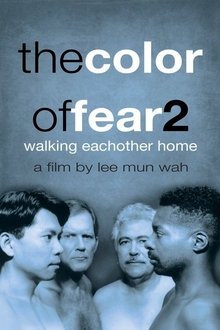
The Color of Fear 2: Walking Each Other Home (1997)
In THE COLOR OF FEAR, eight American men participated in emotionally charged discussions of racism. In this sequel, we hear and see more from those discussions, in which the men talk about about how racism has affected their lives in the United States. We also learn more about the relationships between them, and about their reactions during some of the most intense moments of that discussion.
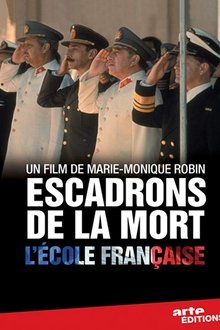
Death Squadrons: The French School (2003)
After the Battle of Algiers, France and its army exported, as true experts, anti-subversive methods to Latin America and the United States in the 1960s. After more than a year of investigation in Argentina , in Chile, Brazil, the United States and France, the director collected, sometimes under the cover of a hidden camera, recorded conversations, the exclusive testimonies of the main protagonists. From General Aussaresses to former Minister of the Armed Forces Pierre Messmer, including General Reynaldo Bignone (head of the military junta in Argentina from 1982 to 1984), General Albano Harguindéguy, General Manuel Contreras, and Generals John Johns and Carl Bernard, this investigation gives us a hidden reality of the country of Human Rights.
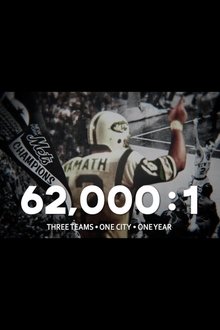
62,000:1 Three Teams One City One Year (2019)
1969, New York City, 3 teams won World Championships, the Jets, the Mets and the Knicks.