Ryun-hee Kim, a North Korean housewife, was forced to come to South Korea and became its citizen against her will. As her seven years of struggle to go back to her family in North Korea continues, the political absurdity hinders her journey back to her loved ones. The life of her family in the North goes on in emptiness, and she fears that she might become someone, like a shadow, who exists only in the fading memory of her family.
Related Movies
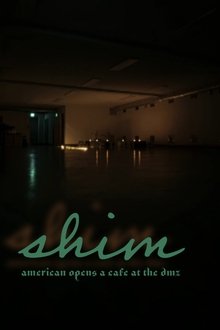
Shim: American Opens a Cafe at the DMZ (2024)
A cafe is growing, tucked in to the mountainside air raid shelter of the DMZ borderlands. A light light flickers, illuminating the past, present, and future. I'll see you at the DMZ! Shim was a free, one-day pop-up cafe staged in Yangji-ri village’s air raid shelter at the Korean DMZ. Referencing Korean cafe culture’s fixation on third place, the DMZ’s evolution from security tourism, to ecological peace tourism, and its repurposing as art production site, Shim attempts to intervene and align the past and present. Yangji-ri was one of many minbuk propaganda villages established by the Park Chung Hee regime in the 1960s to showcase the farming bounty and prosperity of the south for a North Korean gaze. The village was formerly part of the Civilian Control Line (CCL) until 2013 when it was reterritorialized as a normal part of South Korea.
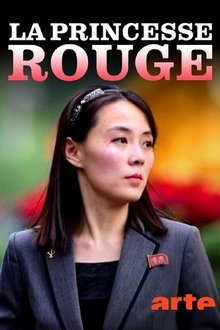
The Red Princess (2022)
Who is Kim Yo-jong? In a context of maximum tensions between North Korea and the United States, Pierre Haski paints an unprecedented portrait of the little sister of Kim Jong-un, whose influence in Pyongyang is growing stronger day by day.
The Fantastic (2021)
In Maija Blåfield’s documentary, eight former North Koreans talk about what it was like to watch illegal films in a closed society. In addition to the 'waste videos', South Korean films were also smuggled into the country via China.
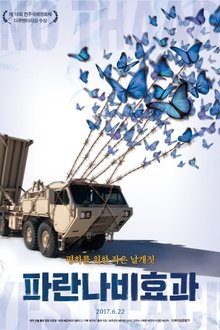
Blue Butterfly Effect (2017)
The small county of Seongju staged protests against the THAAD. Young mothers led protests from concerns about their kids and the exposure to radiation. Gradually, they learn the system is faulty.
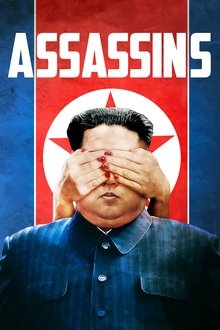
Assassins (2021)
True crime meets global spy thriller in this gripping account of the assassination of Kim Jong-nam, the half brother of the North Korean leader. The film follows the trial of the two female assassins, probing the question: were the women trained killers or innocent pawns of North Korea?
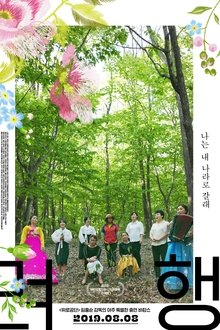
Ryeohaeng (2019)
A group of women climbs a summer mountain situated in South Korea. They are refugees who have settled into South Korean society after fleeing from North Korea. For them, climbing the mountains has been an unavoidable journey for survival - a matter of life and death.
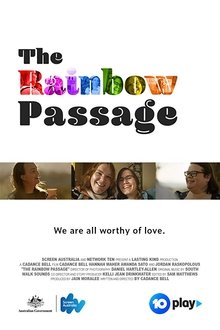
The Rainbow Passage (2020)
Following a year in Cadance and Amanda's gender transition, this intimate documentary charts not only their personal transformation but the building of a life and community together in regional New South Wales.
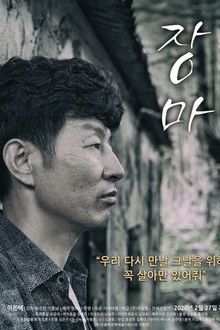
The Rainy Season (2020)
A documentary about joys, sorrows, ups, and downs experienced by the civil society activist, Lee Eun Taek.
Open Shutters (2021)
While reporting on the rise of spy cam porn in South Korea, a crime that affects thousands each year, a journalist discovers that she too is being watched in her own home. She decides to speak out, joining a nationwide movement of women seeking protection from this frighteningly ubiquitous crime.
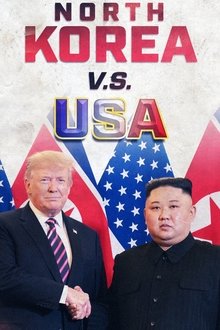
The Trap of Kim (2018)
The escalation of tensions between Pyongyang and Washington continues, plunging the world into fear of a nuclear war. Update on the geopolitical issues of this conflict.
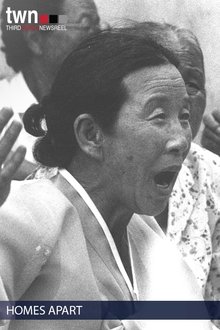
Homes Apart: Korea (1991)
They speak the same language, share a similar culture and once belonged to a single nation. When the Korean War ended in 1953, ten million families were torn apart. By the early 90s, as the rest of the world celebrated the end of the Cold War, Koreans remain separated between North and South, fearing the threat of mutual destruction. Beginning with one man's journey to reunite with his sister in North Korea, filmmakers Takagi and Choy reveal the personal, social and political dimensions of one of the last divided nations on earth. The film was also the first US project to get permission to film in both South & North Korea.
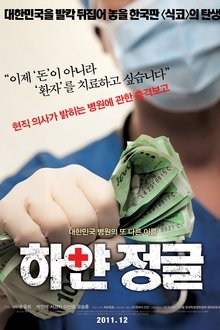
White Jungle (2011)
It is year 2011 and the government still talks of economic growth through medical care under the table. In reality, common people cannot afford to go to a hospital. They are nothing but extra casts in a promotional film for showing. The reality is a white jungle where medical care has become the market of extreme commercialization and doctors and patients are just too familiar with the physiology of jungle life. New rules and regulations must be practiced in this jungle. The film finds a solution by looking at medical care not as a personal means of production but community welfare.
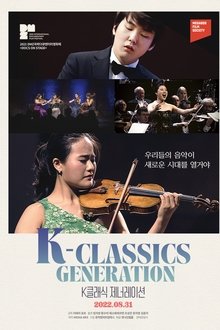
K-Classics Generation (2020)
The film traces the career of some of the winners of this new generation nicknamed the "K-Classics Generation", including the 2 recent winners of the Queen Elisabeth Competition, the soprano Hwang Sumi and the violinist Lim Jiyoung. In Korea, where it all began, and in Germany where most of them have settled.
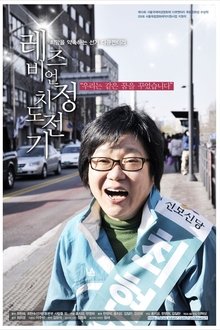
The Time of Our Lives (2009)
A documentary that tells the story of Choi Hyun-sook, the first out lesbian parliamentarian candidate in Korea who ran for Jongno-gu in the April 2008 National Assembly election. It's a story about people who dream of a world where minorities are happy, and who, with expectation and aspiration, find the campaign headquarters and made an election with Choi Hyun-sook.
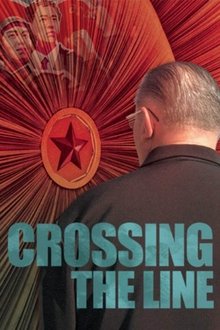
Crossing the Line (2006)
In 1962, a U.S. soldier sent to guard the peace in South Korea deserted his unit, walked across the most heavily fortified area on earth and defected to the Cold War enemy, the communist state of North Korea. He became a star of the North Korean propaganda machine, but then disappeared from the face of the earth. Now, after 45 years, the story of James Dresnok, the last American defector in North Korea, is being told for the first time. Crossing the Line follows Dresnok as he recalls his childhood, desertion, and life in the DPRK.
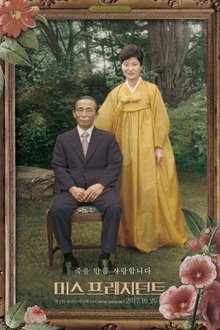
Mis-President (2017)
My father led a coup in 1961. Two years later, I became the president's daughter.
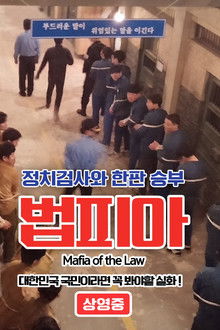
Mafia of the Law (2019)
A prisoner of 7 years who was innocently jailed by political prosecutors looks into the case himself, and seeks the punishment of those political prosecutors who shut him away illegally by suing them. However, no one takes him seriously or even investigate the case, let alone charge them as guilty. The prisoner takes matters into his own hands... A true story about the need of the Senior Civil Servant Corruption Investigations Unit! Anything can be done if you know the law! The citizens of Korea are not dogs or pigs! The sovereignty of the people that has been taken away by political prosecutors must be won back! A law-themed and educational true story the citizens of the Republic of Korea must see.