The film follows Yudale, a religious youth from the settlements, as he experiences a crisis of faith. As he receives a camera from Michal, a Tel Aviv director who teaches him how to film, Yehuda documents his life on the line between the settlement Tko’a and Tel Aviv: his final conversations with his dying father—Rabbi Menachem Fruman– their joint study, and saying goodbye to him. When his father dies, Yehuda chooses to take off his kippah. During the year of mourning, he continues to document his life outside the religious world: exploring Tel Aviv, talking to Michal, and his new perspective on his family and their way of life. Elisheva, a newly observant Jew orphaned from her mother, comes into his life as a soul mate exactly at the moment when he loses hope of finding his way.
Related Movies
American Jesus (2013)
AMERICAN JESUS is an exploration of Christianity in every faction of American Life, from the breadline to the yoga studio, from the humble churches of snake handlers to the mega churches in the ex-urbs. Christian cowboys, bikers and musicians, comedians, surfers and cage-fighters, they are all doing it for Christ. Aram Garriga travels from his native Barcelona to the politically divided United States to chronicle the sometimes bizarre relationship between faith, materialism, politics and personal passions in this uniquely American tableaux. Populated by an array of religious and secular characters offering candid, often illuminating testimonials, AMERICAN JESUS is a vivid mosaic of personalities and conflicting points of view that emerges as a portrait of an America yearning for solace and meaning in the modern world.

Lessons for Zafirah (2011)
A metaphor of the Flood in our times, The Flood is the rain of violence that washes over us. Noah´s Ark is the train that runs through Mexico toward the United States and migrants are the species attempting to save their lives. For the directors, cinema moves people not just by condemnation, but by confronting and fostering emotions which lead to new, constructive ideas. This documentary became a cinematographic diary for their first viewer, their three-year-old daughter, Zafirah.
Ice/Sea (2005)
Funny collage of sea, sun and ice. A show from the beach with skiers, tigers, mermaids and much more.

Baby Bible Bashers (2008)
Follows the stories of three young children who preach the word of the Lord.
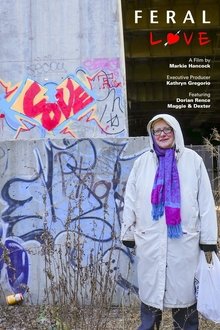
Feral Love (2016)
Crazy cat lady or world-class musician? You decide. Dorian Rence smashes our notions of what matters and who counts in "Feral Love." Dorian was the seventh woman to join the New York Philharmonic. In her 40-year career she has performed with all the greats: Leonard Bernstein, Pierre Boulez, Zubin Mehta, Yo Yo Ma to name a few. And she cares for a feral cat colony in the tunnels of New York City.
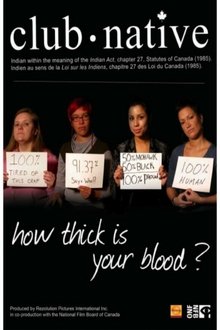
Club Native (2008)
With moving stories from a range of characters from her Kahnawake Reserve, Mohawk filmmaker, Tracey Deer, reveals the divisive legacy of more than a hundred years of discriminatory and sexist government policy to expose the lingering "blood quantum" ideals, snobby attitudes and outright racism that threaten to destroy the fabric of her community.
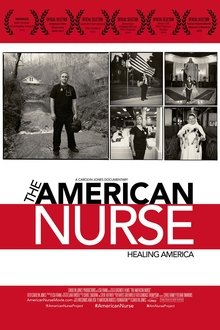
The American Nurse (2014)
THE AMERICAN NURSE is a heart-warming film that explores some of the biggest issues facing America - aging, war, poverty, prisons - through the work and lives of nurses. It is an examination of real people that will change how we think about nurses and how we wrestle with the challenges of healing America. THE AMERICAN NURSE is an important contribution to America's ongoing conversation about what it means to care. The film follows the paths of five nurses in various practice specialties including Jason Short as he drives up a rugged creek to reach a home-bound cancer patient in Appalachia. Tonia Faust, who runs a prison hospice program where inmates serving life sentences care for their fellow inmates as they're dying. Naomi Cross, as she coaches an ovarian cancer survivor through the Caesarean delivery of her son. Sister Stephen, a nun who runs a nursing home filled with goats, sheep, llamas and chickens, where the entire nursing staff comes together to sing for a dying resident.
On Native Soil (2006)
The film analyzes the efforts by the families of 9/11 victims to create the 9/11 Commission and what information was revealed by it in the 9/11 Commission Report.
Olympia Part One: Festival of the Nations (1938)
Starting with a long and lyrical overture, evoking the origins of the Olympic Games in ancient Greece, Riefenstahl covers twenty-one athletic events in the first half of this two-part love letter to the human body and spirit, culminating with the marathon, where Jesse Owens became the first track and field athlete to win four gold medals in a single Olympics.
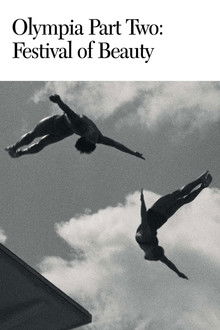
Olympia Part Two: Festival of Beauty (1938)
Part two of Leni Riefenstahl's monumental examination of the 1938 Olympic Games, the cameras leave the main stadium and venture into the many halls and fields deployed for such sports as fencing, polo, cycling, and the modern pentathlon, which was won by American Glenn Morris.
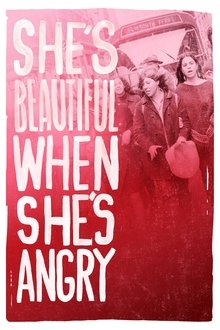
She's Beautiful When She's Angry (2014)
A documentary that resurrects the buried history of the outrageous, often brilliant women who founded the modern women's movement from 1966 to 1971.

This Time Next Year (2014)
A poetic documentation of the Long Beach Island, NJ community as they battle local politics, cope with personal tragedy, and band together after Hurricane Sandy.
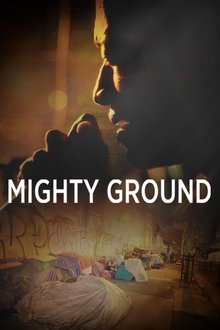
Mighty Ground (2017)
A gifted singer, struggling with addiction on the streets of Skid Row, sets out on a journey to transform his life.

Deadly Obsession (2013)
They call it religion. It's been branded a cult. The lethal handling of serpents. In the name of God. Immolation, speaking in tongues, ecstasy, self injury and the dangerous snakes. The bible belt of the very South. Backyard churches. In West Virginia, Kentucky and Tennessee. Appalachia.

Edinburgh (1934)
Directed by Marion Grierson, who ran the film unit of the Travel and Industrial Development Association (TIDA), this short film contains some fine photography of the delights on offer to Edinburgh visitors - including trams, bustling streets, restful parks and some familiar tourist sights.

So This Is London (1933)
London at its best? This gorgeously photographed portrait of the capital was made by Marion Grierson, sister of the more famous John Grierson, often hailed as the father of documentary film. The film transcends the typical travelogue thanks to the photography of William Shenton and Grierson's poetic approach to editing - which prefigures modern films like the acclaimed From the Sea to the Land Beyond (2012). The film achieved international fame at the time of its original release, yet Marion Grierson is almost completely overshadowed in the history of British documentary film by her brother John.
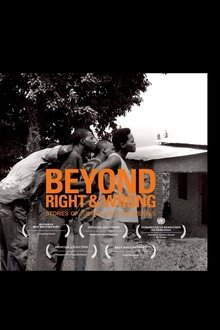
Beyond Right & Wrong: Stories of Justice and Forgiveness (2012)
A survivor of the Rwandan Genocide struggles to forgive the man who killed her children. A victim’s daughter strikes up an unusual friendship with the ex-IRA bomber who killed her father. And two men—one Israeli, one Palestinian—form a bond after tragedies claim their daughters.