Czech painter and illustrator Alphonse Mucha (1860-1939) ranks among the pioneers of the Art Nouveau movement at the end of the 19th century. Virtually overnight, he becomes famous in Paris thanks to the posters that he designs to announce actress Sarah Bernhardt’s plays. But at the height of his fame, Mucha decides to leave Paris to realize his lifetime project.
Related Movies
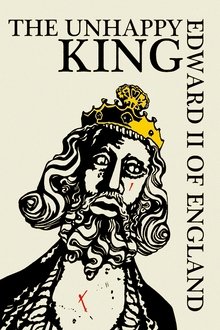
Edward II of England: The Unhappy King (2019)
His opponents accused him of being homosexual. The male favorites he gathered around him during his short life gave those malevolent enemies solid arguments to do so. He would not have failed if he had proved himself to be an energetic king. But Edward II of England (1284-1327) never was a king like Edward I Longshanks, his father, or Edward III, his son, were. And his end is shrouded in myth and mystery.
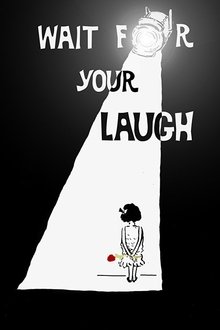
Wait for Your Laugh (2017)
The life and career of comedian Rose Marie is documented through interviews with friends and colleagues as well as never-before-seen home movies shot by the actress herself.

Polanski, Horowitz. The Wizards From the Ghetto (2021)
Filmmaker Roman Polanski and photographer Ryszard Horowitz meet in Kraków, Poland, where, strolling the streets, they share memories of their childhood and youth, the hardest days of their lives, when, during World War II, they met in the ghetto established by the Nazi occupiers.
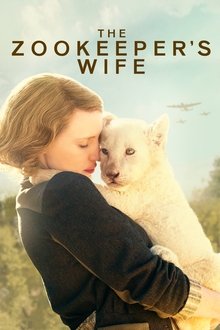
The Zookeeper's Wife (2017)
The account of keepers of the Warsaw Zoo, Jan and Antonina Zabinski, who helped save hundreds of people and animals during the Nazi invasion.
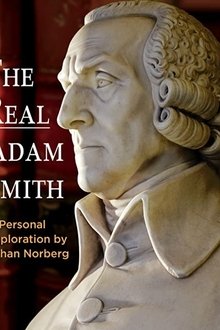
The Real Adam Smith: Ideas That Changed The World (NaN)
The Real Adam Smith: A Personal Exploration by Johan Norberg, takes an intriguing, two-part look at Smith and the evolution and relevance of his ideas today, both economic and ethical. It’s difficult to imagine that a man who lived with horse drawn carriages and sailing ships would foresee our massive 21st century global market exchange, much less the relationship between markets and morality. But Adam Smith was no ordinary 18th century figure. Considered the “father of modern economics,” Smith was first and foremost a moral philosopher. The revolutionary ideas he penned in The Wealth of Nations and The Theory of Moral Sentiments, changed the world. Norberg explores Smith’s insights regarding free trade and the nature of wealth to the present, where they are thriving and driving the world’s economy.
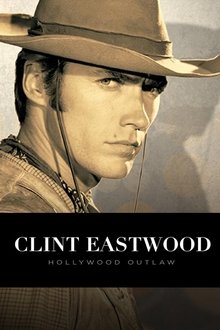
Clint Eastwood: Hollywood Outlaw (2020)
Film clips and interviews with biographers and colleagues chart the prolific, six-decade career of maverick actor-director Clint Eastwood.
One Hundred Steps (2000)
Peppino Impastato is a quick-witted lad growing up in 1970s Sicily. Despite hailing from a family with Mafia ties and living just one hundred steps from the house of local boss Tano Badalamenti, Peppino decides to expose the Mafia by using a pirate radio station to broadcast his political pronouncements in the form of ironic humour.
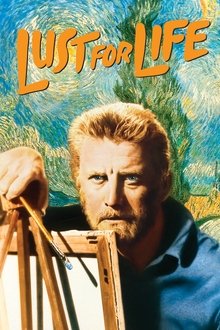
Lust for Life (1956)
An intense and imaginative artist, revered Dutch painter Vincent van Gogh possesses undeniable talent, but he is plagued by mental problems and frustrations with failure. Supported by his brother, Theo, the tormented Van Gogh eventually leaves Holland for France, where he meets volatile fellow painter Paul Gauguin and struggles to find greater inspiration.
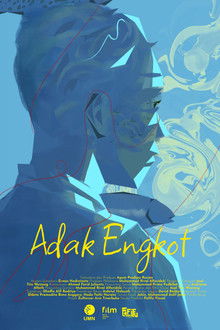
Adak Engkot (NaN)
Aidil, a teenager from Maratua Island, as he prepares to inherit his father’s grouper fish farming business. Amidst natural challenges and family expectations, Aidil grows from a curious boy into his father’s true partner. This is a coming-of-age story about legacy, resilience, and the unspoken bond between father and son.
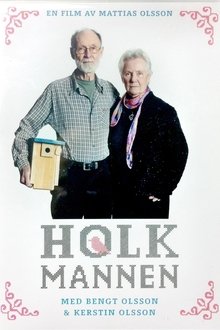
Holkmannen (2014)
A father tends to get obsessed with stuff. For a while he was all about Jujutsu. Then there was the period with macrobiotic cooking. Lately he only talks about bird houses.
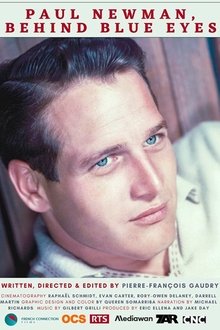
Paul Newman, Behind Blue Eyes (2021)
From the very beginning, actor Paul Newman captivated the cinema audience with his exceptional azure eyes. The reserved Newman himself finds it trivial and even disturbing that everyone is so taken with his appearance. The actor and director - who has played in more than sixty films and directed twelve of them - prefers to focus on his work and family. And, at least as important, on his philanthropic ventures and political activism.

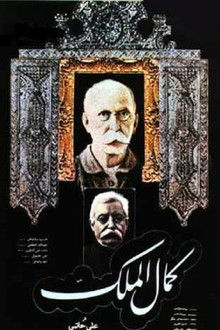
Kamalolmolk (1984)
The movie chronicles the life of the famous painter Kamololmolk, and his relationship with various kings.
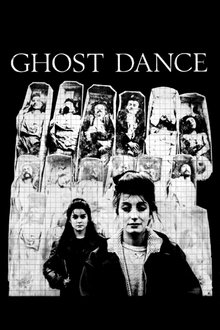
Ghost Dance (1983)
Through the experiences of two women in Paris and London, Ghost Dance offers an analysis of the complexity of our conceptions of ghosts, memory and the past. The film focuses on the French philosopher Jacques Derrida, who observes, 'I think cinema, when it's not boring, is the art of letting ghosts come back.' He also says that 'memory is the past that has never had the form of the present.'
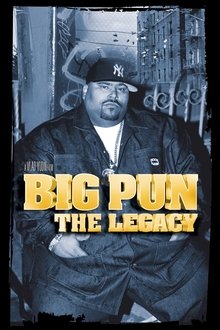
Big Pun: The Legacy (2009)
His rhymes caught the attention of millions. His flow is un-matched by any. His story is captivating and triumphant. "Big Pun: The Legacy" chronicles the life of the Grammy Nominated artist "Big Pun" aka Christopher Rios, a Puerto Rican from the Bronx who made history by becoming the first Latino rapper to sell over a million records.
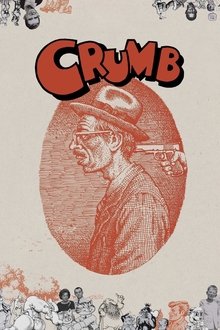
Crumb (1994)
This movie chronicles the life and times of R. Crumb. Robert Crumb is the cartoonist/artist who drew Keep On Truckin', Fritz the Cat, and played a major pioneering role in the genesis of underground comix. Through interviews with his mother, two brothers, wife, ex-wife and ex-girlfriends, as well as selections from his vast quantity of graphic art, we are treated to a darkly comic ride through one man's subconscious mind.
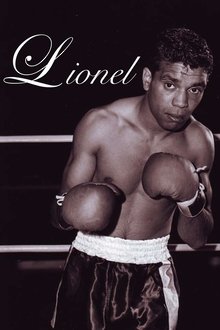
Lionel (2008)
Lionel Rose, Australia's first Aboriginal world champion boxing hero - the man behind the myth
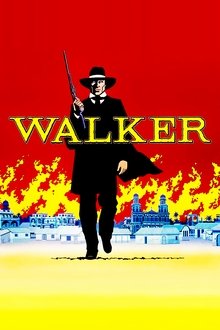
Walker (1987)
William Walker and his mercenary corps enter Nicaragua in the middle of the 19th century in order to install a new government by a coup d'etat.
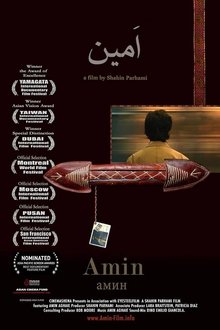
Amin (2010)
AMIN portrays Qashqai musician Amin Aghaie, a young modern nomad and his family who despite facing steep financial, cultural and political obstacles are dedicated to their art and culture. Amin travels to remote towns and villages to record the music of the surviving masters whose numbers decline each year. His nomadic family are selling their meager belongings to help support their son's education in performance and ethnomusicology at Tchaikovsky's Conservatory in Kyiv, Ukraine, but it is not enough. Amin, desperate to finish his academic education, sells his violins one at a time just to pay for his tuition.