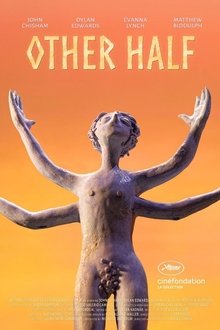
Derived from an installation, an asymmetrical orchestration of "motion paintings" pushing the limits of abstraction in the digital age.
Related Movies

Wind (1988)
Anti-nuclear cartoon about a soldier at a nuclear test site. Among other things, the mutating effect of radiation is shown in a bizarre form.

Paradise Lost (1970)
This short animation by artist and animator Evelyn Lambart offers a wordless plea for the right of all living creatures to a clean, unpolluted environment. With rich colour and intricate animated motion, the film features birds, butterflies and other woodland creatures succumbing to air pollution caused by human inventions.
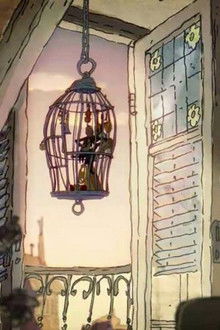
The Musical Mr. Finch (2010)
The musical Mr Finch has spent the last few years of his life trapped in a birdcage with only his collection of instruments for company. Captured by a horrible old woman and forced to play for her delight. One night, when she is asleep, he manages to escape. Suddenly the cage doesn't seem such bad idea anymore.
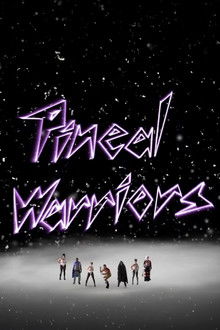
Pineal Warriors (2013)
The long lost pilot episode of the cherished early 90's Cuban sci-fi television show 'Supermeng'. Set in the Bermuda Triangle, the program chronicles the adventures of the world's first Hispanic superhero and his efforts to save Miami from the evil interdimensional reptiles known as the Annunaki.

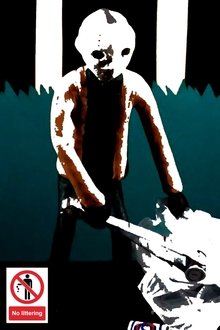
NO LITTERING (2013)
While enjoying a date in a park, a man carelessly tosses an empty bottle onto the ground. His selfish littering promptly summons an imposing figure wearing a white hockey mask. The gruesome events that follow tell an admonishing tale about the importance of preserving the outdoors and defending the environment from the ugly menace of litter. The short was made for the tve YouTube Relay project, but wasn't included because it's too violent.
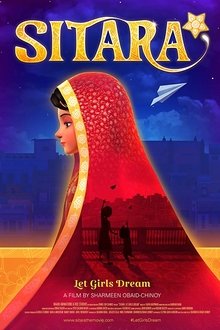
Sitara: Let Girls Dream (2019)
Pari, a 14-year-old girl, dreams of becoming a pilot while growing up in a society that doesn’t allow her to dream.

Everything is Fine (1991)
Animated film from Robert Sahakyants. Political satire on the last years of Soviet Russian rule over Armenia. It makes fun of several well known Soviet leaders. Based on a popular Russian song from the 1930's

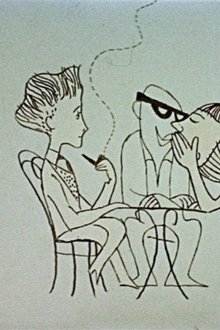
Joy of Love (1966)
This melancholy piece about the metamorphoses of love and the eternal dissatisfaction of human beings with what they have was inspired by the lyrics of the French song "Plaisir d'amour."
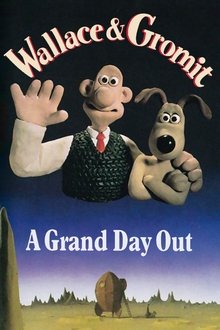
A Grand Day Out (1990)
Wallace and Gromit have run out of cheese, and this provides an excellent excuse for the duo to take their holiday to the moon, where, as everyone knows, there is ample cheese. Preserved by the Academy Film Archive.
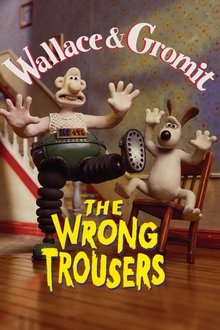
The Wrong Trousers (1993)
Wallace rents out Gromit's former bedroom to a penguin, who takes up an interest in the techno trousers created by Wallace. However, Gromit later learns that the penguin is a wanted criminal.
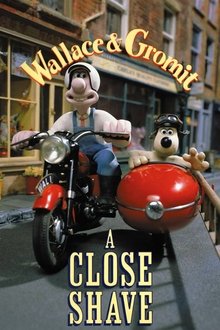
A Close Shave (1996)
Wallace's whirlwind romance with the proprietor of the local wool shop puts his head in a spin, and Gromit is framed for sheep-rustling in a fiendish criminal plot.
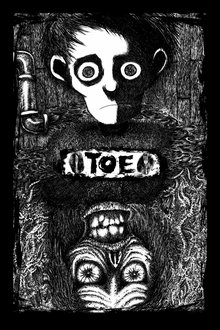
Toe (2019)
A stop-motion gothic folktale. A starving young boy eats a human toe that he finds in the ground. Later that night, something comes to his bedroom wanting it back.