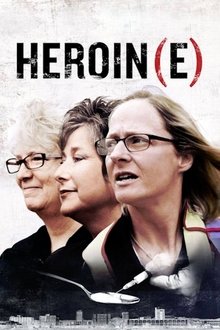
This documentary intends to contribute to the analysis of the drugs problem, by studying a huge district in a peripheral area of a large city: the Mirafiori South suburb of Turin, a vast ghetto where 15.000 people live in huge 9/10-storey buildings without any social services.
Related Movies

Woodstock (1970)
An intimate look at the Woodstock Music & Art Festival held in Bethel, NY in 1969, from preparation through cleanup, with historic access to insiders, blistering concert footage, and portraits of the concertgoers; negative and positive aspects are shown, from drug use by performers to naked fans sliding in the mud, from the collapse of the fences by the unexpected hordes to the surreal arrival of National Guard helicopters with food and medical assistance for the impromptu city of 500,000.

Dig! (2004)
A documentary on the once promising American rock bands The Brian Jonestown Massacre and The Dandy Warhols. The friendship between respective founders, Anton Newcombe and Courtney Taylor, escalated into bitter rivalry as the Dandy Warhols garnered major international success while the Brian Jonestown Massacre imploded in a haze of drugs.

Britain's Child Drug Runners (2019)
Children as young as seven are being groomed to sell drugs for 'county lines' drugs gangs in towns and villages all over the UK. This film follows four young people trapped in this world.
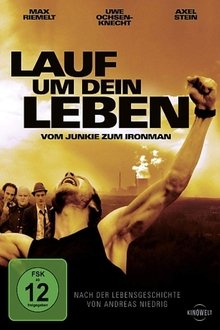
Run for Your Life! (2008)
He lived the junkie's life as a heroin addict. Triathlon transformed him. Biopic of the record breaking Ironman Andreas Niedrig.
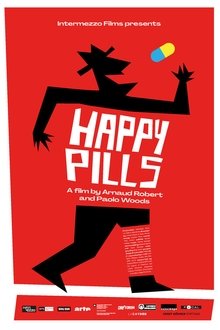
Happy Pills (2023)
A journey through six different countries and characters into a world where chemistry is the ultimate response to human pursuits of well-being.
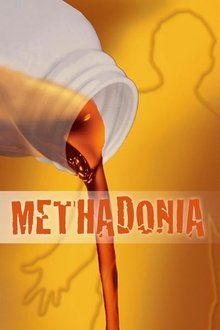
Methadonia (2005)
Shot over the course of 18 months in New York City's Lower East Side, METHADONIA sheds light on the inherent flaws of legal methadone treatments for heroin addiction by profiling eight addicts, in various stages of recovery and relapse, who attend the New York Center for Addiction Treatment Services (NYCATS).

But... Seriously (1994)
A documentary juxtaposing the events of the 20th century with the commentary of stand-up comedians.

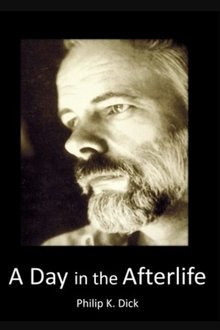
Philip K Dick: A Day in the Afterlife (1994)
A poetic look at the life and legacy of legendary author Philip K. Dick (1928-1982), who wrote over a hundred short stories and 44 novels of mind-bending sci-fi, exploring themes of authority, drugs, theology, mental illness and much more.
LSD: The Beyond Within (1986)
This refreshingly frank and impartial study of the discovery and development of the notorious hallucinogenic drug is notably free of moral judgmental, and features contributions from such legendary heroes of psychedelia as Albert Hoffman - the Swiss scientist who discovered the drug - Aldous Huxley - author of 'The Doors of Perception' - Ken Kesey - author of 'One Flew Over the Cuckoo's Nest.

Ben: Diary of a Heroin Addict (2008)
Ben Rogers was a bright schoolboy from a loving, middle class family. He played in the orchestra, loved cricket and enjoyed the annual family holiday. But his future promise was halted when he started taking drugs in his teens. Early drinking led to cannabis, harder drugs, and then the revelation to his family, at the age of 21, that he was addicted to heroin. Over the next 13 years Ben and his family battled with his addiction, going through detox, rehab and attempts at 'cold turkey', but his health gradually declined. Whilst attempting another detox aged 34, he died from a brain haemorrhage. But during the last two years of his life, Ben filmed an unflinching video diary showing his final desperate attempts to come off heroin. It's a portrayal of his descent; intimate, raw, and at times difficult to watch, he talks to his glove puppet as he injects into a vein in his groin.
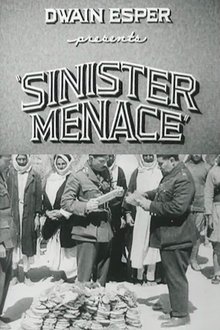
Sinister Harvest (1930)
Early "shockumentary", apparently shot in Egypt, which documents the habits of opium addicts. The interiors of drug dens are shown, and at the conclusion the film an addict is shown collapsing on a sand dune; the booming voice of the narrator informs us that the addict has perished. Footage used is from the silent film Dope Fiends.
Drugs Are Like That (1969)
[…] Though the highs and lows of human experience are all here, it's often the gimcrack set design and fashion chops in these vintage clunkers that really wow – the pot-holder sweater vests, ponytails decorated with yarn, hippies with crumb-catching moustaches, banana-seat bikes and a hard rain of Quaaludes and amphetamines to illustrate the dangers of drug addiction. It is hard to believe anyone would buy the goofball cause-and-effect of that pill-popper's weather pattern in "Drugs Are Like That". Co-produced by the Miami Junior League and narrated by Anita Bryant in this cheery little hand-slapper, a kid stealing cookies from a cookie jar is implied to be headed down a bad road to Bowery bum rolls and LSD parties. (from: http://clatl.com/atlanta/av-geeks-greatest-hits-lessons-learned/Content?oid=1268313)

Mission Mind Control (1979)
Uncovering government agencies (especially the CIA) that secretly tested the effects of LSD on humans.
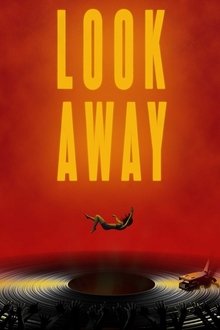
Look Away (2021)
Interviews from women involved in the 70's and 80's rock music industry. An examination of the people taking advantage of underage fans and calling for a "Me too" movement in the music world

Drug Abuse: The Chemical Tomb (1969)
The dangers of drug use by teenagers are illustrated by showing how well-dressed, happy teens are turned into slovenly, long-haired, drug-addled potheads who don't know that, according to the film's drug expert, “in high dosages, it [marijuana] parallels LSD.”

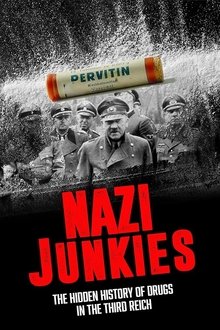
Hitler's Junkies (2015)
In Third Reich, the abuse of drugs made commanders and soldiers feel invincible. The Führer himself took them on daily basis. This is the unbelievable story of the D-IX project and of methamphetamines, which, abundantly furnished to soldiers, changed the course of history.
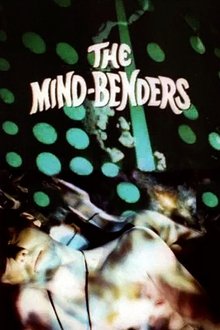
The Mind-Benders: LSD and the Hallucinogens (1967)
This FDA film explores the history of hallucinogenic drugs, and specifically the effects and therapeutic uses of lysergic acid diethylamide (LSD). Combining graphics that suggest a hallucinogenic experience, snippets of interviews with users (who explain their reasons for taking the drug) and doctors, and taped sessions of research with volunteers, the film delves into the destructive as well as possible positive uses of the drug.