A small leopard with aquamarine eyes learns the fundamental skills of survival during her first three years.
Related Movies

Our National Parks: A Seasonal Tour (1989)
Our National Parks takes you on a journey through the four seasons and the many faces of our scenic national parks. Experience an array of lands and waters from Alaska's glacier-clad Denali to the turquoise coves and coral reefs of the Virgin Islands; from the fire of Hawaii Volcanoes to the coolness of Kentucky's Mammoth Cave; from the moonscapes of South Dakota's Badlands to the granite shores of Maine's Acadia. With award-winning filmmaker Wolfgang Bayer you get an in-depth tour of nine of the most popular national parks plus a seasonal overview of many more.
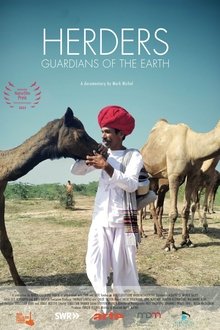
Herders - Guardians of the Earth (2023)
A graceful and moving meditation on a disappearing way of life. Tender and unsentimental at the same time. Set in landscapes of remarkable size and beauty, the film portrays the world of the often invisible and marginalized pastoral cultures that exist all over the world. The film captures the beauty and harshness of this dying way of life, explores the deep and ancient partnerships between humans and animals, and tells of a type of food production and way of life that gives back more to nature and humanity than it takes away. The ancient practices of nomadic pastoralism contain a wisdom that deserves to be preserved and protected. It is time for a tribute. And a chance to rethink.
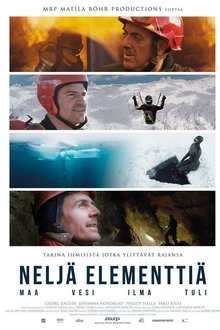
Life in Four Elements (2017)
A journey into four classical elements through the four main characters of the film. The main characters in the movie represent each of their own elements.
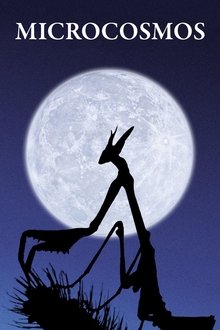
Microcosmos (1996)
A documentary of insect life in meadows and ponds, using incredible close-ups, slow motion, and time-lapse photography. It includes bees collecting nectar, ladybugs eating mites, snails mating, spiders wrapping their catch, a scarab beetle relentlessly pushing its ball of dung uphill, endless lines of caterpillars, an underwater spider creating an air bubble to live in, and a mosquito hatching.


Nature's Double Lifters (1932)
Mary Field edits the time-lapse photography of F. Percy Smith to show the life cycle of ferns and related plants.
He Would a-Wooing Go (1936)
Mary Field and F Percy Smith create this whimsical look at the breeding habits and life cycle of frogs.
The Life Cycle of the Newt (1942)
Underwater and microscopic photography by F. Percy Smith tell the story of a newt's life.
Nah dran - Der Kampf um die Kohle (2018)
The lives of Ruth, Philipp, and Anja are directly linked to coal. And so they are also directly affected by the debate surrounding the coal phase-out. They are concerned about their future, but from different perspectives and in different ways. The days of coal are numbered. A coal commission is currently working on a concept for phasing out coal that includes an end date for lignite mining and power generation while ensuring that the climate protection target for 2030 is achieved. Germany already generates almost 40 percent of its electricity needs from renewable energies.
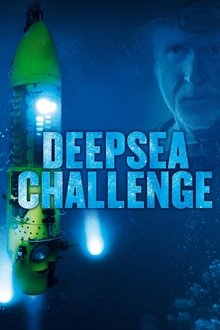
Deepsea Challenge 3D (2014)
Described as being a film about determination, danger and the ocean’s greatest depths, James Cameron's "Deepsea Challenge 3D" tells the story of Cameron’s journey to fulfill his boyhood dream of becoming an explorer. The movie offers a unique insight into Cameron's world as he makes that dream reality – and makes history – by becoming the first person to travel solo to the deepest point on the planet.
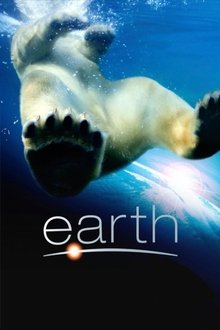
Earth (2007)
An epic story of adventure, starring some of the most magnificent and courageous creatures alive, awaits you in EARTH. Disneynature brings you a remarkable story of three animal families on a journey across our planet – polar bears, elephants and humpback whales.

I'll See You Again (2022)
A group of artists settle in a swamp on the banks of the Indre River. Meanwhile, a voice describes a utopian world.
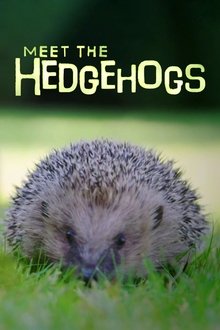
Meet the Hedgehogs (2017)
Steve Backshall visits a hedgehog rescue centre in Surrey founded by Brian May. He meets the dedicated staff and discovering the stories behind some of the animals being treated, helps to release a successfully treated hedgehog back into the wild, and offers advice on how to make a garden into a welcoming environment for the creatures.
Siberian Apocalypse (2006)
This astounding documentary delves into the mysteries of the Tunguska event – one of the largest cosmic disasters in the history of civilisation. At 7.15 am, on 30th June 1908, a giant fireball, as bright the sun, exploded in the sky over Tunguska in central Siberia. Its force was equivalent to twenty million tonnes of TNT, and a thousand times greater than that of the atomic bomb dropped on Hiroshima in 1945. An estimated sixty million trees were felled over an area of over two thousand square kilometres - an area over half the size of Rhode Island. If the explosion had occurred over London or Paris, hundreds of thousands of people would have been killed.
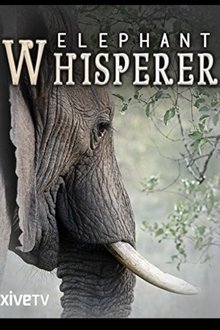
Elephant Whisperer (2012)
Sangduen Chailert, or Lek, as she is generally known, has already rescued over 200 elephants. She has dedicated her life to saving the Asian elephant and founded a special camp, The Elephant Nature Park to protect them. We follow this winner of Time Magazine’s “Asian Hero of the Year” Award in her work. Lek is on a mission to save the Asian elephant in her native Thailand. This film looks at the plight of the Asian elephant, as it goes from being a widely used domestic animal, to becoming a burden on modernizing communities. With experts predicting its extinction within four decades, Lek’s work is needed now more than ever and she has gathered a large group of supporters and volunteers in her quest for a better future for the Asian elephant. This moving film demonstrates Lek’s natural understanding of and rapport with these huge animals and will stir the viewers emotions as it highlights the often desperate state some elephants are kept in.
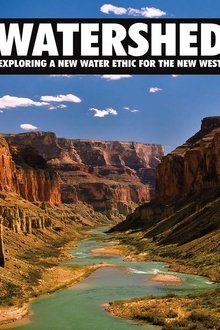
Watershed: Exploring a New Water Ethic for the New West (2012)
As the most dammed, dibbed, and diverted river in the world struggles to support thirty million people and the peace-keeping agreement known as the Colorado River Pact reaches its limits, WATERSHED introduces hope. Can we meet the needs of a growing population in the face of rising temperatures and lower rainfall in an already arid land? Can we find harmony amongst the competing interests of cities, agriculture, industry, recreation, wildlife, and indigenous communities with rights to the water? Sweeping through seven U.S. and two Mexican states, the Colorado River is a lifeline to expanding populations and booming urban centers that demand water for drinking, sanitation and energy generation. And with 70% of the rivers’ water supporting agriculture, the river already runs dry before it reaches its natural end at the Gulf of California. Unless action is taken, the river will continue its retreat – a potentially catastrophic scenario for the millions who depend on it.

Belgium - 20 (2021)
What happens when a world that relies on traffic and the logistics that allow it comes to a standstill? What happens when sickness and even death are taken from us?
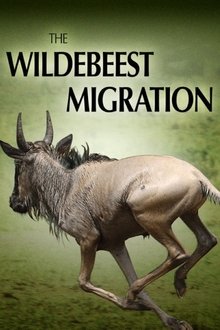
The Wildebeest Migration: Nature's Greatest Journey (2012)
Every year, on the steppes of the Serengeti, the most spectacular migration of animals on our planet: Around two million wildebeest, Burchell's zebra and Thomson's gazelles begin their tour of nearly 2,000 miles across the almost treeless savannah. For the first time, a documentary captures stunning footage in the midst of this demanding journey. The documentary starts at the beginning of the year, when more than two million animals gather in the shadow of the volcanoes on the southern edge of the Serengeti in order to birth their offspring. In just two weeks, the animal herd's population has increased by one third, and after only two days, the calves can already run as fast as the adults The young wildebeest in this phase of their life are the most vulnerable to attacks by lions, cheetahs, leopards or hyenas. The film then follows the survivors of these attacks through the next three months on their incredible journey, a trip so long that 200,000 wildebeest will not reach the end.