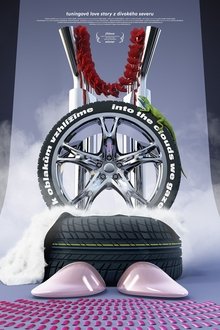
This lost classic, shot on 16mm in a wintry Berlin in 1993, explores the origins of the German trance scene. Featuring interviews with fresh-faced selectors including Laurent Garnier and MFS Records founder Mark Reeder, the documentary also feature footage from the city's iconic Love Parades in 1991 and 1993.
Related Movies

Berlin: Symphony of a Great City (1927)
A day in the city of Berlin, which experienced an industrial boom in the 1920s, and still provides an insight into the living and working conditions at that time. Germany had just recovered a little from the worst consequences of the First World War, the great economic crisis was still a few years away and Hitler was not yet an issue at the time.
What We Started (2018)
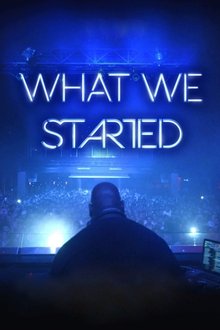
Bert Marcus and Cyrus Saidi present an informed and absorbing exploration of the history of EDM, boosted by an energetic soundtrack and anchored by the personal stories of legendary DJ Carl Cox and superstar newcomer Martin Garrix. Insights from numerous other DJs and musical talents like Moby, David Guetta, Paul Oakenfold and Usher help tell the often oppositional tales of old school vs. new school and mainstream vs. underground.

Rhin et Danube (1948)
A documentary produced by the French armed forces which chronicles the way of France’s “1ere armée” in the second world war from the days it first crossed the Rhine in March of 1945, through the liberation of a POW-camp in Swabia, until the forces reached the Danube and the Alps at the end of the war and the day French troops marched in the victory parade in Berlin.
100 Years of the UFA (2017)
The intricate history of UFA, a film production company founded in 1917 that has survived the Weimar Republic, the Nazi regime, the Adenauer era and the many and tumultuous events of contemporary Germany, and has always been the epicenter of the German film industry.
Björk: Minuscule (2002)
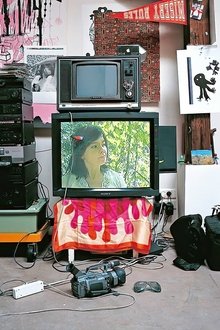
This documentary offers a behind-the-scenes look at Björk and her touring entourage for the 2001 Vespertine tour. It includes interviews with harpist Zeena Parkins, the Inuit choir from Greenland, electronic duo Matmos, and an ongoing conversation with Björk herself about her recordings and her tours. The documentary is interspersed with live footage of songs from the tour shot by Ragnheidur Gestsdóttir, which themselves correspond to the performances chosen for the Vespertine Live album.
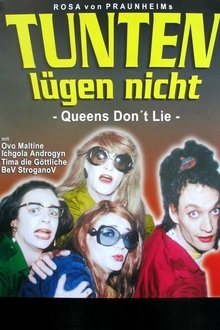
Queens Don’t Cry (2002)
Bosom buddies BeV StroganoV, Ovo Maltine, Ichgola Androgyn and Tima die Göttliche are four Berlin drag queens who met in the mid 1980s. These four queens became Germany’s most popular drag performers and have been busy fertilizing the German cultural scene. Besides being performers, they are also political activists – in AIDS awareness, anti-gay violence, the sex workers movement and the struggle against the extreme right and racism. The film tells their story.

All this Roughness (2020)
An unnamed passer-by is forced to trace a circular route inside an abandoned tram station, facing loss and time. The broken walls act as a channel, transmitting fragmentary, blurred and analogical memories.
The First World War (1934)
Produced by the Fox Movietone News arm of Fox Film Corporation and based on the book by Lawrence Stallings, this expanded newsreel, using stock-and-archive footage, tells the story of World War I from inception to conclusion. Alternating with scenes of trench warfare and intimate glimpses of European royalty at home, and scenes of conflict at sea combined with sequences of films from the secret archives of many of the involved nations.
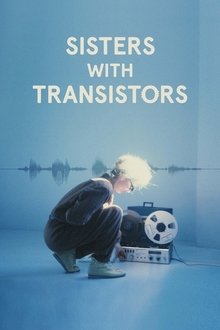
Sisters with Transistors (2021)
Think of early electronic music and you’ll likely see men pushing buttons, knobs, and boundaries. While electronic music is often perceived as a boys' club, the truth is that from the very beginning women have been integral in inventing the devices, techniques and tropes that would define the shape of sound for years to come.
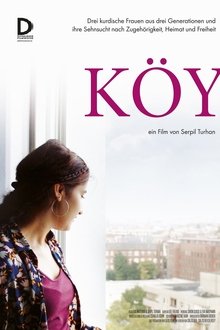
Köy (2022)
KÖY (Turkish for village) is about the longing for home, for belonging and the freedom of the self. Three women from three generations are united by their Kurdish roots.
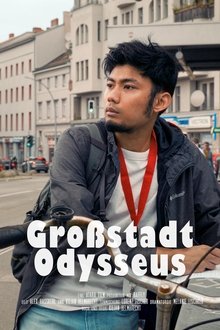
Berlin Ulysses (2024)
Successfully completed your studies - now what? Raffly already has a lucrative job offer from a large German company, but neither an apartment nor a work permit.
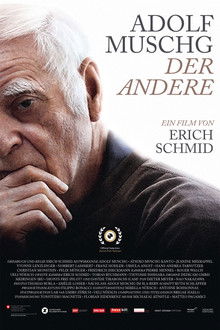
Adolf Muschg – The Other (2021)
In his exploration of the cultural dynamic between East and West, Adolf Muschg, the most significant Swiss writer since Frisch and Dürrenmatt, searched for the other in himself in order to understand otherness.
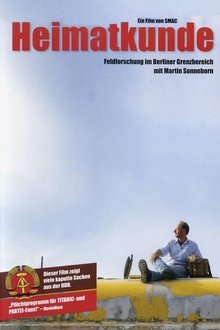
Heimatkunde (2008)
Former "Titanic" satire magazine editor Martin Sonneborn takes an undercover trip around Berlin and discovers the East-German mentality and what is left of the socialist German Democratic Republic.

Scotland the Rave (2021)
Best-selling author Graeme Armstrong reveals his passion for rave, meeting some of the superstar DJs and hardcore party people who created the vibrant and little-explored world of the Scottish rave scene.
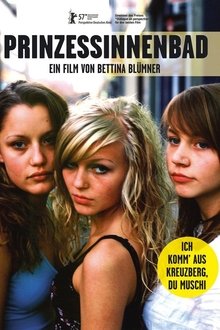
Prinzessinnenbad (2007)
A film about three teenagers - Klara, Mina and Tanutscha - from the Berlin district of Kreuzberg. The trio have known each other since Kindergarten and have plenty in common. The three 15-year-olds are the best of friends; they are spending the summer at Prinzenbad, a large open-air swimming pool at the heart of the district where they live. They're feeling pretty grown up, and are convinced they've now left their childhood behind.

Im Techno-Rausch - 60 Stunden Dauerparty (1996)
Documentary about the rave and techno scene of the 90s.
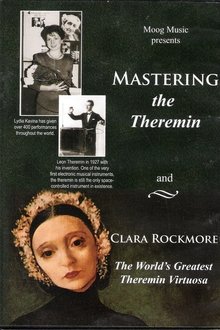
Clara Rockmore: The Greatest Theremin Virtuosa (1998)
Quite simply the finest theremin player who has ever lived, Clara Rockmore began her performing life as a violin prodigy at the age of 5 years old, still the youngest person ever admitted to the prestigious Imperial Conservatory of Saint Petersburg where she studied under the great Leopold Auer. Due to childhood malnutrition causing bone problems in her teen years, she was forced to give up the violin and moved to New York City in the mid 1920's where she met and became involved with Russian electronics genius Leon Theremin and helped him to refine and perfect his new instrument, giving advice from the standpoint of a musical performer to make the theremin more playable and developing her own hand techniques and exercises for playing the instrument.