Examines the 40-year evolution of gender inequality and discrimination in the workplace since the 1980 release of the comedy film “9 to 5” starring Jane Fonda, Lily Tomlin, Dolly Parton, and Dabney Coleman.
Related Movies
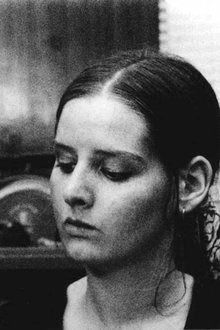
A Film for Discussion (1973)
A docu-drama shot in 1970, but not completed until 1973, the film sought to encapsulate in an experimental form issues that were under discussion within the Women’s Liberation Movement at this time and to thus contribute to action for change. In its numerous community screenings, active debate was encouraged as part of the viewing experience.
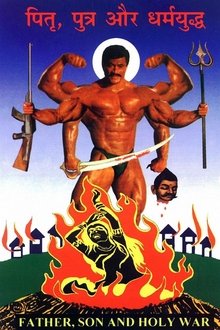
Father, Son and Holy War (1994)
Filmmaker Anand Patwardhan looks to history and psychology as he delves into the possible reasons behind the demolition of the Babri Mosque.

Mercedes as Butterfly (2024)
In the suburbs of Montpellier, France, in the spring of 2024, a Roma wedding celebration is about to begin. In the bedroom of a small apartment, Luisa and her cousins meet up to talk about their dreams, their traditions, and their desire for emancipation. The ritual of flamenco dancing became for Luisa a space of freedom.
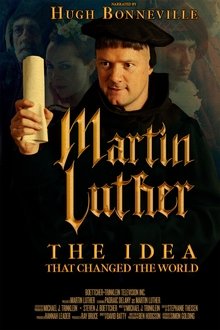
Martin Luther: The Idea that Changed the World (2017)
The year 2017 marks the 500th anniversary of one on the most important events in Western civilization: the birth of an idea that continues to shape the life of every American today. In 1517, power was in the hands of the few, thought was controlled by the chosen, and common people lived lives without hope. On October 31 of that year, a penniless monk named Martin Luther sparked the revolution that would change everything. He had no army. In fact, he preached nonviolence so powerfully that — 400 years later — Michael King would change his name to Martin Luther King to show solidarity with the original movement. This movement, the Protestant Reformation, changed Western culture at its core, sparking the drive toward individualism, freedom of religion, women's rights, separation of church and state, and even free public education. Without the Reformation, there would have been no pilgrims, no Puritans, and no America in the way we know it.
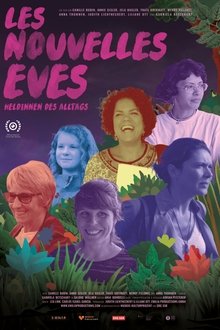
Les nouvelles Èves (2021)
June 2020, Corona, one year after the national women's strike. Six directors dive into the everyday life of six women and explore what it means to be a woman in today's Switzerland.
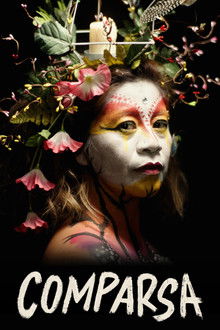
Comparsa (2025)
From the shadows of a Guatemalan neighbourhood scared into silence, two sisters lead a luminous rebellion—unleashing joy, art, and radical truth in a fight for survival.

A Powerful Noise (2008)
Bookended by call-to-action quotes from Margaret Mead and Mahatma Gandhi, this inspiring documentary follows three extraordinary women -- in Bosnia-Herzegovina, Mali, and Vietnam -- as they lead day-to-day battles against ignorance, poverty, oppression, and ethnic strife.
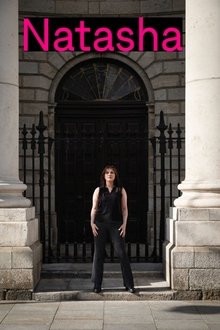
Natasha (2025)
After surviving a violent assault by a serving soldier who was convicted but walked free with a suspended sentence, Natasha O'Brien refused to stay silent.
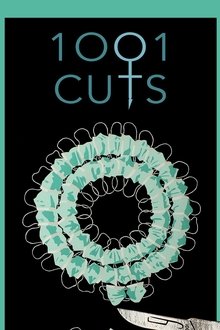
1001Cuts (2024)
The daughters of Title IX discover that pervasive gender-based stereotypes and discrimination persist within the high stakes professional world of surgery - a workplace designed for and and still controlled by men. Since 2003, half of medical students in the US have been women. Women remain in the minority in most surgical fields but their proportion is increasing. Leadership and culture in surgery remain disproportionately and persistently male despite ample evidence that women are just as good (and possibly better) at delivering care. Systemic barriers to success for women surgeons must be confronted and addressed for the surgical workforce to stay healthy and for patients to stay safe. We’ve interviewed dozens of surgeons who are women about their experiences, hopes, dreams and careers. This is a group of extraordinarily dedicated physicians who work every day to improve the health and lives of others despite untold challenges.
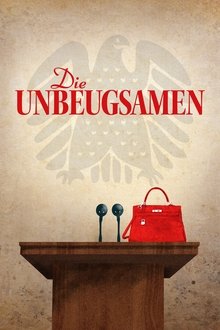
The Indomitable (2021)
The story of women's struggle against sexual discrimination and for inclusion in the democratic process in (West) Germany after WW II.
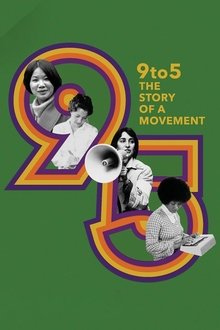
9to5: The Story of a Movement (2020)
In the early 1970s, a group of secretaries in Boston decided that they had suffered in silence long enough. They started fighting back, creating a movement to force changes in their workplaces. This movement became national, and is a largely forgotten story of U.S. twentieth century history. It encapsulates a unique intersection of the women’s movement with the labor movement. The awareness these secretaries brought to bear on women’s work reverberates even today. Clericals were the low-wage workers of their era. America now confronts the growing reality of deep income inequality. The stories and strategies of these bold, creative women resonates in contemporary America.
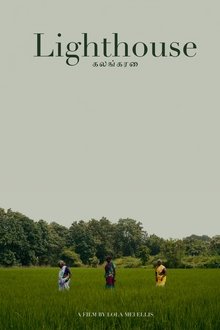
Lighthouse (2024)
After the Indian Ocean Tsunami of 2004, widowed women struggled to receive aid due to their social status. Following the story of Mrs. Manjula along with many other women from Tamil Nadu, the challenges faced by millions of widows across the country are illuminated. From being ostracized to denied basic rights and economic opportunities, widows in India endure a cycle of discrimination and marginalization. “Kalangarai” meaning "lighthouse" in Tamil, is an organization dedicated to empowering women through initiatives such as self-help groups and educational programs. Throughout the film, "Lighthouse" illustrates the emotional journeys and resilience of these women, as well as the active change that Kalangarai strives to achieve. This documentary urges global awareness and support for widowed women’s rights, as the women’s struggles depict the intersectionality of gender, poverty, and social injustice.

Copa 71 (2024)
The extraordinary story of the 1971 Women’s World Cup, which was held in Mexico City and witnessed by more than 100,000 fans. This landmark tournament was dismissed by FIFA and written out of sports history – until now, with dazzling archival footage and interviews with the former players.
Exit (2017)
The film accompanies two women who have left the Jewish ultra-orthdox community. While Sara is still struggling with the consequences of her pullout, Heidi is already fighting for the rights of women who have the courage to take this step.
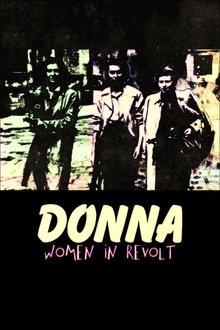
Donna: Women in Revolt (1980)
The story of those Italian women who, for eighty years, have fought against power in all its forms.
Dust Flower Flame (NaN)
Tahirih Qurrat al-Ayn was first Iranian women right activist, Bab-i fighter ,theologian,poet. Tahirih was a woman of letters who lived in the nineteenth-century. Her name is synonymous with the emancipation of women and social justice and her life has inspired generations of women ever since, particularly Iranian women’s right movements.Since 1979, the Islamic Republic of Iran forbids any literature or discourse that portrays Tahirih in a positive light. Her name has been removed from the latest editions of history books published in Iran.
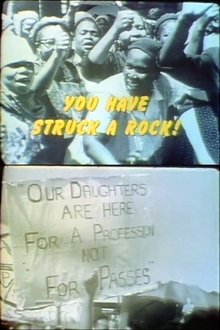
You Have Struck a Rock! (1981)
You Have Struck A Rock! commemorates the special contribution of South African women to the success of the anti-apartheid struggle. It recovers the remarkable "women's campaigns" of the 1950s against the hated pass system. This massive, non-violent civil disobedience movement was only finally crushed by the 1960 Sharpeville Massacre and the banning of anti-apartheid organizations. Lilian Ngoyi, Helen Joseph, Dora Tamana and other leaders recall this struggle and their imprisonment and banning. Yet they remain undaunted, demonstrating the South African proverb: "When you have touched a woman, you have struck a rock."