In What Makes a Woman, Munroe Bergdorf sets out to explore the changing world of gender and identity by way of her very own, very personal journey. Showing her in quiet, intimate, and extremely vulnerable moments. An honest insight into gender identity, Bergdorf prepares for a life-changing facial surgery, helping her finally picture herself as a woman.
Related Movies
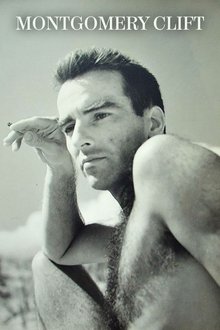
Montgomery Clift (1983)
A documentary incorporating footage of Montgomery Clift’s most memorable films; interviews with family and friends, and rare archival material stretching back to his childhood. What develops is the story of an intense young boy who yearned for stardom, achieved notable success in such classic films as From Here to Eternity and I Confess, only to be ruined by alcohol addiction and his inability to face his own fears and homosexual desires. Montgomery Clift, as this film portrays him, may not have been a happy man but he never compromised his acting talents for Hollywood.
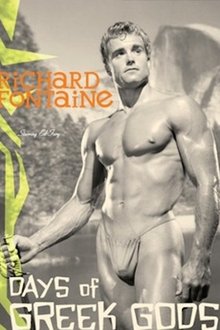
Richard Fontaine's Days of Greek Gods (1988)
Richard Fontaine and Bob Mizer started the current exploration of the male nude in film and photography. The two shared ideas props and models and reinvented some of the sexual icons that we all still recognise today. The gladiator the sailor, the cowboy… Starting with posing-straps and graduating to nudes their "art studies" enlisted the talents of up-and-coming actors and bodybuilders. This film recalls that era.
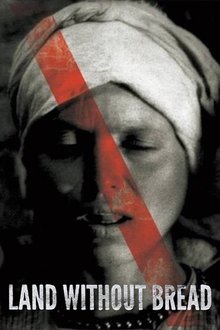
Land Without Bread (1933)
An exploration —manipulated and staged— of life in Las Hurdes, in the province of Cáceres, in Extremadura, Spain, as it was in 1932. Insalubrity, misery and lack of opportunities provoke the emigration of young people and the solitude of those who remain in the desolation of one of the poorest and least developed Spanish regions at that time.
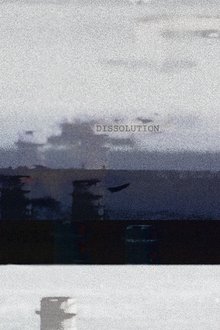
Dissolution (NaN)
This video takes a particular viewpoint, with the camera placed behind a zone of blur. Slowly, we experience the perception of an expanded time. An expectation is created and resolved in the observation of the passage of boats that dissolve into the nebulousness, disappearing from our sight like a mirage.

I'm a Porn Star (2013)
I'm a Porn Star follows the lives of guys in the neighborhood who are likely a lot more famous than you - at least on the Internet. There are an estimated 370 million pornographic websites on-line. Porn is now a thirteen BILLION dollar business. So who's doing all this moonlighting? Turns out -- probably some people you know.

Afro Mood Burlesque (1947)
A burlesque short starring Amalia Aguilar. Part of "Joe Bonica presents the Movie of the Month" nudie film series.
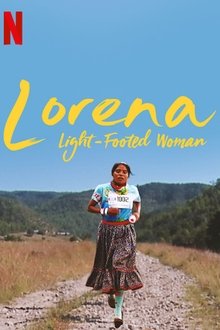
Lorena: Light-Footed Woman (2019)
A young woman of the Tarahumara, well-known for their extraordinary long distance running abilities, wins ultramarathons seemingly out of nowhere despite running in sandals.
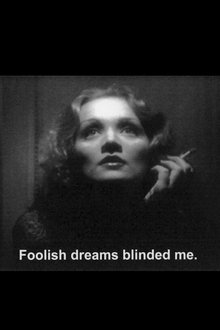
The Great Yiddish Love (2002)
Set in Berlin and New York's Lower East Side, The Great Yiddish Love stars the self-exiled Marlene Dietrich and her Nazi-endorsed replacement, Zarah Leander. It is a melodrama of love, emigration, and betrayal reassembled from Hollywood, German Ufa and Yiddish films from the 1930s and 40s.

Stunned, I Remain Alert (2020)
Journalist Dermi Azevedo has never stopped fighting for human rights and now, three decades after the end of the military dictatorship in Brazil, he's witnessing the return of those same practices.
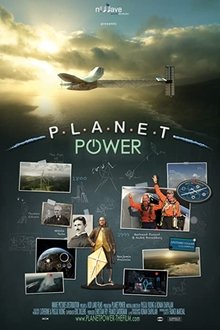
Planet Power (2018)
This movie explores the history of electricity - from the first spark created by man's hand to today's industrial power plants. We meet scientists who changed the world, like Faraday, Franklin, and Tesla and we glimpse the future, as Solar Impulse becomes the first plane to complete a round-the-world flight powered only by the sun. With a mix of chalk animation, CGI, archival footage and spectacular aerials, the film also explores the challenges ahead: how to meet the growing energy needs of our industrialized world, while also protecting the health of our planet.
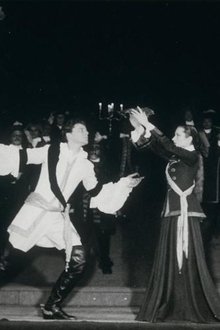
Le Théâtre National Populaire (1956)
The T.N.P., the Théâtre National Populaire, an important experimental theater directed by Jean Vilar. Franju combines sequences from theatrical performances with documentary images, creating links and confrontations between theater and the real world.
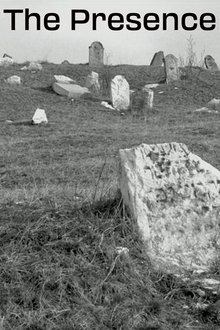
The Presence (1965)
Two old men enter an abandoned synagogue, look at the decay around them, and pray.
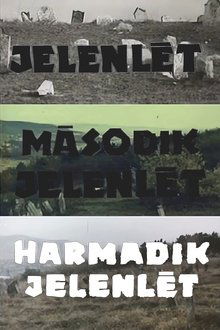
The Presence III (1986)
Two rabbis show the ruins of an abandoned synagogue to a group of primary school-age Jewish children, and stand by as the children dip bread in honey, drink wine, pray, and sing.

Round About Hollywood (1931)
This short travelogue depicts snippets of locations in Hollywood, California, most of them as seen from the streets. Considerable time is taken showing the kinds of architecture of private homes. There are images of various important buildings, and a depiction of the Hollywood Bowl. Finally, there is a sequence revolving around the premiere of the film “Dirigible” (1931) at the famed Chinese Theatre.

8 Arms to Hold You (2004)
An "Ock-umentary" exploring the character of Doc Ock and the way he as well as his tentacles were brought to life on the silver screen.

Declutter (2017)
One Saturday morning, filmmaker Madison Thomas has a revelation: she’s just like her mother. As she thinks about a friend going through tough times, she feels the sudden urge to clean. Through the scrubbing and wiping and rinsing, Madison's thoughts drift to her mother — and her obsessive need to tidy. Madison’s mother survived a traumatic childhood: her own mother never reconciled what she went through at residential school. Cleaning offers moments of control that she didn’t have as a child. She’s fought hard, against all odds, to become a strong woman. They say trauma is in the genes, that it’s passed from one generation to the next. But strength is inherited too. Through rituals as simple as spending time together and smudging, Madison and her mother are beginning to mend the cycle of pain in their family. Declutter is an intimate look into a private moment between mother and daughter and the strength that carries them both.
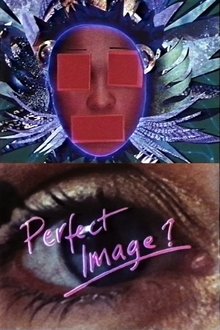
Perfect Image? (1989)
Two actresses take us through a series of 'raps' and sketches about what it means to be beautiful and black.